Keto Macros: The Exact Ratio You Need

CN · Metabolic Health Coach
Keto is the diet that got me into nutrition in the first place, diagnosed insulin resistant at 26, I spent two years deep in the metabolic science, and the macro ratios are where most people get it wrong before they even start. Here's the thing nobody tells you clearly enough: keto has exactly one non-negotiable rule, and it's keeping carbohydrates low enough to stay in ketosis. Protein and fat amounts flex around your personal stats. Get the ratio wrong, too much protein, not enough fat, and you're not doing keto at all. You're just eating a high-fat diet and wondering why the ketone strips won't turn purple.
So let's get the numbers right, with the actual biochemistry behind them.
The Standard Keto Macro Ratio
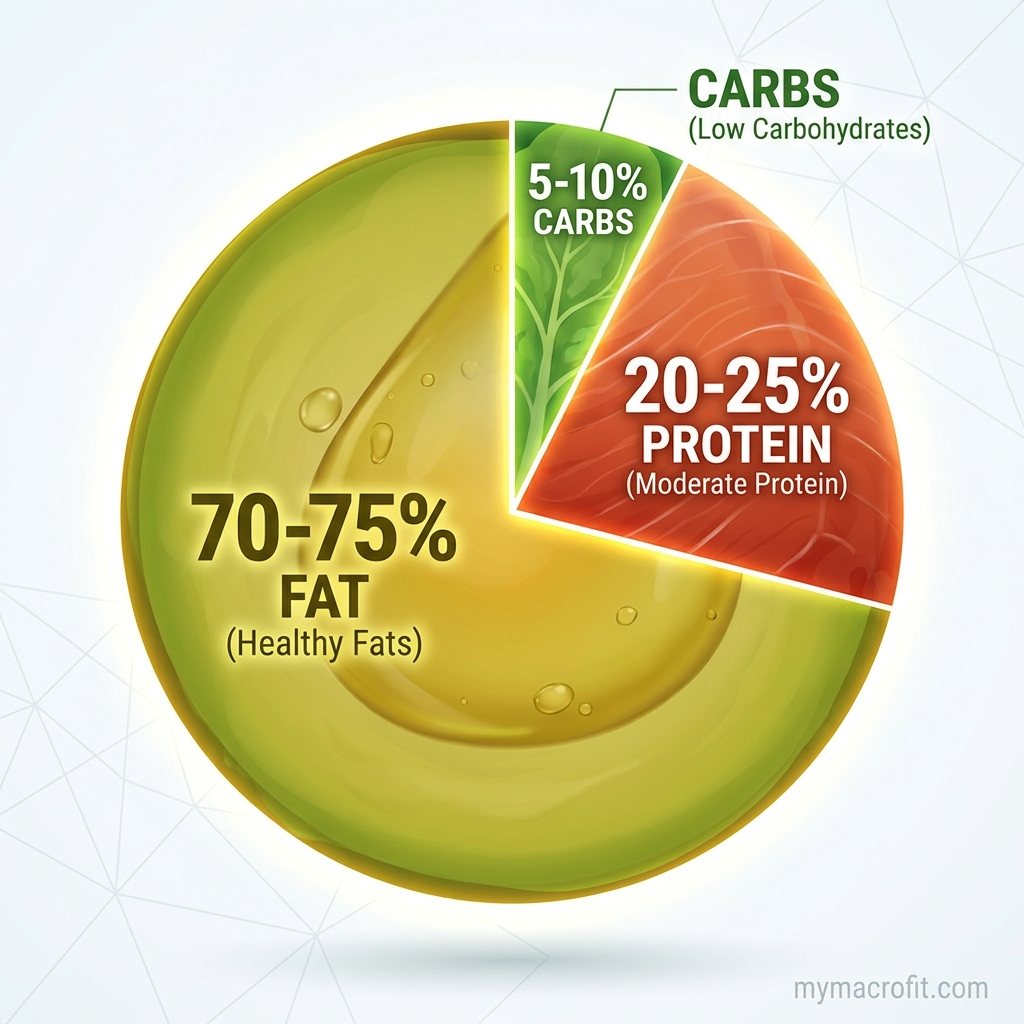
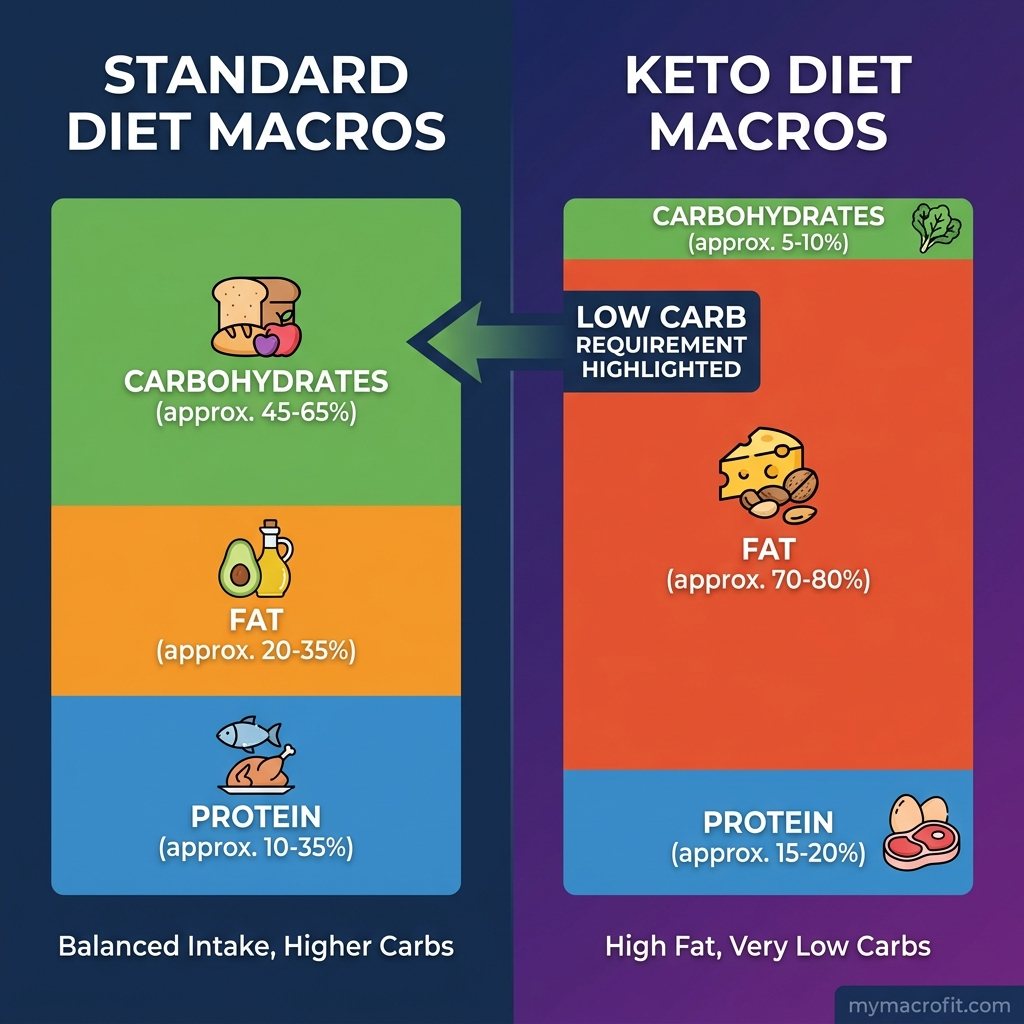
The classic ketogenic macro split is:
- Fat: 70-75% of calories
- Protein: 20-25% of calories
- Carbohydrates: 5% of calories (20-50g net carbs/day)
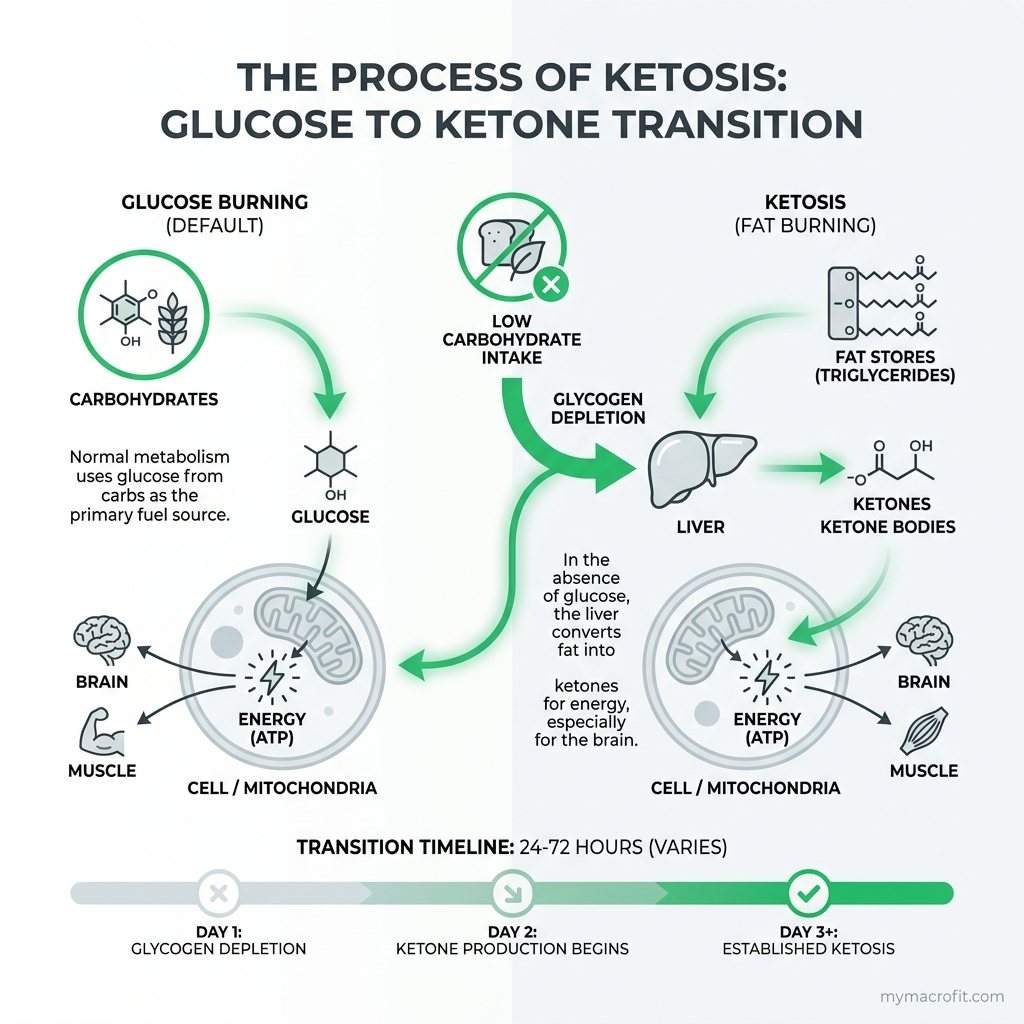
This ratio is designed to deplete glycogen stores and shift your body's primary fuel source from glucose to ketones, compounds produced from fat breakdown in the liver.
Why These Specific Percentages?
Fat at 70-75%
Fat becomes your primary fuel source on keto. At this level, your liver produces enough ketones to fuel your brain (which normally relies on glucose) and power your muscles during low-intensity activity.
Protein at 20-25%
Protein is moderate, not low, but not high. Too little protein causes muscle loss. Too much protein triggers gluconeogenesis, a process where excess amino acids are converted to glucose, potentially disrupting ketosis.
Carbs at 5% (20-50g net)
This is the critical threshold. Most people enter ketosis when net carbs drop below 20-30g/day. Some can tolerate up to 50g. The exact threshold varies by individual, activity level, and insulin sensitivity.
How to Calculate Your Personal Keto Macros
The calculation uses your TDEE as the starting point:
Step 1: Calculate your TDEE Use the TDEE Calculator or calculate manually using the Mifflin-St Jeor equation.
Step 2: Set a calorie target
- Weight loss: TDEE − 500 kcal
- Maintenance: TDEE
- Muscle gain: TDEE + 250 kcal
Step 3: Calculate carb grams Most people aim for a fixed 20-30g net carbs daily (not a percentage). This is more practical than calculating 5% of calories.
Step 4: Set protein A common keto protein target is 1.2-1.7g per kg of body weight. Higher protein is better for people who exercise regularly. Convert to calories: protein grams × 4.
Step 5: Fill remaining calories with fat Remaining calories ÷ 9 = grams of fat
Example Calculation
80kg woman, sedentary, weight loss goal:
- TDEE: ~1,900 kcal → Target: 1,400 kcal
- Carbs: 25g net (100 kcal)
- Protein: 80 × 1.5 = 120g (480 kcal)
- Fat: (1,400 − 100 − 480) ÷ 9 = 91g fat
Final: 120g protein / 25g carbs / 91g fat
Net Carbs vs Total Carbs on Keto
Keto tracks net carbs, not total carbs:
Net Carbs = Total Carbs − Fibre − Sugar Alcohols (erythritol/xylitol only)
Fibre passes through your digestive system without being absorbed as glucose, so it doesn't affect blood sugar or ketosis. Leafy greens, broccoli, and cauliflower have high fibre content, making them keto-friendly despite having total carbs on the label.
Important: Not all sugar alcohols are equal. Erythritol and xylitol are typically counted as zero net carbs. Maltitol, sorbitol, and others still affect blood sugar and should be counted in full.
What to Eat on Keto
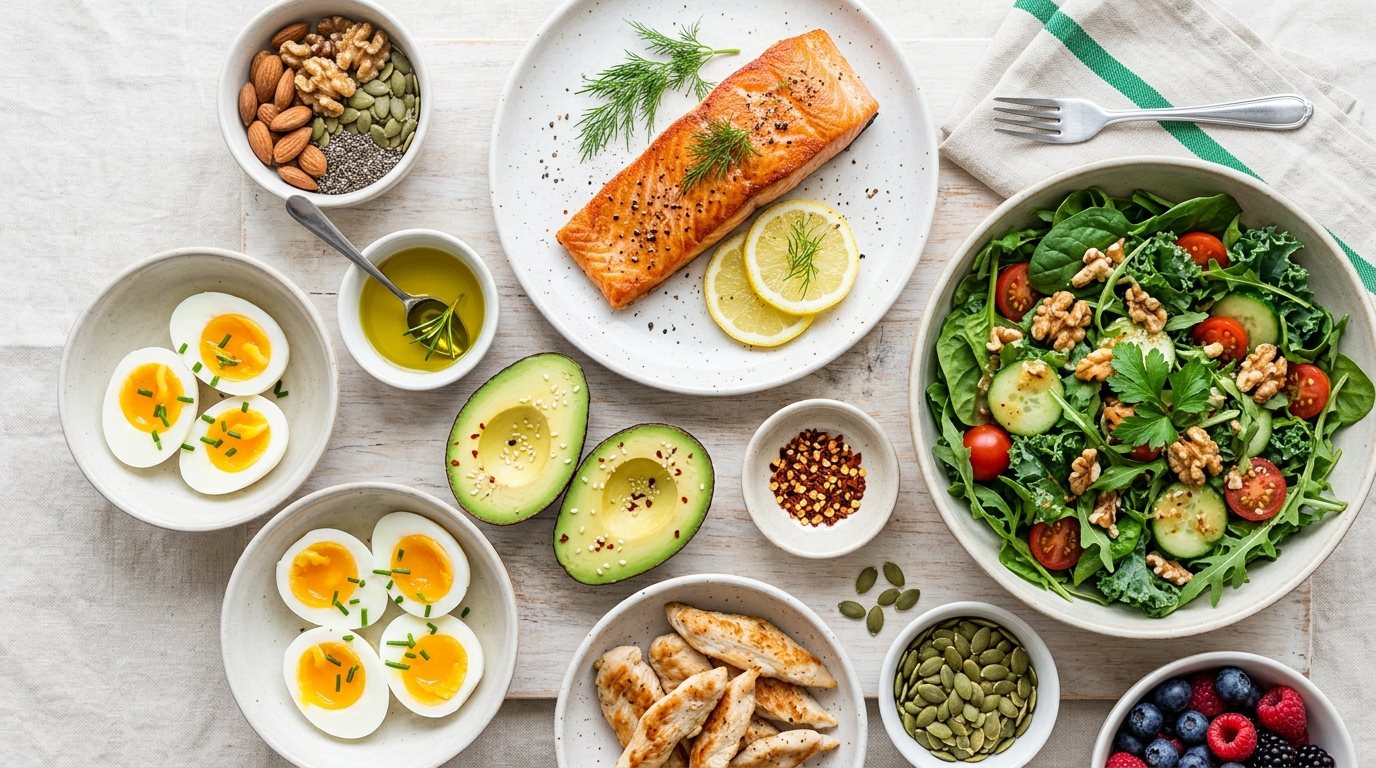
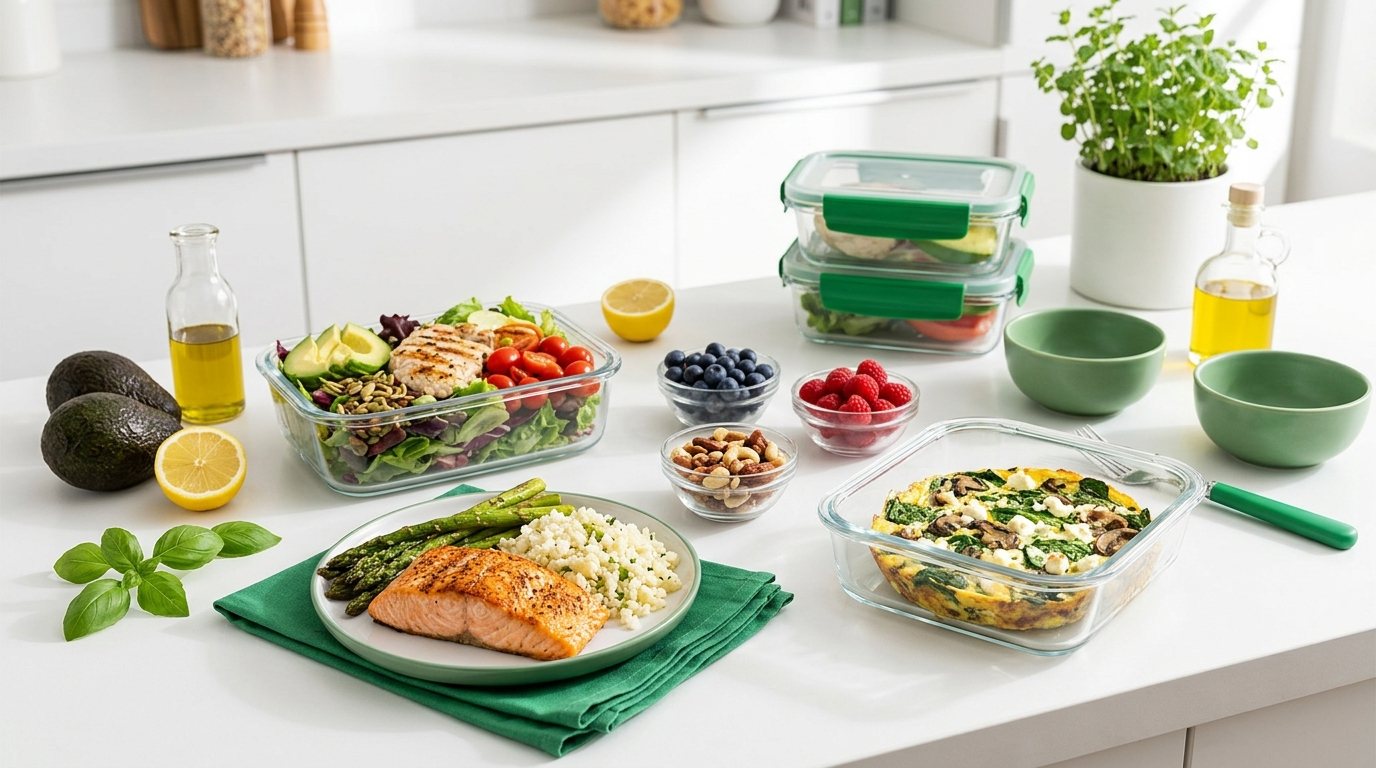
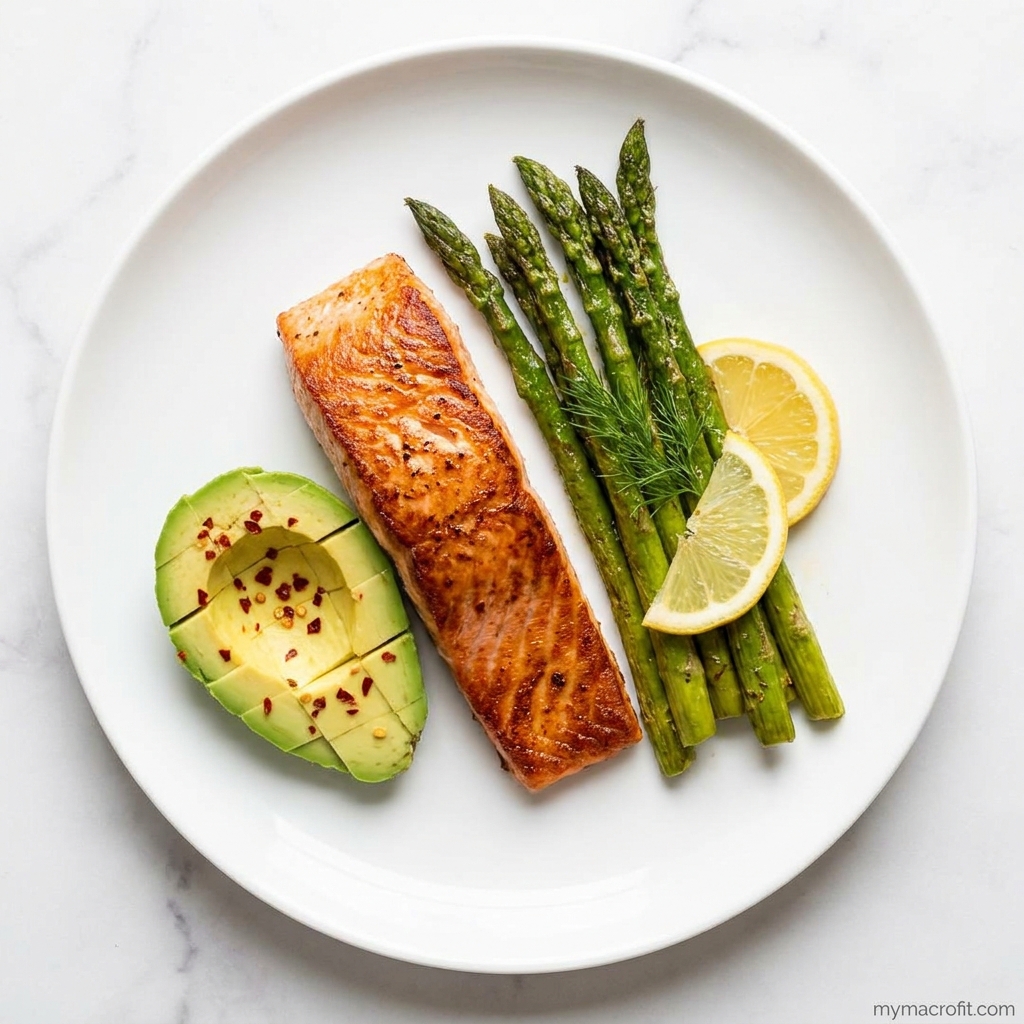
High-fat protein sources: Eggs, fatty fish (salmon, mackerel), beef, lamb, pork, chicken thighs, bacon, full-fat dairy (cheese, Greek yogurt, butter, cream)
Healthy fats: Avocado, olive oil, coconut oil, MCT oil, nuts (macadamia, walnuts, almonds), nut butters (watch portions)
Low-carb vegetables: Spinach, kale, broccoli, cauliflower, courgette, cucumber, bell peppers, asparagus, Brussels sprouts
Foods to eliminate completely: Sugar (all forms), bread, pasta, rice, most fruit, beans, legumes, root vegetables (potato, sweet potato, parsnip), most dairy (milk, yogurt with added sugar)
Foods That Secretly Kick You Out of Ketosis
These are the hidden carb traps that cause people to fail keto without knowing why:
- Sauces and condiments, ketchup, BBQ sauce, sweet chili sauce are loaded with sugar
- "Sugar-free" products, often contain maltitol or other high-GI sugar alcohols
- Nuts, cashews and pistachios are high-carb; limit portion sizes of all nuts
- Processed keto products, protein bars, keto cereals often have more carbs than advertised
- Alcohol, beer is very high-carb; wine and spirits are lower but still disrupt ketosis
- Dairy, milk and regular yogurt contain significant lactose (milk sugar)
Signs You're in Ketosis
After 2-7 days of strict keto macros, most people experience:
- Reduced appetite, ketones suppress hunger hormones more effectively than glucose
- Mental clarity, many people report improved focus once the brain adapts to ketones
- Acetone breath, a fruity or slightly medicinal smell; a direct sign of ketone production
- Increased thirst and urination, glycogen holds water; when glycogen depletes, you excrete it
For confirmation, use urine ketone strips (cheap, good for beginners) or a blood ketone meter (more accurate, shows ketone levels precisely).
The Keto Adaptation Period (Weeks 1-3)
Most people feel rough during the first 1-2 weeks of keto, commonly called the "keto flu":
- Fatigue and low energy
- Headaches
- Brain fog
- Irritability
- Muscle cramps
This isn't actual flu, it's your body transitioning from glucose to fat metabolism, combined with electrolyte loss from increased urination.
How to minimise keto flu:
- Drink 2.5-3.5 litres of water daily
- Supplement sodium (add salt liberally), potassium (avocado, leafy greens), and magnesium (supplements work well)
- Don't restrict calories too aggressively during the first two weeks
After week 3, most people are "fat-adapted", their metabolism efficiently runs on fat and ketones, energy stabilises, and performance returns.
How Often Should You Check Your Keto Macros?
Recalculate your keto macros every 6-8 weeks or whenever:
- Your weight changes by more than 5 kg
- Your activity level changes
- Progress stalls for 3+ weeks
Carb targets stay relatively fixed (20-30g net), but protein and fat amounts scale with your changing body weight.
Keto vs Standard Macro Tracking: Which Is Better?
Neither is universally superior, it depends on adherence:
Keto works well for: People who find reduced appetite makes calorie restriction easier, those with insulin resistance or type 2 diabetes (consult your doctor), and people who enjoy fatty foods.
Standard macro tracking works well for: People who miss carbs and fruit, athletes who need carbohydrates for performance, and those who find keto's food restrictions socially difficult.
The best diet is the one you can maintain for 6+ months. If keto doesn't fit your lifestyle, a standard macro-tracking approach with a moderate deficit will produce the same fat loss results.
Save & share on Pinterest
Click any card to pin it — or share with someone who needs it.
Keto Macros: The Exact Ratio You Need
The complete guide to keto macros, the 70/25/5 split, how to calculate your personal targets, what f…
The complete guide to keto macros, the 70/25/5 split, how to calculate your pers…
Read the full guide: Keto Macros: The Exact Ratio You Need
Try the free Keto Macro Calculator
Keto Macros: The Exact Ratio You Need — use our free calculators for instant personalised results. N…
Pinterest opens in a new tab. You can edit the description before saving.
Ready to get your numbers?
Free calculator, instant results, no signup required.
Frequently Asked Questions
What is the correct macro ratio for keto?+
How many carbs can you eat on keto per day?+
How long does it take to enter ketosis?+
Is keto better than a standard calorie deficit for weight loss?+
About the Author

I'm a certified nutritionist and metabolic health coach. I went deep on keto and metabolism after reversing my own insulin resistance, and I'd rather give you the actual numbers than a hand-wave.
View full profile →