PCOS Diet and Macros: What to Eat to Manage Symptoms and Lose Weight

BSc Kinesiology · CPT
If you have PCOS, you've probably been handed some version of "just lose weight" by someone who clearly had no idea how much harder that advice is to follow with this condition. I've coached enough women with PCOS to find that throwaway line genuinely maddening, because the deck really is stacked differently for you, and pretending otherwise helps no one.
Here's the reality, and the hope inside it. Polycystic ovary syndrome affects roughly 1 in 10 women of reproductive age, making it the most common hormonal disorder in women. Its central feature, insulin resistance, does make weight management harder than it is for women without it. But "harder" is not "hopeless," and this is the part I want you to hold onto: diet is one of the most powerful tools you have, and the right nutritional strategy consistently beats plain calorie-cutting for managing PCOS. This guide covers exactly what to eat, the macros to aim for, which foods to limit, and the supplements that genuinely have evidence behind them.
Understanding PCOS and Insulin Resistance
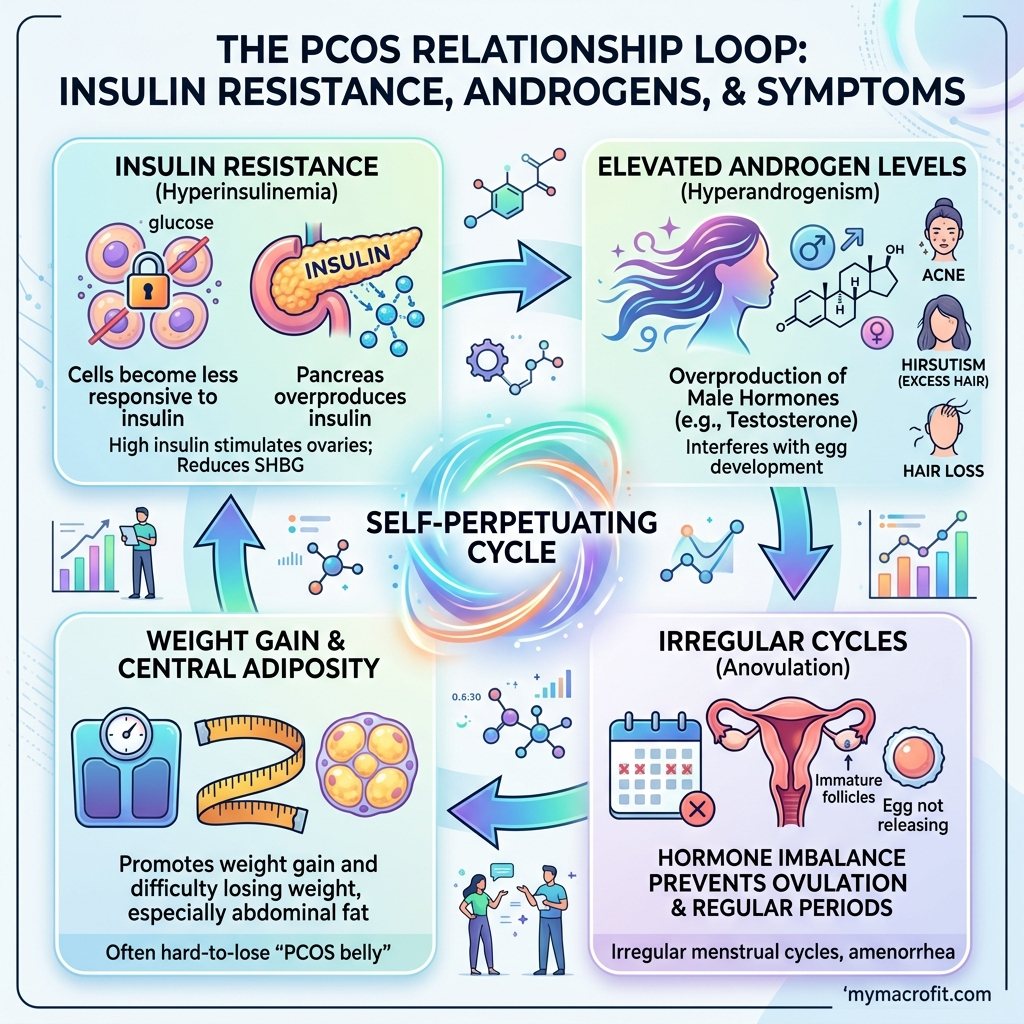
Approximately 70-80% of women with PCOS have some degree of insulin resistance. This means your cells don't respond normally to insulin, so your pancreas produces more of it to compensate. Chronically elevated insulin:
- Stimulates the ovaries to produce more androgens (testosterone), worsening PCOS symptoms
- Promotes fat storage, particularly in the abdominal region
- Makes it harder to lose weight even in a calorie deficit
- Increases hunger and carbohydrate cravings
Managing insulin levels through diet is therefore not just about weight, it directly addresses the hormonal root of PCOS.
The PCOS Dietary Framework
Prioritise Low-GI Carbohydrates
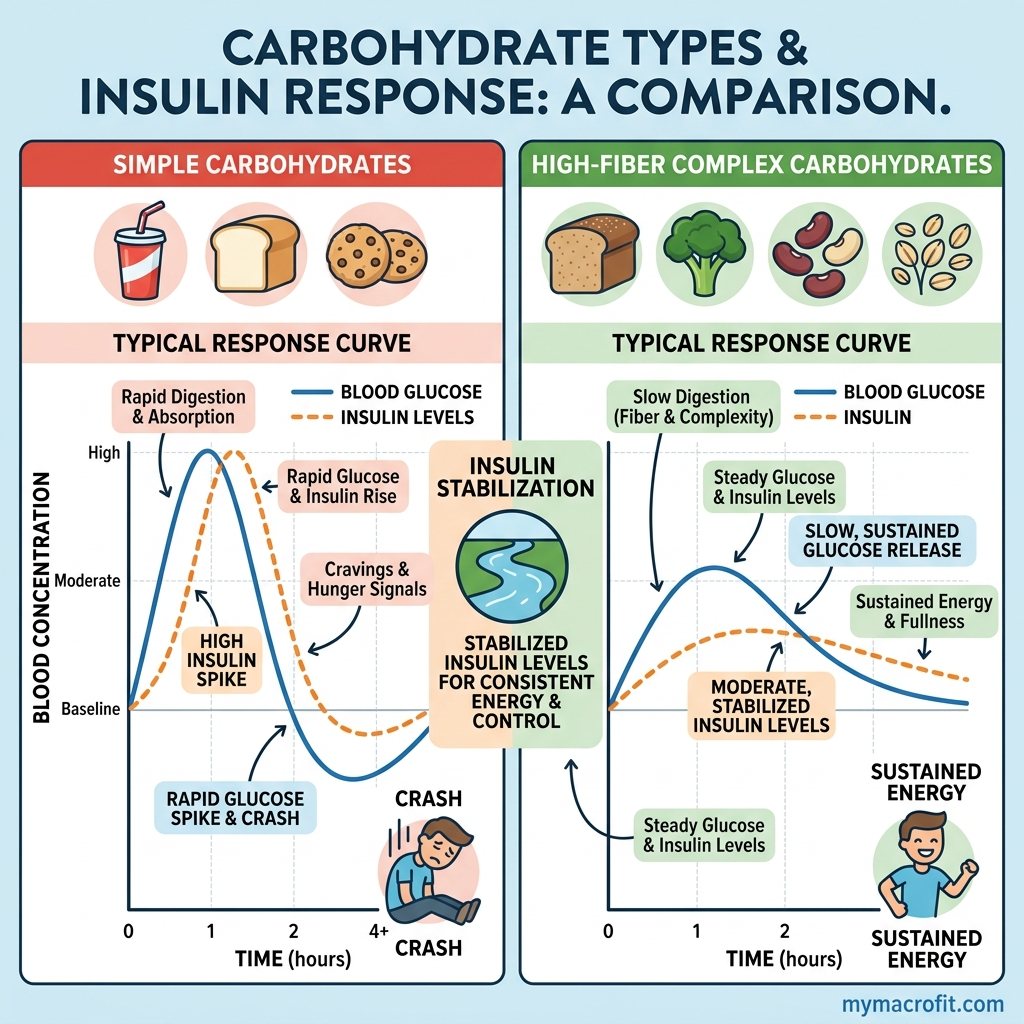
The glycaemic index (GI) measures how quickly a food raises blood sugar. High-GI foods cause rapid blood sugar spikes, which trigger large insulin releases. For women with PCOS, these spikes worsen insulin resistance and drive androgen production.
Low-GI carbohydrates to prioritise:
- Oats, lentils, chickpeas, kidney beans
- Sweet potato, barley, quinoa
- Non-starchy vegetables (virtually all have a low GI)
- Berries, apples, pears, stone fruits
- Wholegrain bread and pasta (in moderation)
High-GI foods to limit:
- White bread, white rice, regular pasta
- Processed breakfast cereals
- Fruit juice, fizzy drinks, sports drinks
- Baked goods, pastries, sweets
- Potato crisps and refined snack foods
This doesn't mean eliminating carbohydrates, it means switching to forms that produce a gentler insulin response.
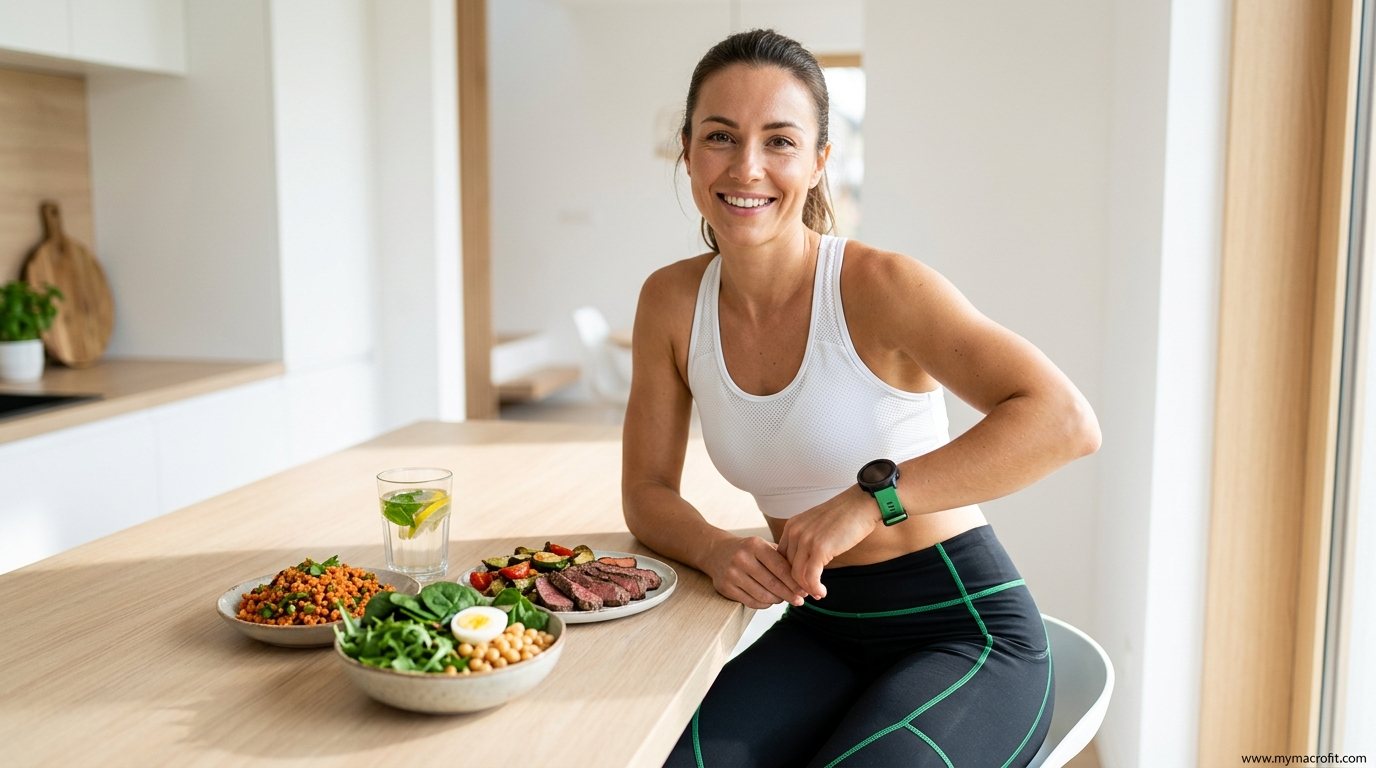
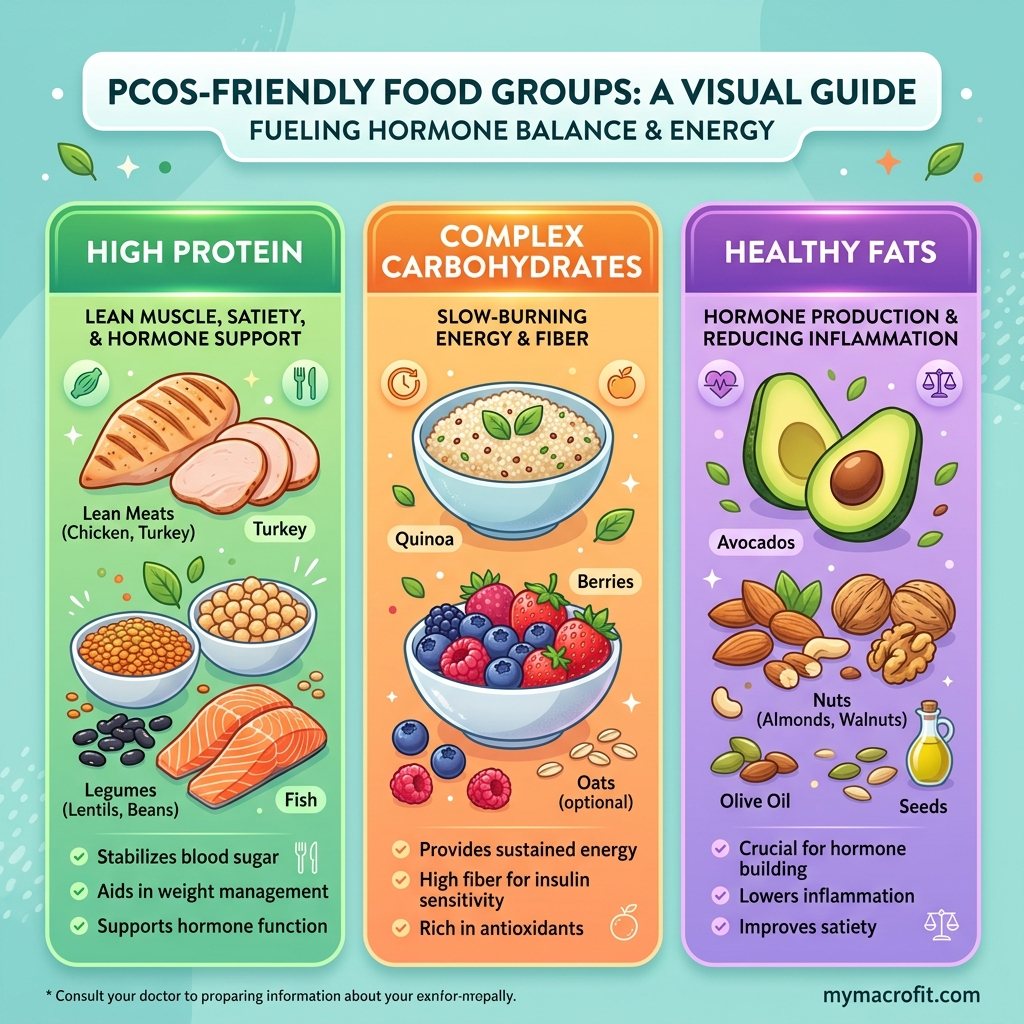
Set Protein at 30%+ of Calories
Higher protein intakes improve insulin sensitivity, reduce hunger, preserve muscle mass, and stabilise blood sugar between meals. Research suggests that women with PCOS benefit from a protein intake at the higher end of recommendations.
Target: 1.8-2.2g per kg body weight, aiming for protein to make up around 30% of total calories.
Best protein sources for PCOS:
- Chicken breast, turkey, lean beef
- Oily fish (salmon, mackerel, sardines, also provide anti-inflammatory omega-3s)
- Eggs and egg whites
- Non-fat Greek yogurt, skyr, cottage cheese
- Lentils, chickpeas, tofu, tempeh
Including a protein source at every meal also slows the absorption of any carbohydrates in that meal, further reducing blood sugar response.
Don't Fear Healthy Fats
Healthy fats do not raise insulin and play a critical role in hormone production. For women with PCOS, adequate fat intake supports reproductive hormones and reduces chronic inflammation.
Include these fats:
- Extra virgin olive oil
- Avocado
- Oily fish (omega-3 fatty acids)
- Nuts and seeds (walnuts, chia seeds, flaxseeds, hemp seeds)
Limit these fats:
- Trans fats (partially hydrogenated oils in processed foods)
- Refined vegetable oils in excess (sunflower, corn oil)
- Saturated fat from processed meats
Manage Calorie Intake Without Extreme Restriction
Women with PCOS should absolutely not resort to extreme calorie restriction. Very low calorie diets stress the body and further dysregulate cortisol and reproductive hormones. A moderate deficit of 300-500 calories below TDEE, combined with the dietary quality changes above, produces better results than aggressive restriction.
Suggested PCOS Macros
For a 65kg woman with PCOS targeting fat loss:
| Macro | Target | Example Grams |
|---|---|---|
| Protein | 30, 35% of calories | 120, 140g |
| Carbohydrates | 35, 40% (low-GI sources) | 150, 175g |
| Fat | 25, 30% | 50, 65g |
| Total calories | TDEE minus 300, 400 | ~1500, 1700 kcal |
These are starting points, use our Macro Calculator for a personalised breakdown.
Foods to Eat More Of
| Category | PCOS-Friendly Choices |
|---|---|
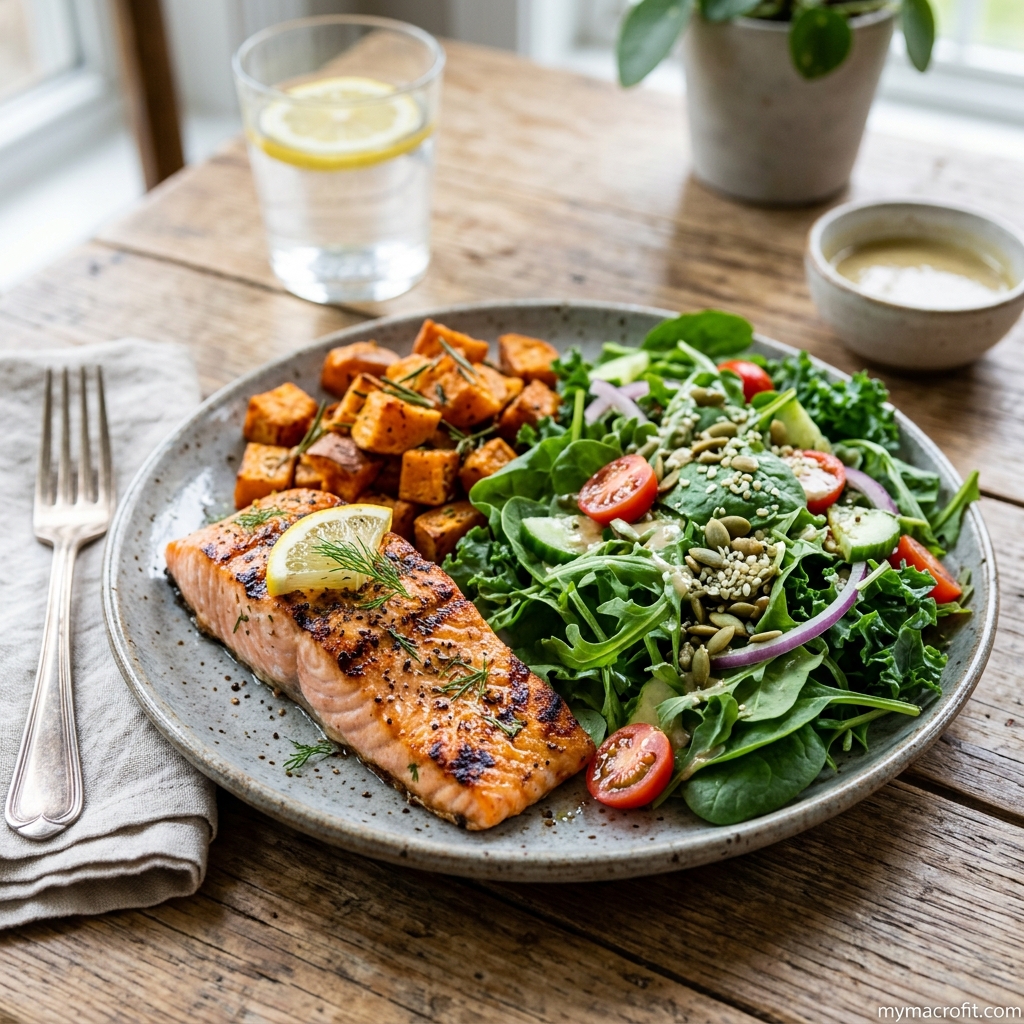
| Protein | Chicken, salmon, eggs, Greek yogurt, lentils, tofu |
| Low-GI carbs | Oats, sweet potato, quinoa, legumes, berries |
| Anti-inflammatory | Turmeric, ginger, leafy greens, berries, olive oil |
| Fibre | Flaxseed, chia seeds, broccoli, beans, oats |
| Healthy fats | Avocado, walnuts, oily fish, olive oil |
Foods to Limit or Avoid
| Category | Reason |
|---|---|
| Refined carbohydrates | Cause insulin spikes, worsen androgen excess |
| Sugary drinks and juices | Extremely high glycaemic load |
| Processed meats | Inflammatory, linked to worsened insulin resistance |
| Alcohol | Disrupts liver function, impairs hormone processing |
| Dairy (for some women) | May increase androgens in PCOS, individual response varies |
Note on dairy: the evidence on dairy and PCOS is mixed. Some women find that reducing dairy improves acne and other androgen-driven symptoms. Others have no response. It's worth trialling elimination for 4-6 weeks to assess your personal response.
PCOS-Friendly Meal Swaps
| Instead of... | Try this... |
|---|---|
| White toast with jam | Wholegrain toast with eggs and avocado |
| Sweetened cereal | Oats with berries and protein powder |
| White rice | Quinoa or cauliflower rice |
| Fruit juice | Whole fruit + water |
| Non-fat yogurt with added sugar | Non-fat Greek yogurt with cinnamon |
| Pasta in white sauce | Courgette noodles with tomato and turkey mince |
| Biscuit/snack bar | Hard boiled egg and vegetable sticks |
Supplements with Evidence for PCOS
Several supplements have genuine research support for improving insulin sensitivity and PCOS symptoms:
Inositol (Myo-Inositol and D-Chiro-Inositol)
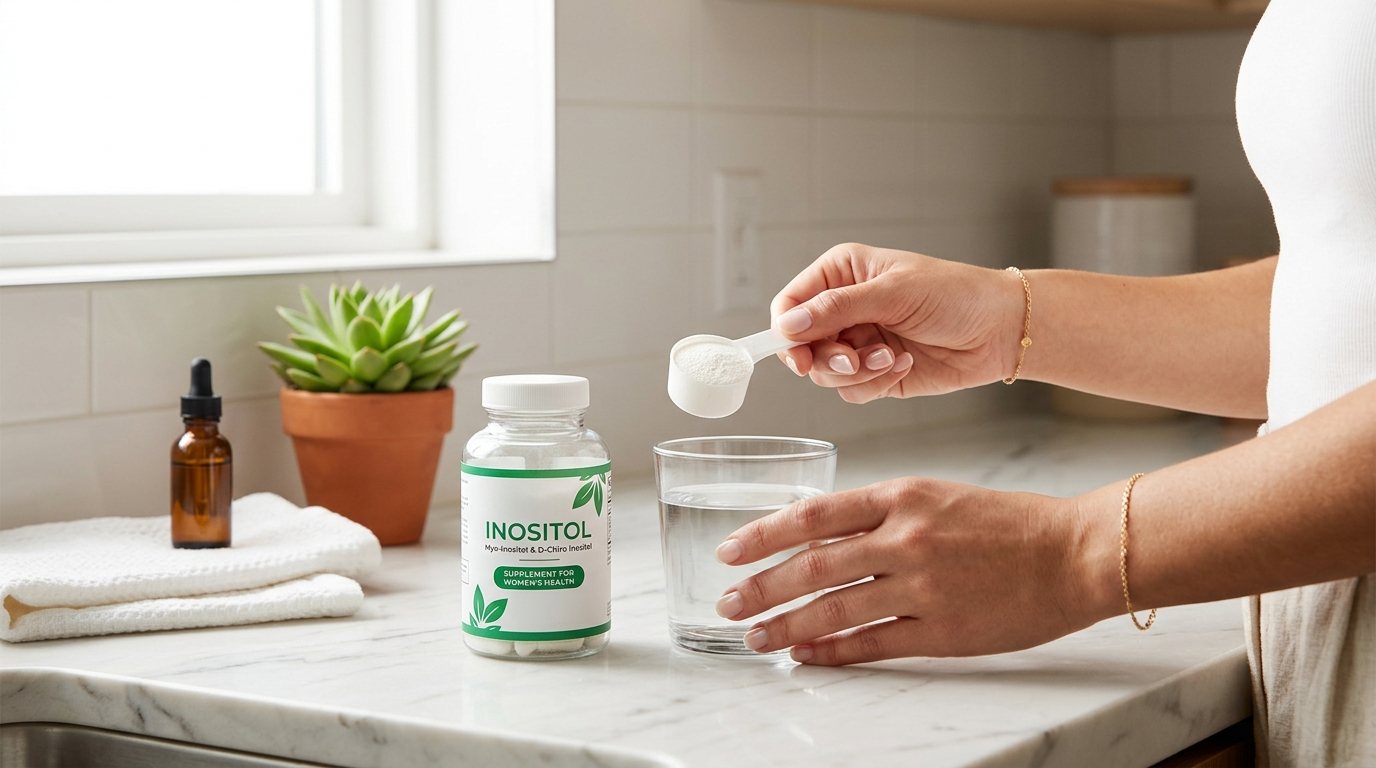
The best-evidenced supplement for PCOS. Inositol improves insulin signalling and has been shown to improve menstrual regularity, reduce androgens, and support ovulation. The most researched ratio is 40:1 myo-inositol to D-chiro-inositol.
Berberine
A plant compound that activates the AMPK pathway in a manner similar to metformin. Clinical trials show improvements in insulin resistance, androgen levels, and menstrual regularity in PCOS. Speak to your doctor before combining with any medications.
Magnesium
Many women with PCOS are deficient in magnesium, which plays a role in insulin signalling. Supplementing 200-400mg daily may improve insulin sensitivity.
Vitamin D
Low vitamin D is extremely common in PCOS and associated with worse insulin resistance. Blood test first, supplement if deficient.
Omega-3 Fatty Acids
EPA and DHA from fish oil reduce inflammation and have shown improvements in menstrual regularity and triglycerides in women with PCOS. 2-3g daily is a reasonable starting dose.
The Role of Exercise in PCOS Management
Diet is the primary lever, but exercise, specifically resistance training, is powerfully complementary. Muscle tissue is the largest consumer of glucose in the body. Building more muscle through strength training directly improves insulin sensitivity.
Aim for:
- 3x per week resistance training (progressive overload)
- 2-3x per week moderate cardio (walking, cycling, swimming)
- Avoid excessive high-intensity cardio, which can raise cortisol and worsen hormonal disruption in PCOS
The Bottom Line
PCOS makes weight management harder, but it doesn't make it impossible. The dietary strategy that consistently works is: lower-GI carbohydrates, high protein, adequate healthy fat, a moderate calorie deficit, and targeted supplements. This addresses insulin resistance at the root rather than just restricting calories from the top.
The dietary changes outlined here are not a PCOS cure, but they are among the most effective evidence-based tools available for managing symptoms and supporting fat loss. Combined with appropriate exercise and, where necessary, medical treatment, they can make a significant difference.
Sources
- Inositol in polycystic ovary syndrome, Unfer et al., Nutrients, 2017
- Dietary interventions for PCOS: a systematic review, Barrea et al., Nutrients, 2019
- PCOS: British Dietetic Association guidance, BDA, 2023
Save & share on Pinterest
Click any card to pin it — or share with someone who needs it.
PCOS Diet and Macros: What to Eat to Manage Symptoms and Lose Weight
How to structure your diet and macros for PCOS, covering insulin resistance, low-GI carbs, protein t…
How to structure your diet and macros for PCOS, covering insulin resistance, low…
Read the full guide: PCOS Diet and Macros: What to Eat to Manage Symptoms and Lose Weight
Free fitness tools
PCOS Diet and Macros: What to Eat to Manage Symptoms and Lose Weight — use our free calculators for …
Pinterest opens in a new tab. You can edit the description before saving.
Frequently Asked Questions
What is the best diet for PCOS weight loss?+
Does dairy make PCOS worse?+
Is intermittent fasting good for PCOS?+
What supplements actually help with PCOS?+
About the Author

I'm a kinesiologist and personal trainer. I've spent eight years helping women lose fat and get stronger without handing their whole life over to a diet.
View full profile →