Postpartum Weight Loss: A Realistic Timeline and What Actually Helps

RHC · Pre/Postnatal Fitness Specialist
First, something important: losing weight after having a baby is not a race. Your body grew and delivered a human. The timeline looks different for everyone, and the factors at play, hormones, sleep deprivation, breastfeeding, recovery, are unlike anything a standard diet plan is designed to account for.
This guide gives you an honest, evidence-based picture of what to expect, what actually helps, and how to approach it gently and sustainably.
What to Expect: The Realistic Postpartum Weight Loss Timeline
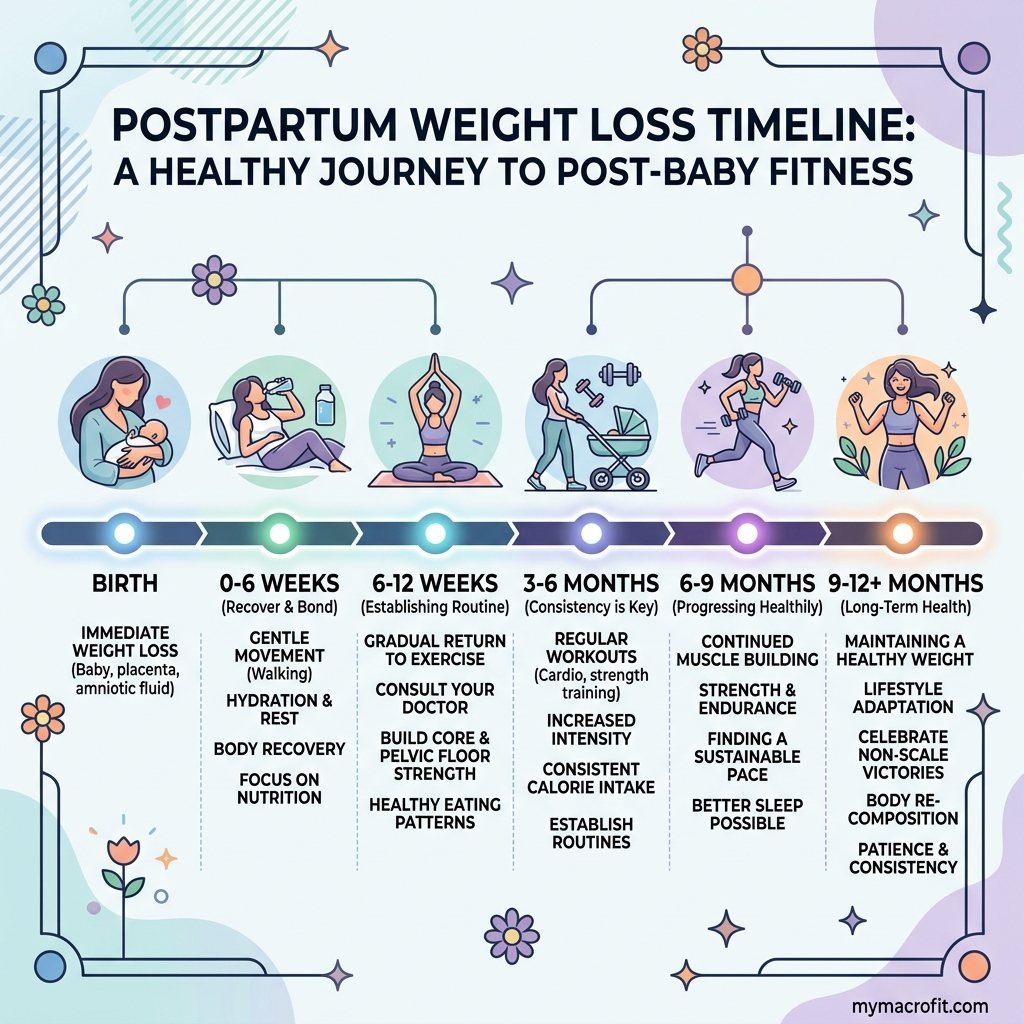
Most women lose a significant amount immediately after delivery, typically 5-6kg from the baby, placenta, and amniotic fluid. Over the following weeks, additional fluid and blood volume reduction brings total immediate postpartum weight loss to roughly 8-10kg for most women.
What remains after that is a combination of fat gained during pregnancy (which the body stores intentionally to support recovery and breastfeeding) and some additional retained water.
A realistic timeline looks like this:
| Timeframe | What Typically Happens |
|---|---|
| Immediately post-birth | 5, 6kg lost (baby, placenta, fluid) |
| Weeks 1, 6 | Additional fluid loss, uterus returns to normal size |
| Months 2, 6 | Gradual fat loss begins if nutrition is appropriate |
| Months 6, 12 | Most women reach near-prepregnancy weight (though not always) |
| 12, 18 months | Full body recomposition possible with consistent effort |
Most research suggests that 6, 12 months is a healthy, realistic window for returning to or near your prepregnancy weight. Many women compare themselves to celebrities who appear to "snap back" in weeks, but this is misleading, often achieved through extremes that are neither healthy nor representative.
Why Weight Loss Is Different After Having a Baby
Hormonal Changes
In the immediate postpartum period, oestrogen and progesterone drop dramatically after being elevated for nine months. This hormonal shift affects mood, metabolism, fluid retention, and body composition in ways that make weight loss slower and less predictable than it would be outside of pregnancy.
Prolactin, the hormone that stimulates milk production, remains elevated during breastfeeding and may affect fat storage, particularly around the hips and thighs.
Sleep Deprivation Changes Everything
Sleep deprivation is one of the most significant and underappreciated factors in postpartum weight management. Poor sleep:
- Increases ghrelin (hunger hormone) by up to 28%
- Decreases leptin (satiety hormone) significantly
- Elevates cortisol, which promotes fat storage
- Reduces motivation and decision-making capacity
- Impairs insulin sensitivity
If you're waking multiple times per night (which virtually every new parent is), your hunger and cravings will be higher, your willpower lower, and your metabolism less efficient. This is not a personal failing, it's biology.
The single most useful advice for postpartum nutrition in the early months is this: focus on eating enough nutritious food rather than restricting calories. Your body needs fuel to recover, care for a newborn, and, if breastfeeding, produce milk.
The Body Holds Onto Fat During Breastfeeding
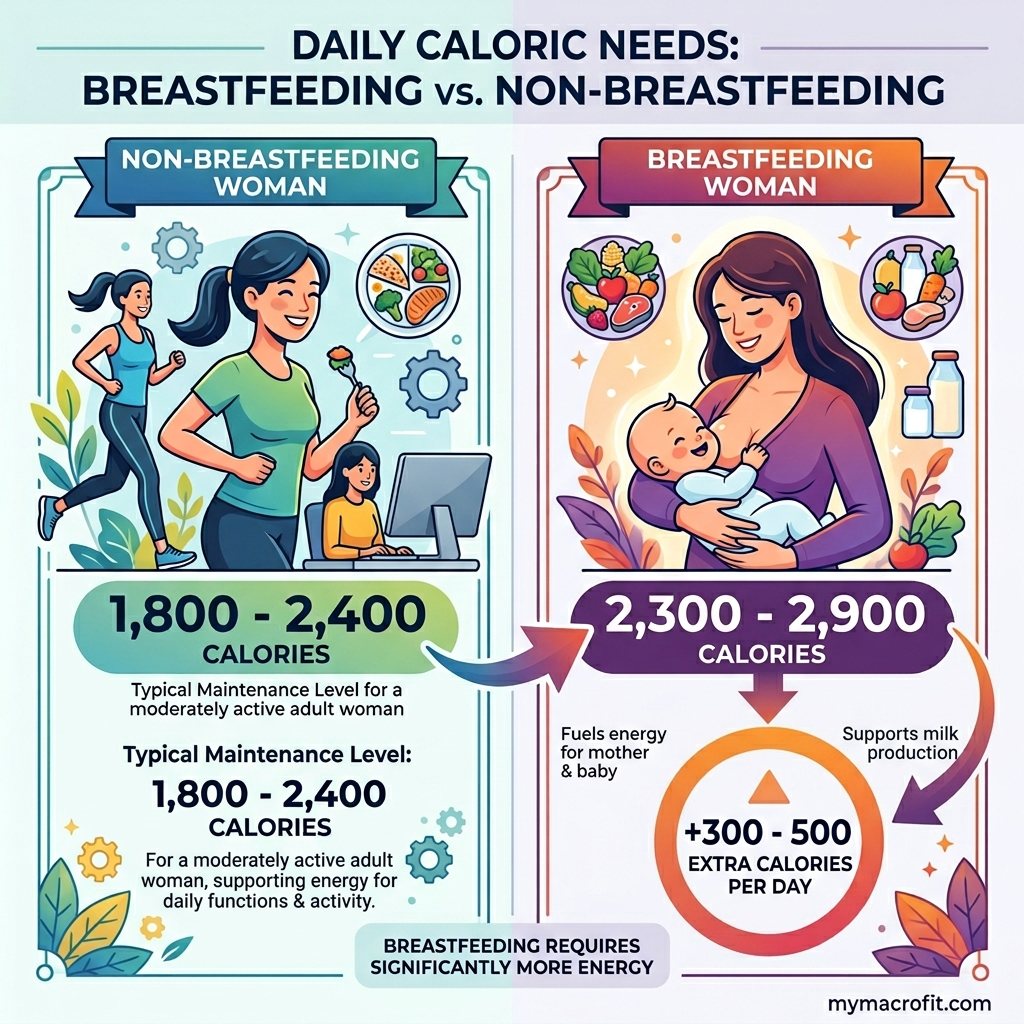
Breastfeeding burns approximately 400-500 extra calories per day, which sounds like a strong fat loss driver. In reality, many women find that weight loss stalls while exclusively breastfeeding because the body prioritises maintaining milk supply, it upregulates hunger significantly and often stores some fat as a buffer.
This is normal and protective. Most women find that weight loss accelerates once breastfeeding frequency reduces or stops.
Nutrition Guidance for the Postpartum Period
If You're Breastfeeding
Do not create a significant calorie deficit while exclusively breastfeeding in the first 6 months. Most lactation specialists and health bodies recommend eating at or only slightly below maintenance.
Minimum recommended calorie intake while breastfeeding: 1800-2200 kcal/day depending on body size.
Prioritise nutrient density over calorie restriction. What you eat matters for milk quality and your own recovery:
- Protein: 1.5-2g per kg body weight
- Calcium: Dairy, fortified plant milks, leafy greens, sardines
- Omega-3s: Oily fish 2x per week, walnuts, flaxseeds
- Iron: Red meat, lentils, spinach with vitamin C
- Hydration: Breastfeeding increases fluid needs significantly, aim for 2.5-3L per day
If You're Not Breastfeeding
A modest calorie deficit (300-400 kcal below TDEE) can begin gently once you've been medically cleared by your doctor or midwife, typically 6-8 weeks postpartum for uncomplicated vaginal deliveries, 8-12 weeks after caesarean.
Crash dieting, very low calorie approaches, or extreme exercise programmes in the early postpartum period are not appropriate. Your body is still recovering and your hormones are still normalising.
What to Eat
Focus on foods that are nutrient-dense, convenient to prepare, and filling:
| Food Group | Best Choices |
|---|---|
| Protein | Greek yogurt, eggs, chicken, salmon, lentils, cottage cheese |
| Carbohydrates | Oats, sweet potato, wholegrain bread, fruit, brown rice |
| Vegetables | Whatever you can easily add to meals, frozen veg is perfect |
| Fats | Avocado, olive oil, nuts, oily fish |
| Snacks | Boiled eggs, fruit and nut mix, cheese and oatcakes, Greek yogurt |
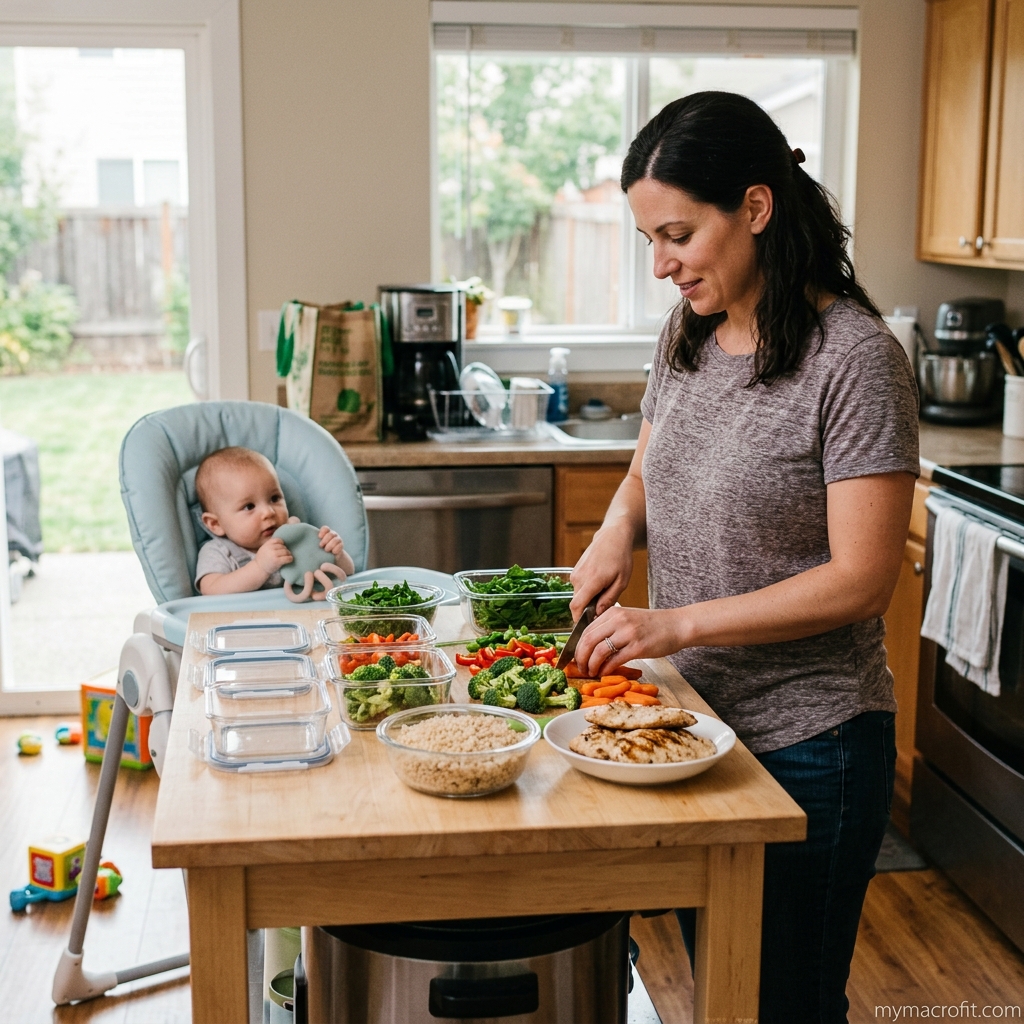
Batch-cook when you have a rare spare hour. Stock easy-assemble options. Prioritise protein and vegetables. Don't make it complicated.
Exercise After Giving Birth
Return to exercise gradually and with medical guidance. General framework:
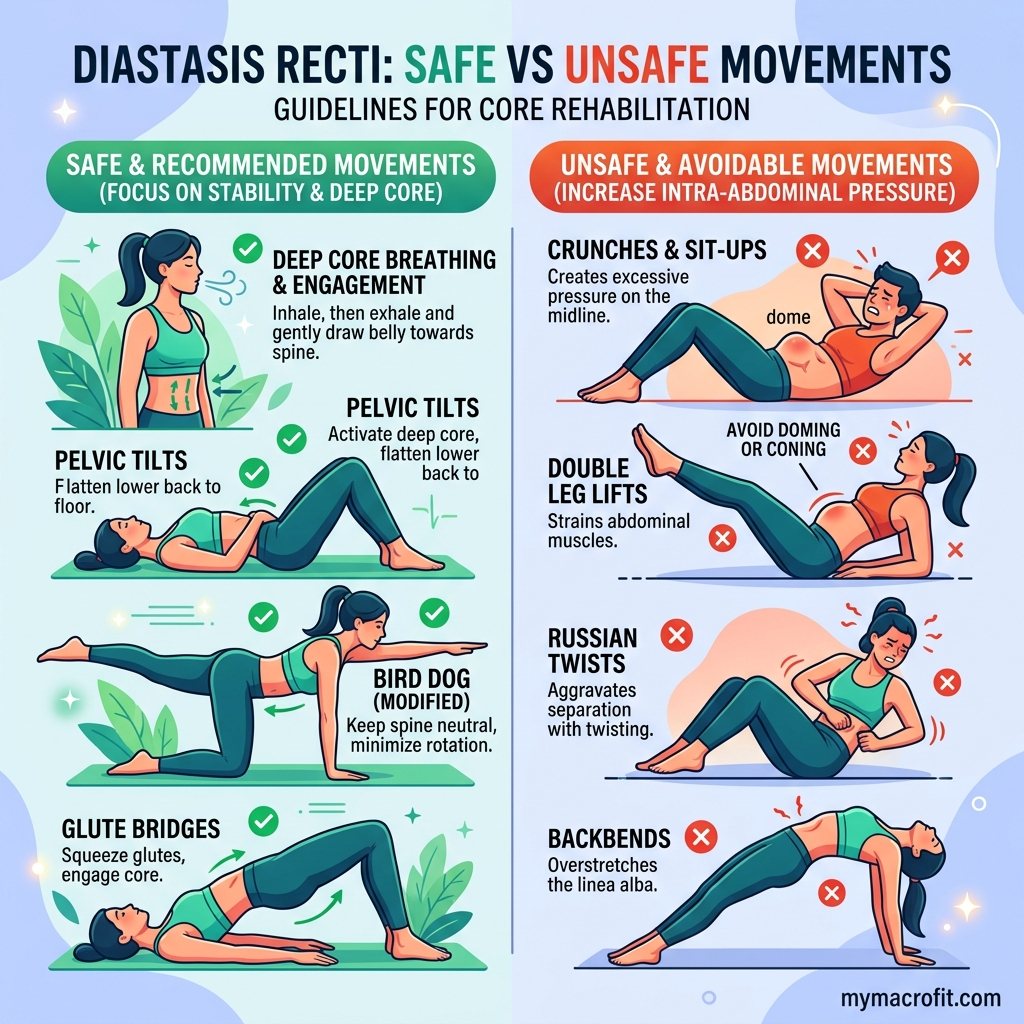
- Weeks 1-6: Gentle walking only. Avoid any exercise that increases intra-abdominal pressure until cleared by a physio or doctor.
- 6-8 weeks: Begin light movement, short walks, gentle stretching
- 3-6 months: Introduce strength training with guidance, starting with bodyweight movements and gradually adding load
- 6+ months: Resume pre-pregnancy exercise with cleared pelvic floor function
A postnatal physiotherapist assessment is worthwhile for all women, not just those who had difficult births. Pelvic floor dysfunction is common, often silent, and worsens with inappropriate exercise.
Setting Realistic Expectations
Three things are worth saying plainly:
-
Your body may look different than before pregnancy, even at the same weight. Body composition, skin, and where fat is stored can all change after pregnancy. This is normal.
-
Comparing yourself to influencers or celebrities is not useful. They have personal trainers, private chefs, nannies, and often medical interventions. Their timeline is not your timeline.
-
Gentle, consistent effort over 12-18 months produces better long-term results than aggressive restriction in the first 12 weeks. The women who sustain their postpartum weight loss are almost always the ones who took a patient, sustainable approach.
A Gentle Starting Framework (Once Cleared to Diet)
Once you're past 8 weeks postpartum, cleared by your doctor, and ready to make intentional changes:
- Use the Macro Calculator to calculate a gentle 300-calorie deficit
- Set protein at a minimum of 120g per day
- Fill meals with vegetables, lean protein, and complex carbohydrates
- Stay hydrated
- Prioritise sleep above all else when possible
- Add walks before adding structured exercise
- Check in after 4 weeks and adjust if needed
The Bottom Line
Postpartum weight loss is real, achievable, and worth working toward, but it works on a different timeline and with different rules than standard fat loss. Prioritise recovery and nutrition over restriction in the early months. Set realistic expectations. Be consistent without being extreme.
Your body did something remarkable. Give it the time and nourishment it needs to come back to itself.
Sources
- Keeping fit and healthy with a baby, NHS.
- Healthy weight, Centers for Disease Control and Prevention (CDC).
- Breastfeeding and diet, NHS.
Save & share on Pinterest
Click any card to pin it — or share with someone who needs it.
Postpartum Weight Loss: A Realistic Timeline and What Actually Helps
A realistic guide to postpartum weight loss, covering the actual timeline, why it's different after …
A realistic guide to postpartum weight loss, covering the actual timeline, why i…
Read the full guide: Postpartum Weight Loss: A Realistic Timeline and What Actually Helps
Free fitness tools
Postpartum Weight Loss: A Realistic Timeline and What Actually Helps — use our free calculators for …
Pinterest opens in a new tab. You can edit the description before saving.
Frequently Asked Questions
How long does it take to lose baby weight after pregnancy?+
Is it safe to diet while breastfeeding?+
Why is it hard to lose weight after having a baby?+
When can I start exercising after giving birth?+
About the Author

I'm a registered health coach and pre/postnatal specialist. I look at the whole person, your sleep, your stress, your hormones, because the number on the scale is only ever part of the story.
View full profile →