The Best Diet for Hormonal Balance in Women

BSc Kinesiology · CPT
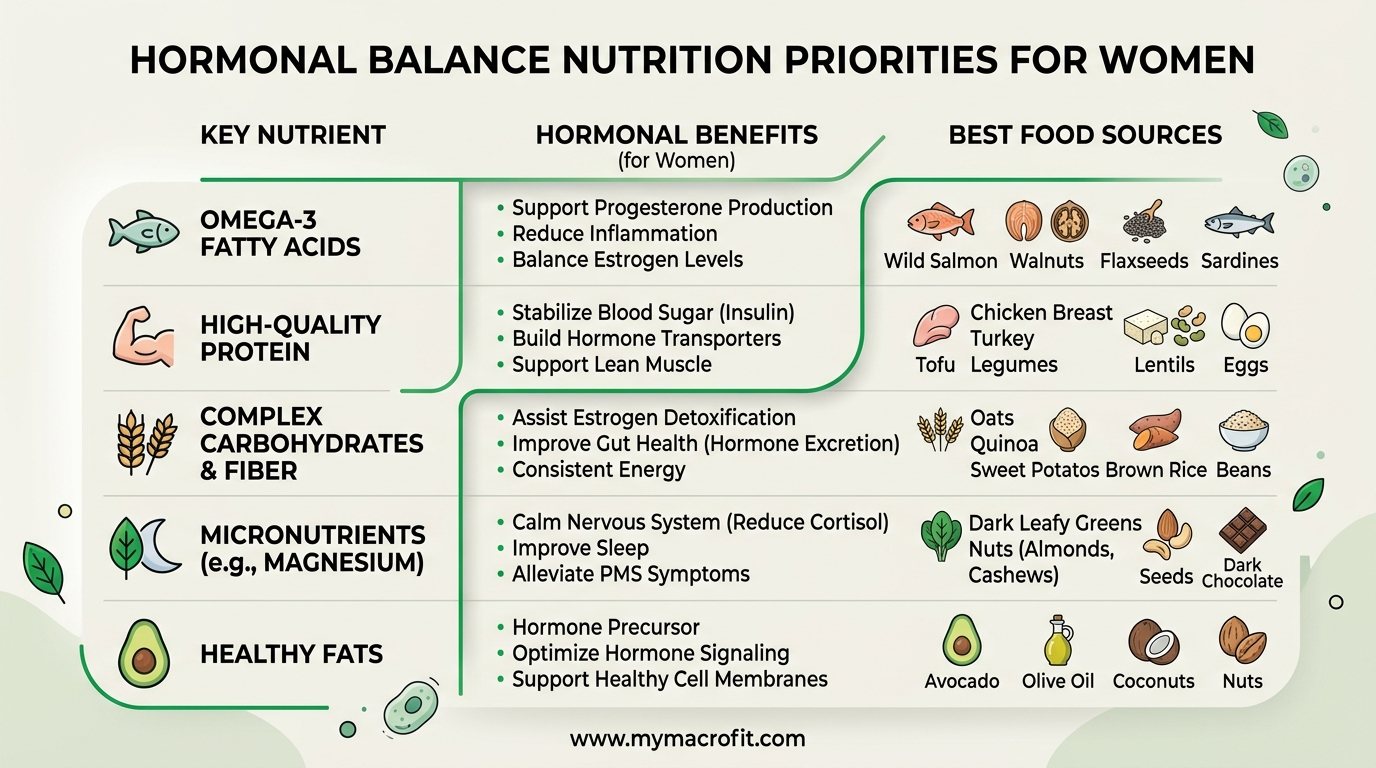
Hormonal balance isn't achieved by a single superfood or a restrictive protocol, it's an ecosystem supported by consistent nutrition that provides the raw materials for hormone synthesis, supports the metabolic pathways that regulate hormones, and reduces the inflammatory and insulin-disrupting signals that impair hormonal signalling.
Here's the dietary framework that the evidence supports.
The Foundation: Mediterranean-Style Eating
The dietary pattern with the strongest overall evidence for female hormonal health across multiple life stages is Mediterranean-style eating. It's not a rigid diet, it's a pattern defined by:
- Abundant vegetables (8+ servings/day) and fruit (2-3/day)
- Whole grains as the primary carbohydrate source
- Legumes 3-4 times/week (lentils, chickpeas, black beans)
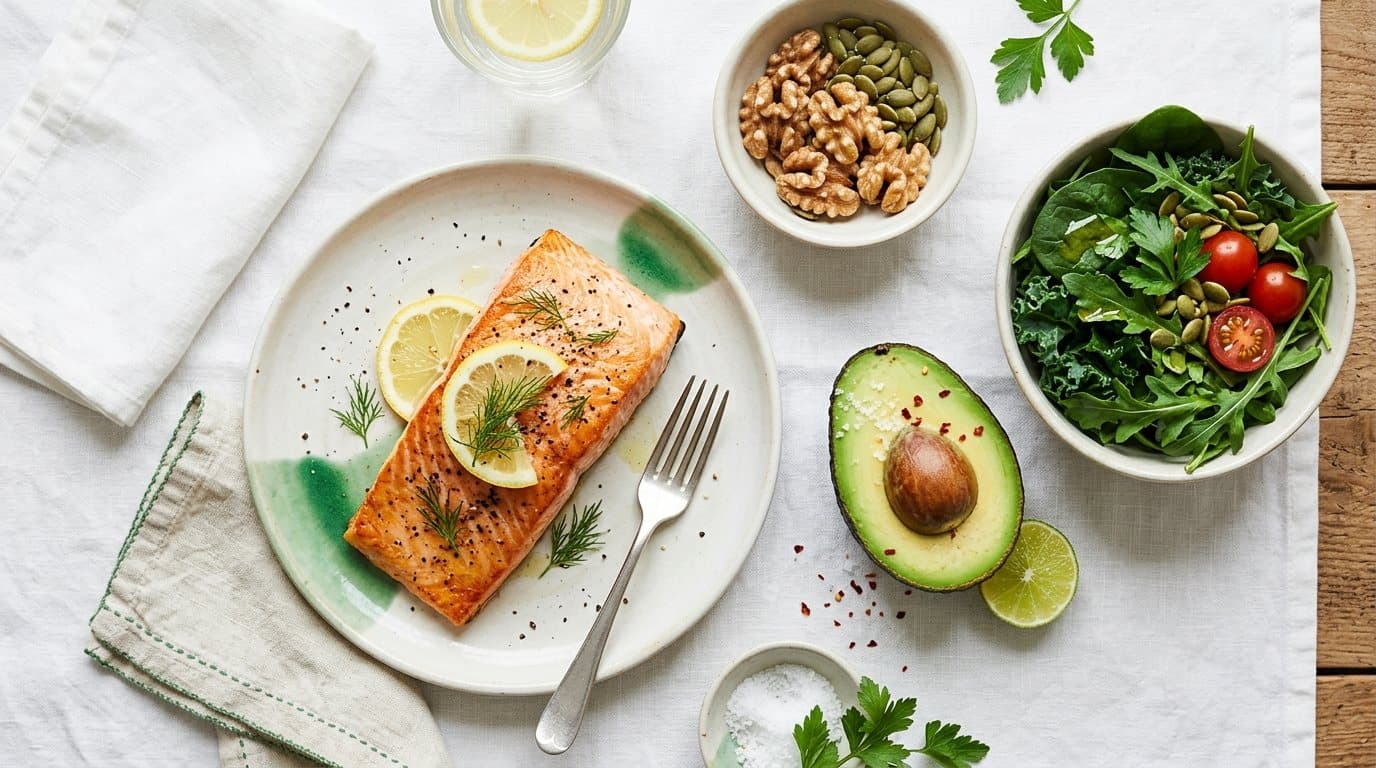
- Fatty fish 2-3 times/week (salmon, mackerel, sardines)
- Olive oil as primary cooking fat
- Nuts and seeds daily
- Moderate dairy (Greek yogurt, cheese)
- Limited red and processed meat
- Very limited refined carbohydrates, added sugar, and processed food
- Moderate red wine (optional, though for hormonal health, reduced alcohol is generally preferable)
This pattern consistently shows improvements in insulin sensitivity, inflammatory markers, cardiovascular risk, and gut microbiome diversity, all of which influence hormonal regulation.
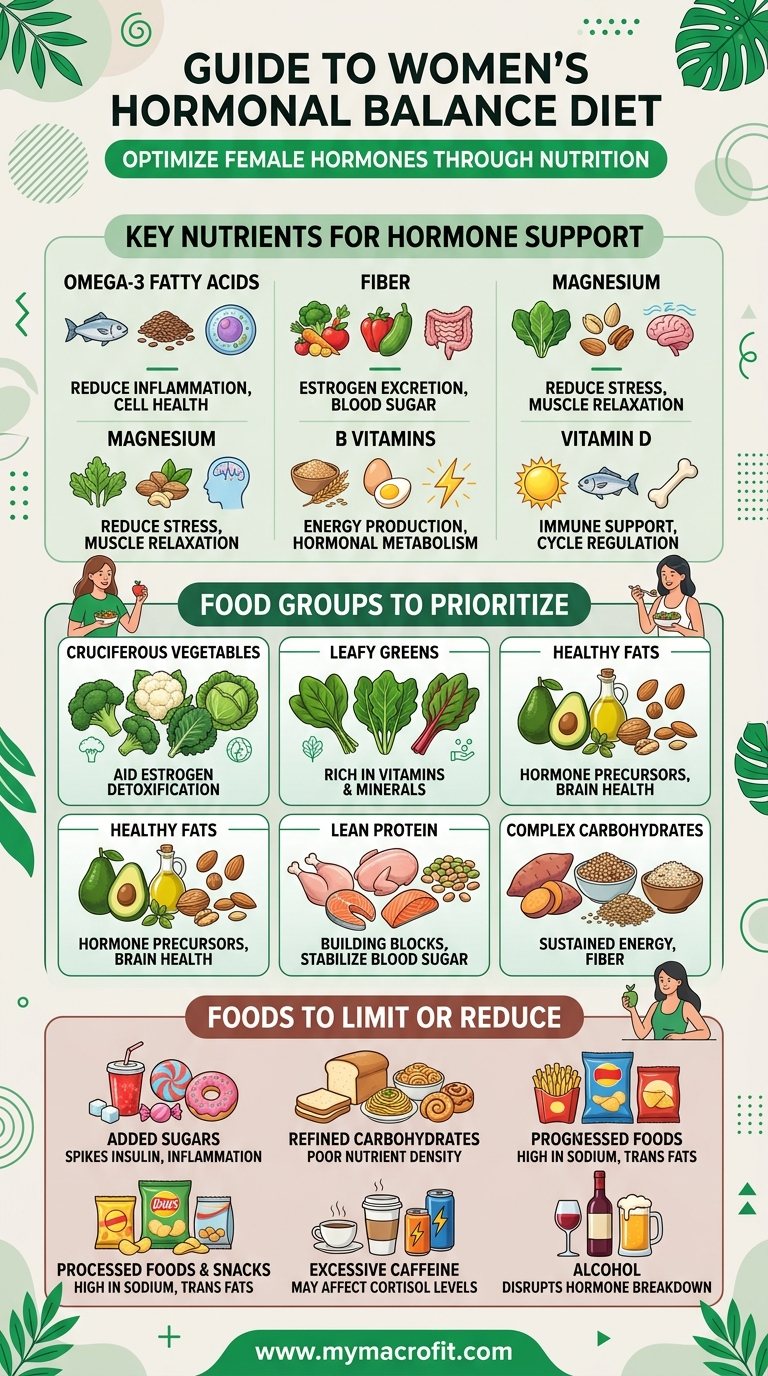
Key Nutrients for Female Hormone Health
Zinc
Zinc is required for the synthesis of multiple sex hormones, including progesterone and testosterone. Zinc deficiency is associated with irregular cycles and reduced progesterone production.
Best sources: Pumpkin seeds (7mg/30g), beef (5-7mg/100g), chickpeas (2.5mg/100g), cashews (1.6mg/30g), Greek yogurt.
Importance in the cycle: Zinc requirements are slightly elevated in the luteal phase, supporting progesterone synthesis after ovulation.
Magnesium
Magnesium plays a role in over 300 enzymatic reactions, including those involved in cortisol regulation, thyroid hormone conversion, and insulin signalling.
For hormonal balance: Magnesium reduces cortisol reactivity, supports thyroid function (T4 to T3 conversion), improves insulin sensitivity, and reduces PMS symptoms when adequate.
Best sources: Dark leafy greens, legumes, nuts, seeds, dark chocolate. Supplementation (magnesium glycinate 200-400mg) is useful if dietary intake is consistently insufficient.
B Vitamins (Particularly B6, B12, Folate)
B vitamins are essential for oestrogen metabolism through liver pathways. B6 specifically supports progesterone production and is associated with reduced PMS symptoms in clinical trials.
Best sources: Meat, fish, eggs, dairy, legumes, leafy greens. Those on combined oral contraceptives may have increased B6 and B12 requirements (the pill is known to deplete certain B vitamins).
Vitamin D
Acts as a hormone precursor, vitamin D receptors are present throughout the endocrine system. Low vitamin D is associated with insulin resistance, PCOS, thyroid disorders, and reduced progesterone levels.
UK prevalence of vitamin D deficiency is high (particularly October-March). Supplementation of 10-25 mcg/day is appropriate for most UK adults.
Iodine and Selenium (Thyroid Support)
Thyroid hormone synthesis requires iodine; T4 to T3 conversion (the active form) requires selenium.
Iodine sources: Seafood, dairy, eggs, iodised salt. Vegetarian and vegan women may need attention to iodine intake.
Selenium sources: Brazil nuts (1-2 per day provides RDA), tuna, sardines, turkey.
Omega-3 Fatty Acids (EPA + DHA)
Anti-inflammatory fatty acids that support prostaglandin balance (relevant to menstrual pain and cycle regularity), reduce cortisol, improve insulin sensitivity, and support thyroid function.
Sources: Fatty fish (salmon, mackerel, sardines, 2-3 portions/week), or fish oil supplement 1-2g EPA+DHA/day.
Foods to Prioritise
Cruciferous Vegetables
Broccoli, cauliflower, kale, Brussels sprouts, cabbage contain indole-3-carbinol (I3C) and DIM, compounds that support oestrogen metabolism through the liver, promoting healthier oestrogen breakdown products. Include daily.
Flaxseed (Ground)
Flaxseed contains lignans that support oestrogen balance, acting as weak phytoestrogens that may modulate oestrogen receptor activity. Also provides omega-3 ALA and soluble fibre. 1-2 tbsp ground flaxseed daily is an easy addition to yogurt, porridge, or smoothies.
Legumes
High fibre content supports gut-mediated oestrogen clearance (excess oestrogen is excreted through the gut bound to fibre). Legumes also provide zinc, magnesium, B vitamins, and slow-release carbohydrates that support insulin sensitivity.
Fermented Foods
Gut bacteria play a role in oestrogen metabolism, the "estrobolome" refers to the gut microbiome's function in regulating circulating oestrogen. A diverse, healthy microbiome is associated with better oestrogen balance.
Include: Kefir, yogurt, kimchi, sauerkraut, kombucha (low sugar), tempeh.
Colour Variety in Vegetables and Fruits
Polyphenols, the pigments in colourful plants, have anti-inflammatory and antioxidant effects that support hormonal signalling throughout the body. "Eat the rainbow" isn't just generic advice; it reflects real nutritional diversity that the endocrine system depends on.
Foods to Reduce
Refined carbohydrates and added sugar: Raise blood glucose rapidly, drive insulin spikes, and contribute to insulin resistance, the most common hormonal disruption affecting modern women.
Alcohol: Impairs liver oestrogen metabolism, disrupts sleep (reducing growth hormone and worsening cortisol), and adds empty calories.
Excessive caffeine: Over 300-400mg/day elevates cortisol and can disrupt sleep, though moderate caffeine (1-2 cups of coffee) has neutral or positive metabolic effects for most people.
Ultra-processed foods: Associated with gut microbiome disruption, inflammation, and impaired hormonal signalling across multiple pathways.
A Sample Hormonal Balance Meal Day
Breakfast: Porridge with 1 tbsp ground flaxseed, blueberries, and a dollop of Greek yogurt = slow carbs, phytoestrogens, antioxidants, protein
Lunch: Large salad with mixed leaves, roasted broccoli, chickpeas, avocado, pumpkin seeds, olive oil and lemon dressing = fibre, DIM, zinc, healthy fat
Snack: Handful of almonds + 1 Brazil nut (selenium) + berries
Dinner: Grilled salmon with roasted sweet potato, wilted kale, and tahini drizzle = omega-3, DIM, iodine, B vitamins
Use our Macro Calculator to balance this pattern with your specific protein and calorie targets.
The Bottom Line
The best diet for female hormonal balance isn't a specific protocol, it's a consistent eating pattern rich in vegetables, whole grains, quality protein, healthy fats, and fermented foods, while limiting ultra-processed food, refined sugar, and excess alcohol.
This Mediterranean-style foundation provides the micronutrients required for hormone synthesis, supports the metabolic pathways that regulate hormonal balance, and reduces the insulin and inflammatory disruption that impairs hormonal signalling.
Save & share on Pinterest
Click any card to pin it — or share with someone who needs it.
The Best Diet for Hormonal Balance in Women
An evidence-based dietary guide for supporting female hormonal balance, the foods, nutrients, and ea…
An evidence-based dietary guide for supporting female hormonal balance, the food…
Read the full guide: The Best Diet for Hormonal Balance in Women
Try the free Macro Calculator
The Best Diet for Hormonal Balance in Women — use our free calculators for instant personalised resu…
Pinterest opens in a new tab. You can edit the description before saving.
Ready to get your numbers?
Free calculator, instant results, no signup required.
Frequently Asked Questions
What foods should I eat for hormonal balance?+
Do certain foods worsen hormonal imbalance?+
Does seed cycling work for hormonal balance?+
Can diet alone fix a hormonal imbalance?+
When should I see a doctor about hormonal symptoms instead of changing my diet?+
About the Author

I'm a kinesiologist and personal trainer. I've spent eight years helping women lose fat and get stronger without handing their whole life over to a diet.
View full profile →