Keto & Intermittent Fasting, Made Simple
Two of the most effective tools for fat loss and metabolic health, in one place. Dial in your keto macros, find your ideal fasting window, follow a proven meal plan, and learn the science that actually matters.
Step 1, Get Your Numbers
Keto & Fasting Calculators
Keto Macro Calculator
Set the right 70/25/5 fat-protein-carb split for ketosis.
Intermittent Fasting
Calculate your optimal fasting and eating windows.
Macro Calculator
Determine your exact daily protein, carbs & fat targets.
TDEE Calculator
Find out precisely how many calories your body burns each day.
Calorie Deficit Calculator
Set the right deficit to lose fat while keeping your muscle.
BMR Calculator
Discover your baseline calorie burn before any activity.
Step 2, Free Resources
Get the Free Keto Starter Guide
Your keto macro split, what to eat, and how to combine it with fasting, straight to your inbox.
Step 3, Follow a Proven Plan
Done-For-You Guides
Keto and Intermittent Fasting: The Complete Beginner’s Guide
Why keto and fasting work so well together
People tend to treat keto and intermittent fasting as rival diets, two camps you have to pick between. In practice they are doing the same job from two different angles, and they stack neatly on top of each other.
Keto lowers carbohydrate far enough that your body stops relying on a constant drip of glucose and switches to burning fat for fuel, producing ketones in the process. Intermittent fasting simply shortens the window in which you eat, so there are long stretches each day where insulin is low and your body is free to tap into its own fat stores. Low-carb eating makes fasting far easier, because steady blood sugar means you are not riding the hunger spikes that make skipping a meal feel impossible. And fasting deepens the metabolic shift that keto starts. That is why so many people who plateau on one find the other is the missing piece.
You do not have to run both at full intensity. Plenty of people do a relaxed 14 or 16 hour fast alongside a moderate low-carb approach and get most of the benefit with very little friction.
Why Keto and Fasting Stack So Well
Keto
- ·Carbs under 20–30g/day
- ·Insulin stays low all day
- ·Body switches to burning fat
Fasting
- ·Eating window of 6–10 hours
- ·Long stretches with no insulin spikes
- ·Body taps stored fat between meals
Both keep insulin low so your body burns fat.
Getting your keto macros right
Keto has exactly one rule you cannot bend: keep carbohydrate low enough to stay in ketosis. For most people that means under about 20 to 30 grams of net carbs a day. Everything else, the protein and the fat, flexes around your own bodyweight and goal.
The classic split lands near 70 percent of calories from fat, 25 percent from protein and 5 percent from carbs. Where beginners go wrong is overdoing protein and underdoing fat, which quietly stalls ketosis. Use the Keto Macro Calculator to get your exact grams rather than guessing, then weigh your food for the first couple of weeks so your eye learns what those numbers actually look like on a plate.
Expect a rough patch in the first week, often called the keto flu. It is almost always down to losing water and electrolytes as carbs drop, not a sign that keto is wrong for you. Which brings us to the single most overlooked part of low-carb eating.
Electrolytes: the part everyone forgets
When you cut carbs, your body holds less water and flushes out sodium, potassium and magnesium with it. That mineral drop is what causes most of the headaches, fatigue and cramps people blame on keto itself. Replace those minerals and the keto flu largely disappears.
A practical daily target on keto is roughly 4 to 5 grams of sodium, 3 to 4 grams of potassium and 300 to 400 milligrams of magnesium. Salt your food generously, lean on potassium-rich whole foods like avocado and leafy greens, and consider a sugar-free electrolyte mix, especially on fasting days when you are not eating to top yourself up.
Electrolytes on Keto
Daily targets that make the keto flu disappear
Sodium
Salt food generously, broth, electrolyte mix
Potassium
Avocado, leafy greens, salmon
Magnesium
Nuts, seeds, dark chocolate, supplement
Choosing a fasting schedule that fits your life
The best fasting schedule is the one you barely notice. Most people start with 16:8, sixteen hours fasting and an eight hour eating window, usually by skipping breakfast and eating from around midday to 8pm. Because most of the fast happens while you sleep, the actual effort is only a few hours each morning, which black coffee or tea comfortably covers.
- 14:10 is the gentlest entry point and a sensible default for many women, who tend to be more sensitive to aggressive fasting.
- 16:8 is the popular sweet spot of results versus convenience.
- 18:6 or OMAD push the fast longer for experienced fasters who want more, but they are not necessary to see results.
Set your window with the Intermittent Fasting Calculator, and remember that consistency beats intensity. A 16 hour fast you keep every day will always outperform a 20 hour fast you abandon by Wednesday.
One important note for women: if your cycle becomes irregular, sleep worsens, or your energy tanks, ease off the fasting length. That is your body asking for a gentler approach, and there is no prize for ignoring it.
What to actually eat
Keto is not an excuse to live on bacon and cheese. Build your meals around protein and non-starchy vegetables first, then add fat to taste: eggs, salmon, chicken thighs, olive oil, avocado, nuts, and plenty of leafy greens and cruciferous veg for fibre and micronutrients. Keep an eye on hidden carbs in sauces, dressings and "low-carb" packaged foods.
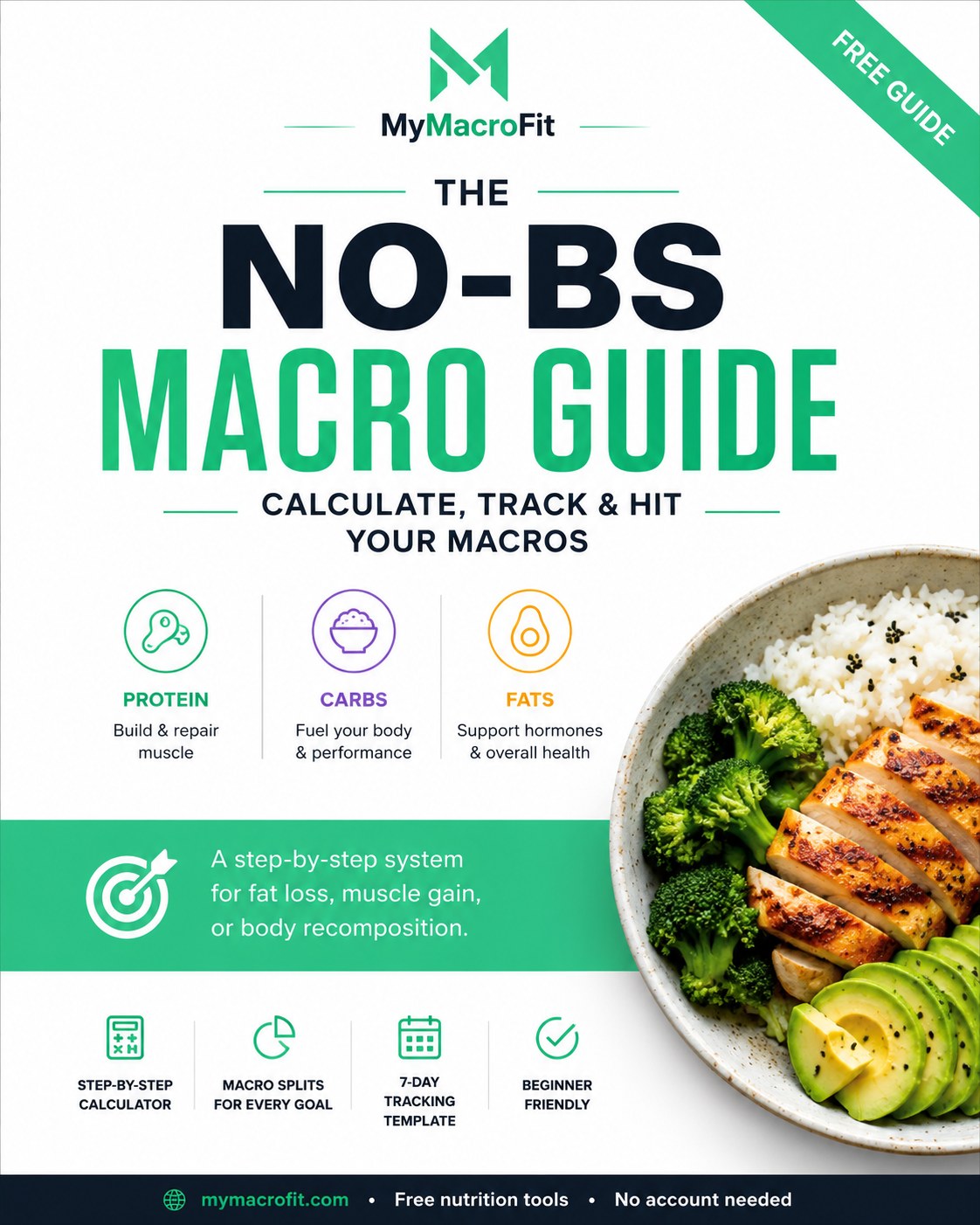
If you want a done-for-you starting point, the free No-BS Macro Guide takes the daily what-do-I-eat decision off your plate. And if you are brand new to all of this, start with the calculators above, get your numbers, then read the guides below before you change a single meal.
Learn the Science
Keto & Fasting Guides
Keto Macros: The Exact Ratio You Need
The complete guide to keto macros, the 70/25/5 split, how to calculate your personal targets, what foods fit, and the mistakes that kick you out of ketosis.
Intermittent Fasting 16/8: The Complete Guide
Everything you need to know about the 16/8 intermittent fasting protocol, how it works, the real benefits, how to start, and how to avoid the common mistakes.
Intermittent Fasting for Women: What You Need to Know Before Starting
What women need to know before starting intermittent fasting, covering hormonal impact, who should avoid IF, best protocols for women, and cycle-syncing your eating window.
How to Eat in a Calorie Deficit Without Being Hungry All the Time
How to stay in a calorie deficit without constant hunger, using volume eating, high-satiety foods, protein, fibre, and meal timing strategies that actually work.
How to Calculate Your Macros for Weight Loss
A beginner-friendly guide to understanding and calculating your daily macros for effective weight loss, including exact protein, carb, and fat targets.
What Are Macros and How Do I Track Them
The complete beginner's guide to macronutrients, what protein, carbs, and fat do, how to track them, and which apps make it easy.
Save & Share
Pin These for Later


Ready to Start?
Get your numbers, grab the free guide, and follow the science, everything you need is right here.