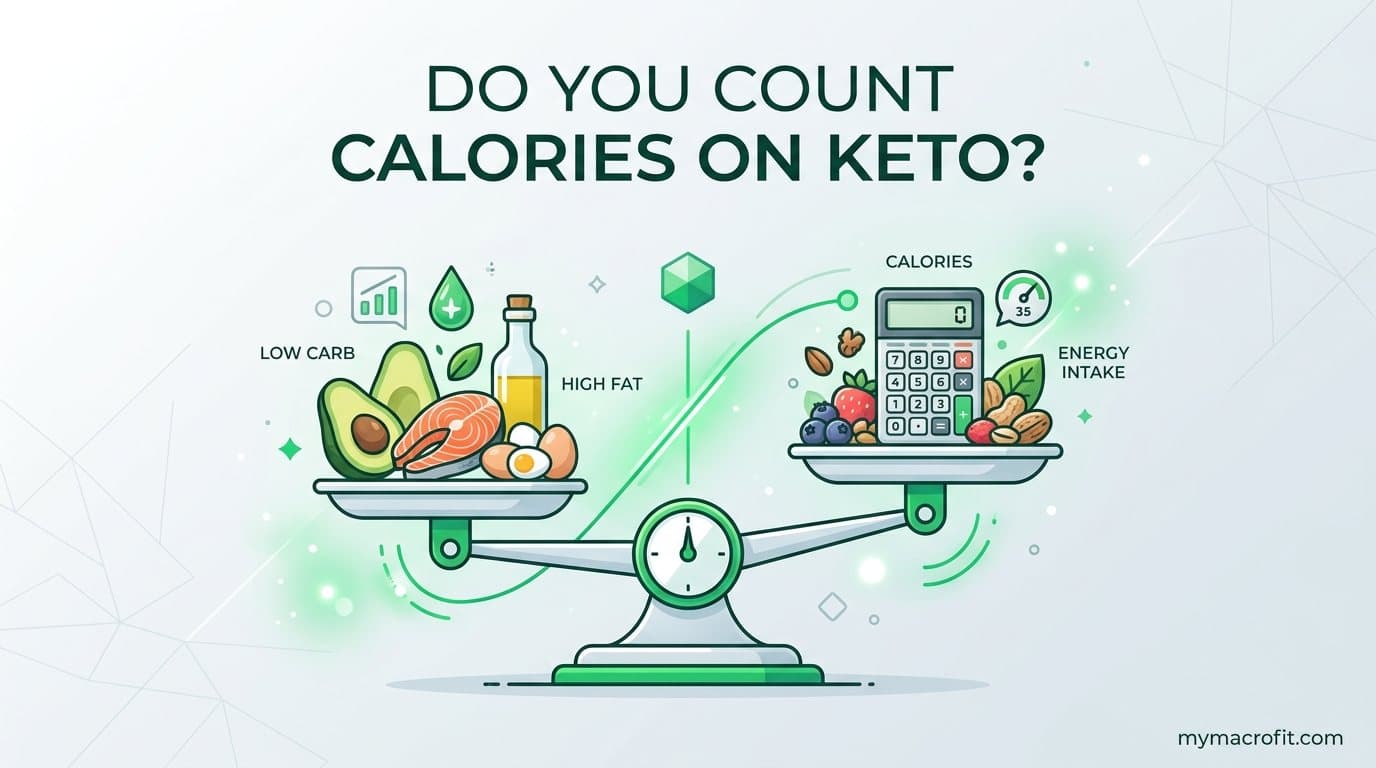
Do You Have to Count Calories on Keto? Why Keto Works When Calories Still Matter

CN · Metabolic Health Coach
It's one of the most confusing things about keto. On one hand, you're told energy balance is everything, calories in versus calories out. On the other, keto fans say you can "eat as much as you want" and the weight falls off. Both can't be true... or can they? Here's what's actually going on, and whether you need to count calories on keto.
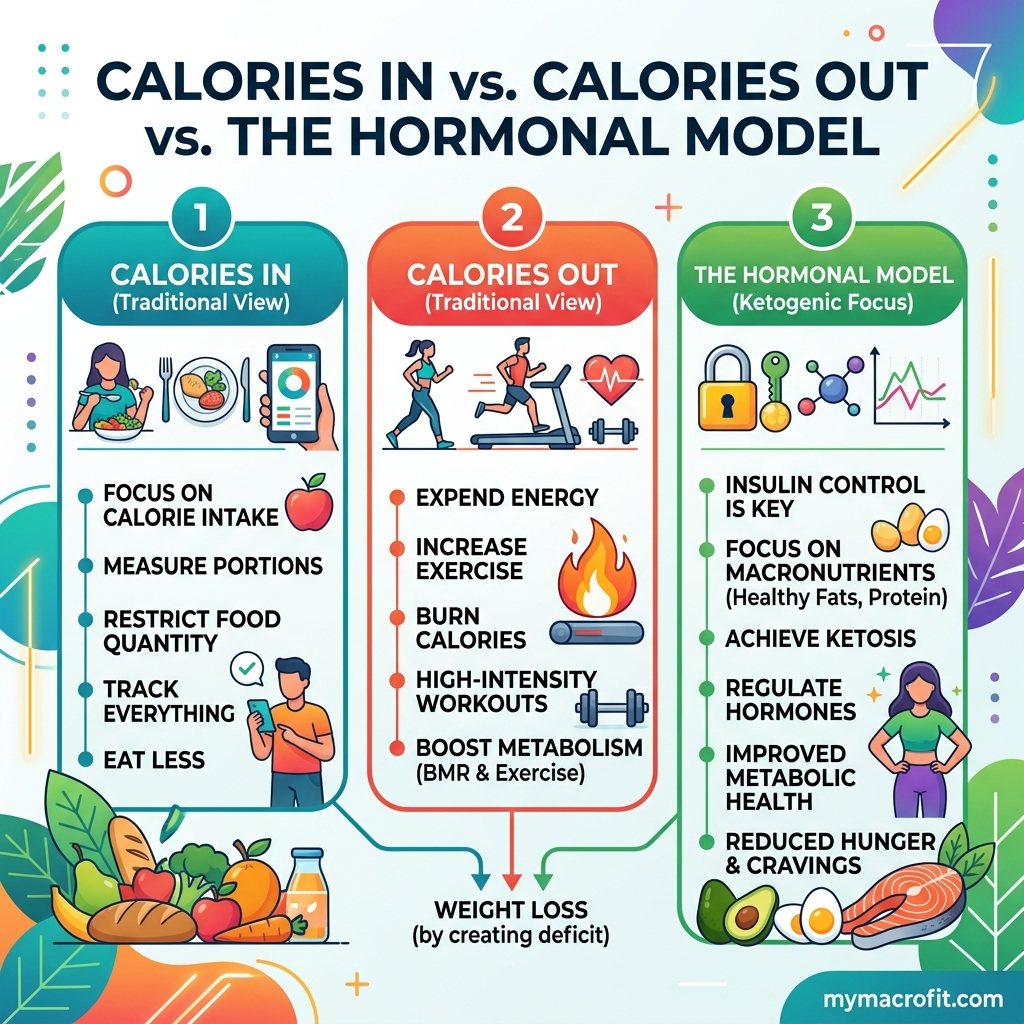
Keto doesn't bypass calories, it hides them
Let's settle the core question first: calories still decide whether you lose weight on keto. There is no metabolic loophole that lets you eat past your energy needs and lose fat. Ketosis changes which fuel your body burns; it doesn't repeal energy balance.
So why does keto work so well for so many people without counting a single calorie? Because it creates a deficit automatically. It does this in two powerful ways:
- It removes the easiest-to-overeat foods. Bread, pasta, rice, sweets, pastries, sugary drinks, entire categories of calorie-dense, easy-to-overconsume food simply leave the menu. That alone slashes a lot of people's intake.
- It's genuinely filling. Protein and fat are the most satiating macros, and ketosis itself blunts appetite. People on keto often report they're just... not that hungry, so they eat less without forcing it.
The result is a real calorie deficit that happens by accident. Keto isn't magic, it's one of the most effective ways ever devised to make people eat less without telling them to count.
So do you need to count?
For many people starting out: no. If you're cutting carbs, eating to satiety, and the weight is coming off, the automatic deficit is doing its job and counting would only add friction. Plenty of people lose significant weight on keto having never opened a tracking app.
The moment counting becomes useful is when progress stalls, and on keto, it almost always stalls for one specific reason.
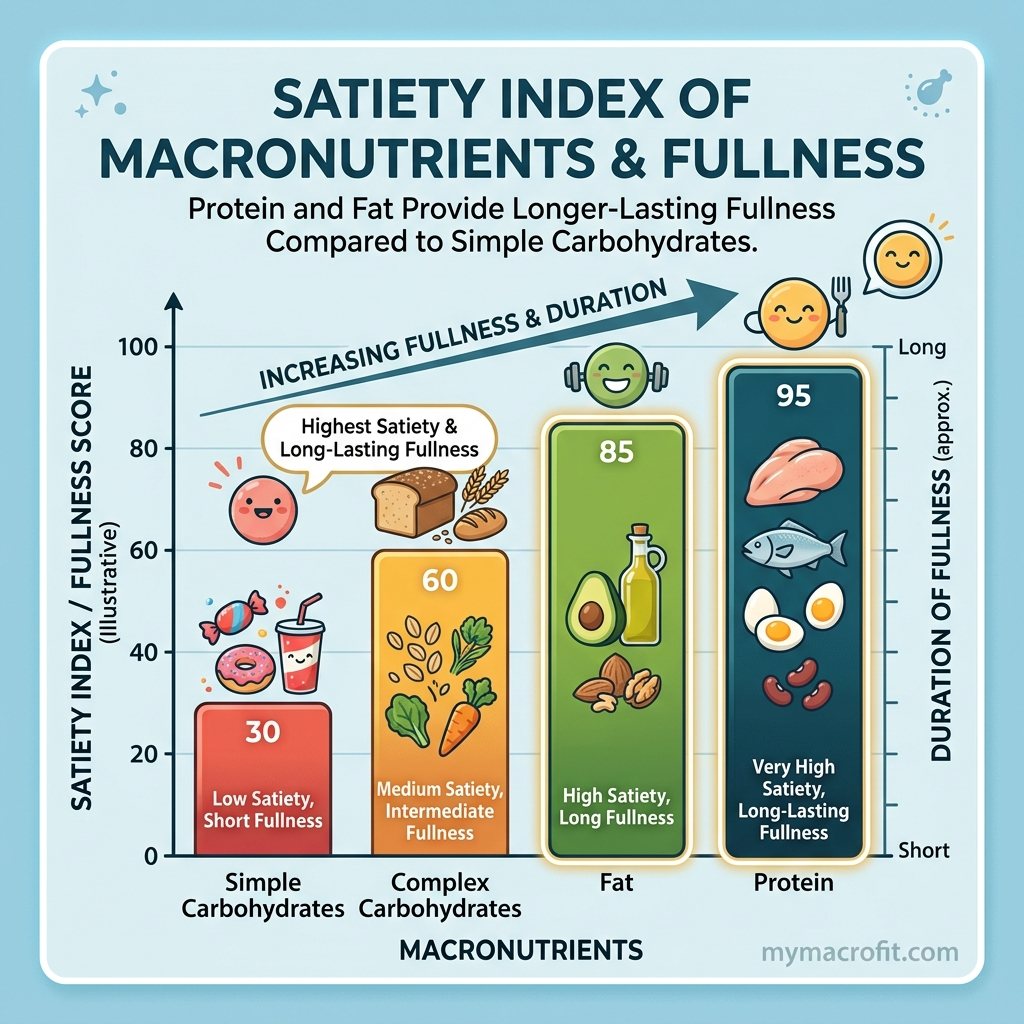
The calorie-density trap
Here's where "eat as much fat as you want" quietly backfires. Fat contains 9 calories per gram, more than double protein or carbs. So while fat keeps you full, it's also the easiest way to blow past your deficit without noticing.
Bulletproof coffees, fat bombs, extra cheese on everything, cooking everything in butter and oil, snacking on nuts by the handful, these are calorie-dense by design. In ketosis, but eating 2,800 calories of fat when you burn 2,200, you will not lose weight. The deficit that keto created automatically gets eaten back, one innocent "keto-friendly" addition at a time.
This is why nearly every keto stall traces back to the same thing: calorie creep from added fat. The fix is simple, track calories honestly for two weeks, find where the fat is sneaking in, and pull it back. Use fat to reach fullness, not as a licence to eat without limit.
Get your keto macros right.
The free Keto Macro Calculator sets your fat, protein, and carb targets, and the calorie ceiling that keeps the deficit intact.
Open the Keto Macro Calculator →Your keto stall checklist
When the scale stops on keto, people tend to assume something exotic is wrong. It almost never is. Run this list, top to bottom, before you blame your hormones or "metabolic damage":
| Check | Why it stalls you | Fix |
|---|---|---|
| Added fats crept up | Fat is 9 cal/g, easy to overdo | Track fat for 2 weeks, pull it back |
| "Keto" packaged snacks | Calorie-dense, easy to overeat | Treat as treats, not staples |
| Portions drifting | Eyeballing creeps high over time | Re-weigh for a week to recalibrate |
| Carbs sneaking in | Can knock you out of ketosis | Recount net carbs, watch sauces |
| Just water rebound | Normal after the week-one drop | Wait it out, judge over 2-3 weeks |
Nine times out of ten the culprit is the first row. The deficit keto handed you for free got quietly eaten back by bulletproof coffees and "just a bit more cheese." None of this means keto stopped working, it means calories stopped being low enough, which on keto almost always means fat.
Who keto actually suits
Keto isn't morally superior to any other approach, but it genuinely fits some people better than others. It tends to work well if you:
- Find protein and fat far more filling than carbs, and hate feeling hungry while dieting.
- Prefer a clear rule ("don't eat carbs") over counting every calorie.
- Have insulin resistance or PCOS, where lower-carb eating can help with appetite and energy.
It's a poor fit if you do a lot of high-intensity training that runs on carbs, if you love bread and fruit enough that cutting them feels miserable, or if restrictive rules tend to trigger a binge for you. There's no prize for choosing the harder diet. The best one is the one you'll still be doing in six months, which is exactly why keto and flexible calorie counting both work when matched for calories and protein.
The smartest approach: count protein and carbs, eyeball fat
Most successful long-term keto dieters land on a middle path. They keep a close eye on two numbers and relax on the third:
- Carbs, counted carefully, because staying under your threshold (usually 20-30g net) is what keeps you in ketosis.
- Protein, hit consistently, to protect muscle and stay full.
- Fat, eaten to satiety rather than counted obsessively, but dialled back the moment the scale stalls.
That gives you keto's appetite-suppressing, deficit-creating benefits without a lifetime of logging, while keeping the one lever (fat) that causes stalls under control.
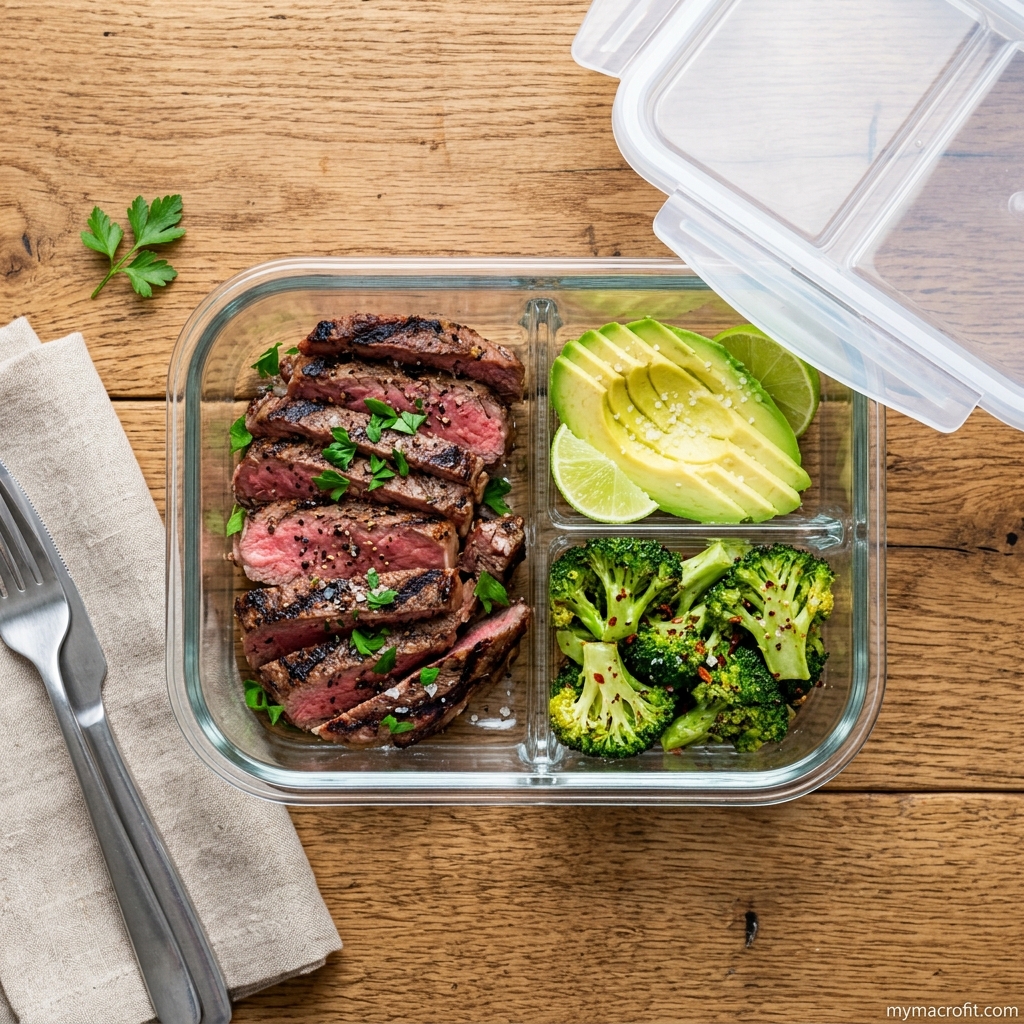
The bottom line
Keto works because it makes a calorie deficit happen without you counting, not because calories stopped mattering. For most people, you don't need to count to start losing weight. But if progress stops, the answer is almost never "do more keto" and almost always "the fat crept your calories back up." Track for two weeks, tighten the fat, and the automatic deficit comes back. Keto and calorie counting aren't enemies, keto is just calorie counting that does most of the work for you.
Save & share on Pinterest
Click any card to pin it — or share with someone who needs it.
Do You Have to Count Calories on Keto? Why Keto Works When Calories Still Matter
If keto lets you 'eat as much as you want,' why does it work, and do you actually need to count calo…
If keto lets you 'eat as much as you want,' why does it work, and do you actuall…
Read the full guide: Do You Have to Count Calories on Keto? Why Keto Works When Calories Still Matte…
Try the free Keto Macro Calculator
Do You Have to Count Calories on Keto? Why Keto Works When Calories Still Matter — use our free calc…
Pinterest opens in a new tab. You can edit the description before saving.
Ready to get your numbers?
Free calculator, instant results, no signup required.
Frequently Asked Questions
Do you have to count calories on keto to lose weight?+
Why do people lose weight on keto if calories are what matter?+
Can you eat unlimited fat on keto and still lose weight?+
Why has my keto weight loss stalled?+
Is keto better than just counting calories?+
Why did I lose so much weight in the first week of keto?+
About the Author

I'm a certified nutritionist and metabolic health coach. I went deep on keto and metabolism after reversing my own insulin resistance, and I'd rather give you the actual numbers than a hand-wave.
View full profile →