Intermittent Fasting 18/6: The Complete Guide

CN · Metabolic Health Coach
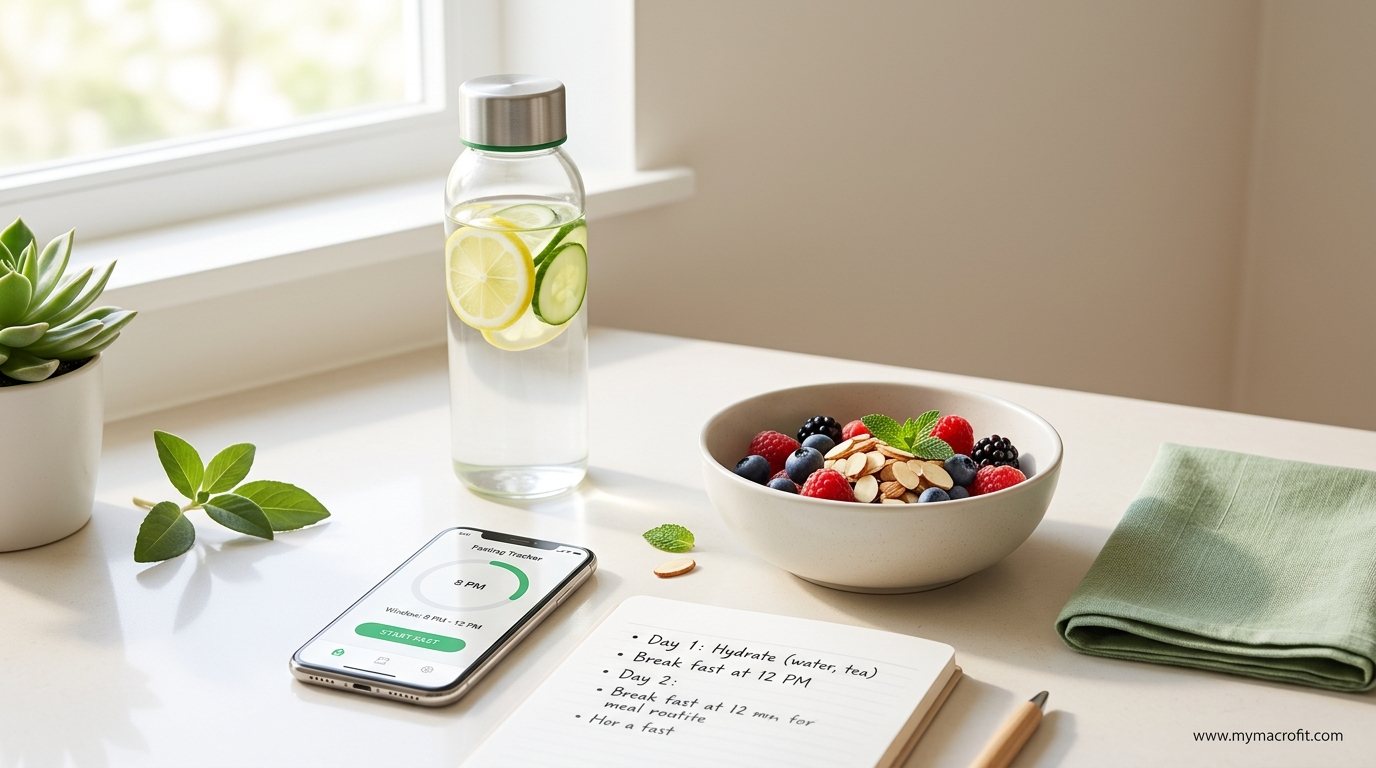
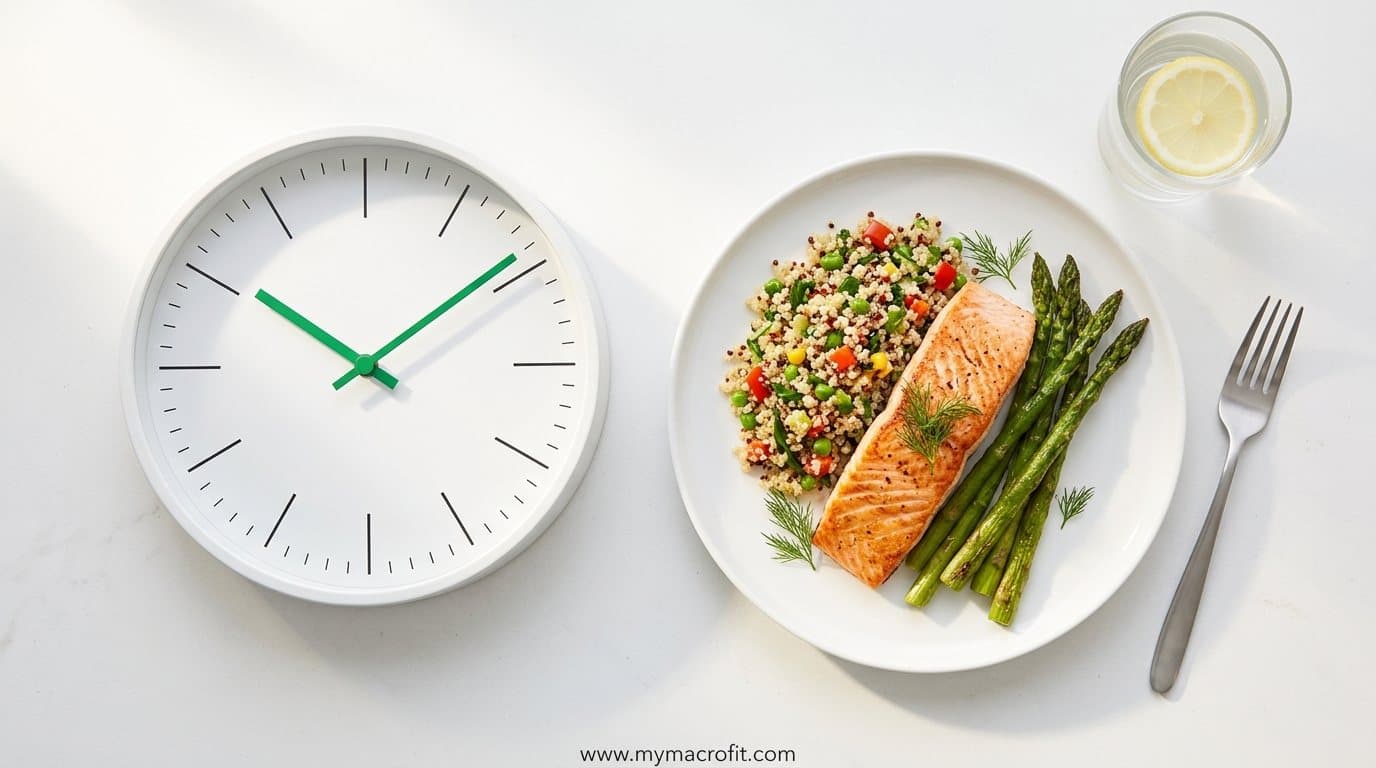
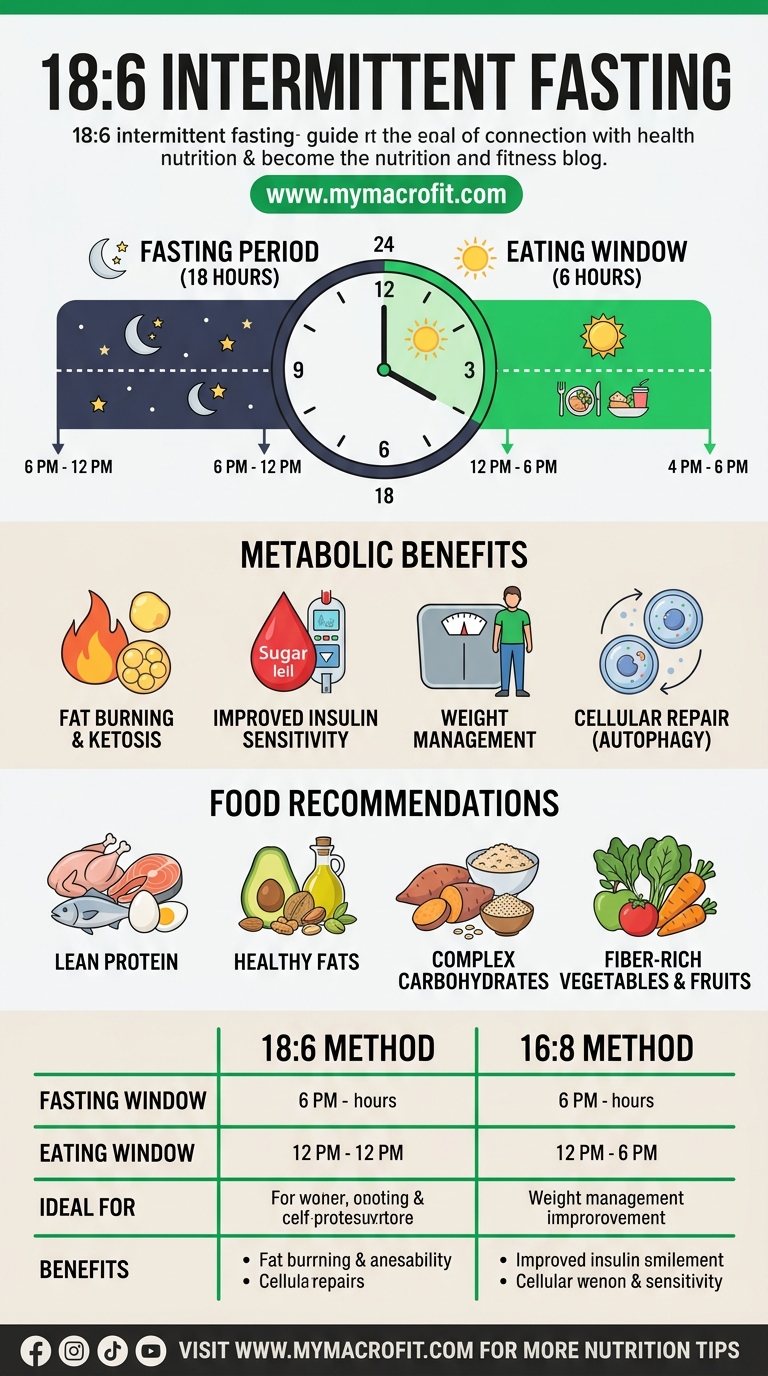
18:6 intermittent fasting, an 18-hour daily fast with a 6-hour eating window, is one step up from the widely used 16:8 protocol. It's a practical, evidence-informed approach that produces meaningful metabolic benefits while fitting most modern lifestyles.
Setting Up 18:6
The key variable: choosing your 6-hour eating window.
Common 18:6 windows:
- 12pm-6pm: Skip breakfast, eat lunch and dinner. Works well for people with afternoon/evening social eating.
- 1pm-7pm: Later lunch, dinner at 7pm. Good balance.
- 2pm-8pm: Skips breakfast and late morning, allows later dinner.
- 10am-4pm: Early eating window, aligns well with circadian rhythm evidence (earlier eating is metabolically favourable).
Circadian alignment: Metabolism is most insulin-sensitive and metabolically active in the morning and early afternoon. The 10am-4pm or 11am-5pm windows align with this rhythm, potentially producing superior metabolic outcomes compared to later windows.
What Happens Metabolically During 18-Hour Fast
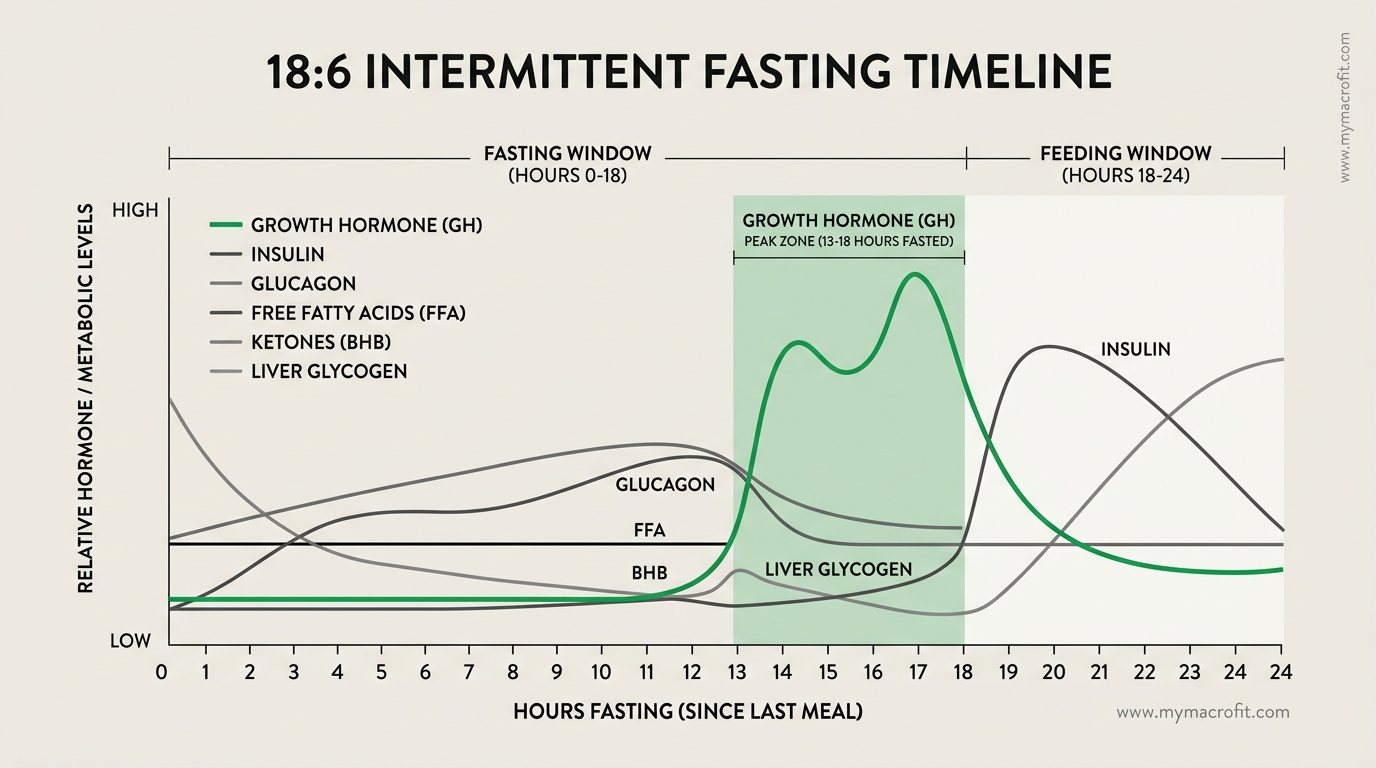
Hours 0-4: Last meal digested. Blood glucose and insulin normalising.
Hours 4-8: Liver glycogen begins depleting. Body transitions to increasing fat oxidation.
Hours 8-12: Fat oxidation is the dominant energy source for most tissues. Insulin very low.
Hours 12-16: Deeper glycogen depletion. Growth hormone begins rising (first significant peak around hour 12-13). Ketone production begins.
Hours 16-18: Significant GH elevation (GH levels 2-3× higher than fed state at this stage). Autophagy (cellular cleanup) is more active. Ketone production is meaningful (light ketosis in some individuals).
The additional 2 hours from 16:8 to 18:6 produces a meaningfully more pronounced GH peak and deeper fat oxidation, though the practical fat loss difference is modest if total weekly calories are similar.
Structuring the 6-Hour Eating Window
With only 6 hours to eat, meal frequency typically drops to 2 meals and possibly a snack:
Example: 12pm-6pm window
12pm (Meal 1, Break-Fast): This meal breaks an 18-hour fast, it sets the metabolic tone for the eating window.
- Priority: high protein (35-50g) to maximise muscle protein synthesis after the fast
- Moderate complex carbohydrates to restore glycogen
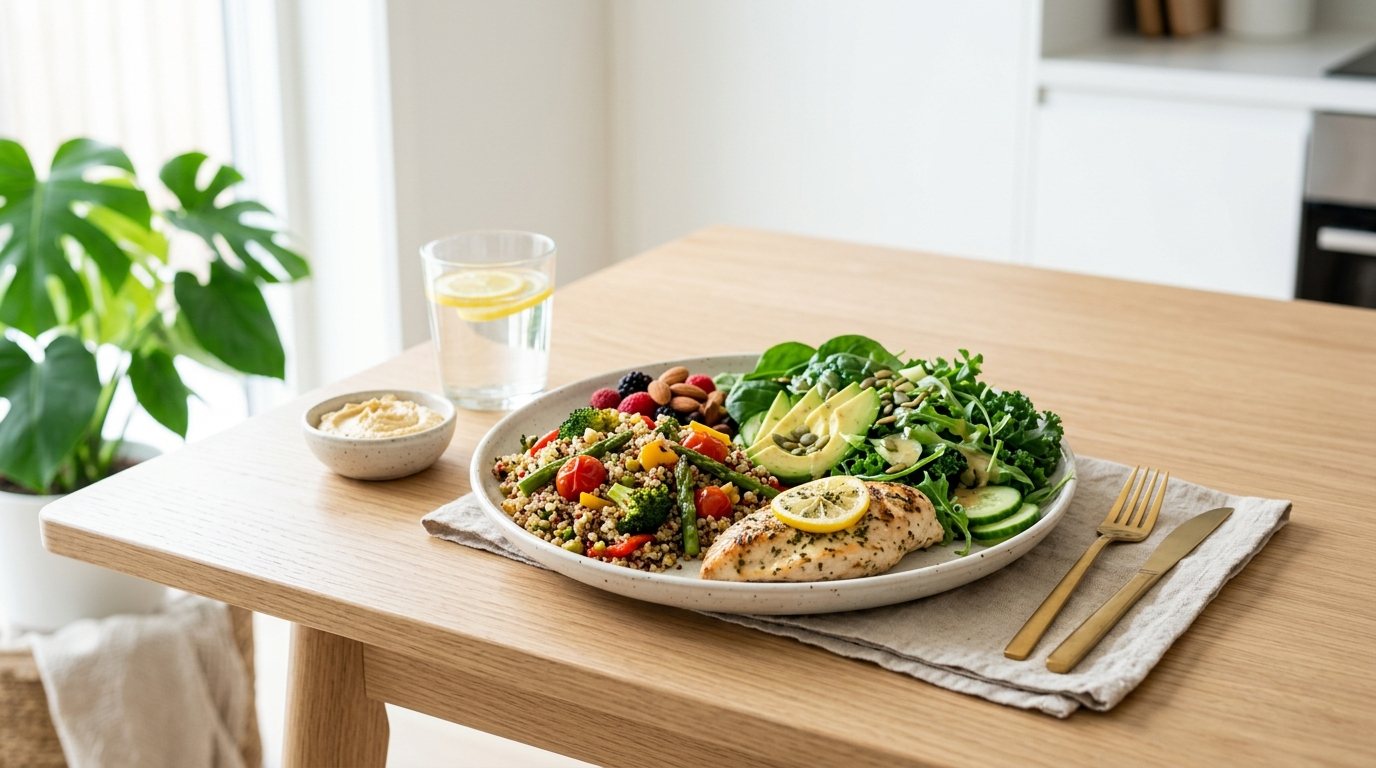
- Example: large chicken rice bowl, salmon + sweet potato, or 4-egg omelette + toast + Greek yogurt
3pm (Snack, if needed):
- Protein-focused: Greek yogurt, cottage cheese, protein shake, handful of nuts
- Many people don't need this with an 18:6 eating window, appetite suppression from fasting is significant
6pm (Meal 2, Last Meal):
- Highest calorie meal of the day for most people
- Protein 35-50g
- Can include more carbohydrates if training earlier in the day
- Example: steak + roasted vegetables + potato; fish + rice + salad; pasta + lean meat sauce
Hitting Protein and Calories in 6 Hours
The compressed eating window creates a challenge: fitting adequate protein (1.6-2g/kg bodyweight) and total calories into 2-3 meals.
For a 70kg person targeting 140g protein and 1,600 kcal:
Meal 1 (12pm): 55g protein, 600 kcal
- 180g chicken + 200g rice + vegetables
Meal 2 (5:30pm): 65g protein, 800 kcal
- 200g salmon + 250g sweet potato + salad + olive oil dressing
Snack (3pm): 20g protein, 200 kcal
- 200g cottage cheese + berries
Total: 140g protein, 1,600 kcal ✓
Protein-dense eating requires attention: Skipping breakfast eliminates what is often 30-40g of protein for many people. This must be compensated across the 2 main meals.
Benefits of 18:6 Over 16:8
More pronounced growth hormone elevation: GH rises logarithmically with fast duration, the 18-hour mark produces a substantially higher GH response than 16 hours.
More advanced autophagy: Autophagy (cellular cleanup of damaged proteins and organelles) is more active with longer fasting periods. 18+ hours appears to be when autophagy becomes significantly more active.
More complete glycogen depletion: 18 hours of fasting more thoroughly depletes liver glycogen, creating stronger conditions for fat oxidation.
More pronounced appetite suppression: The appetite-suppressing effects of an overnight + morning fast are more powerful by hour 18 than hour 16 for most people.
Challenges and Who It's Not Suitable For
Challenges:
- Fitting adequate calories and protein into 6 hours requires eating larger, more focused meals
- Social eating is more constrained (no lunch flexibility if window is 12-6pm)
- Early morning exercise on empty stomach is a full 12+ hours without food, may impair training quality
Not suitable for:
- Pregnant or breastfeeding women
- History of eating disorders
- Type 1 diabetes
- High physical performance demands (training twice daily)
- Growing adolescents
The Bottom Line
18:6 intermittent fasting extends the benefits of the popular 16:8 protocol, more pronounced GH elevation, deeper glycogen depletion, and potentially more significant autophagy activation. The calorie reduction from a shorter eating window is the primary weight loss mechanism. Fitting adequate protein across 2 meals requires deliberate planning; the rest follows from choosing an eating window that fits your social and training schedule.
Save & share on Pinterest
Click any card to pin it — or share with someone who needs it.
Intermittent Fasting 18/6: The Complete Guide
How the 18:6 intermittent fasting protocol works, the benefits, how to set it up, what to eat in the…
How the 18:6 intermittent fasting protocol works, the benefits, how to set it up…
Read the full guide: Intermittent Fasting 18/6: The Complete Guide
Free fitness tools
Intermittent Fasting 18/6: The Complete Guide — use our free calculators for instant personalised re…
Pinterest opens in a new tab. You can edit the description before saving.
Frequently Asked Questions
What is the 18:6 intermittent fasting method?+
Is 18:6 better than 16:8 for weight loss?+
What can I have during the 18-hour fast?+
How do I hit my protein in just a 6-hour window?+
Can I build muscle on 18:6 intermittent fasting?+
Is 18:6 safe to do every day, and who should avoid it?+
About the Author

I'm a certified nutritionist and metabolic health coach. I went deep on keto and metabolism after reversing my own insulin resistance, and I'd rather give you the actual numbers than a hand-wave.
View full profile →