Intermittent Fasting for Beginners: Where to Start

BSc Kinesiology · CPT
Intermittent fasting is one of the most searched dietary approaches globally, and one of the most misunderstood. This guide cuts through the confusion to give you the simplest, most effective starting point.
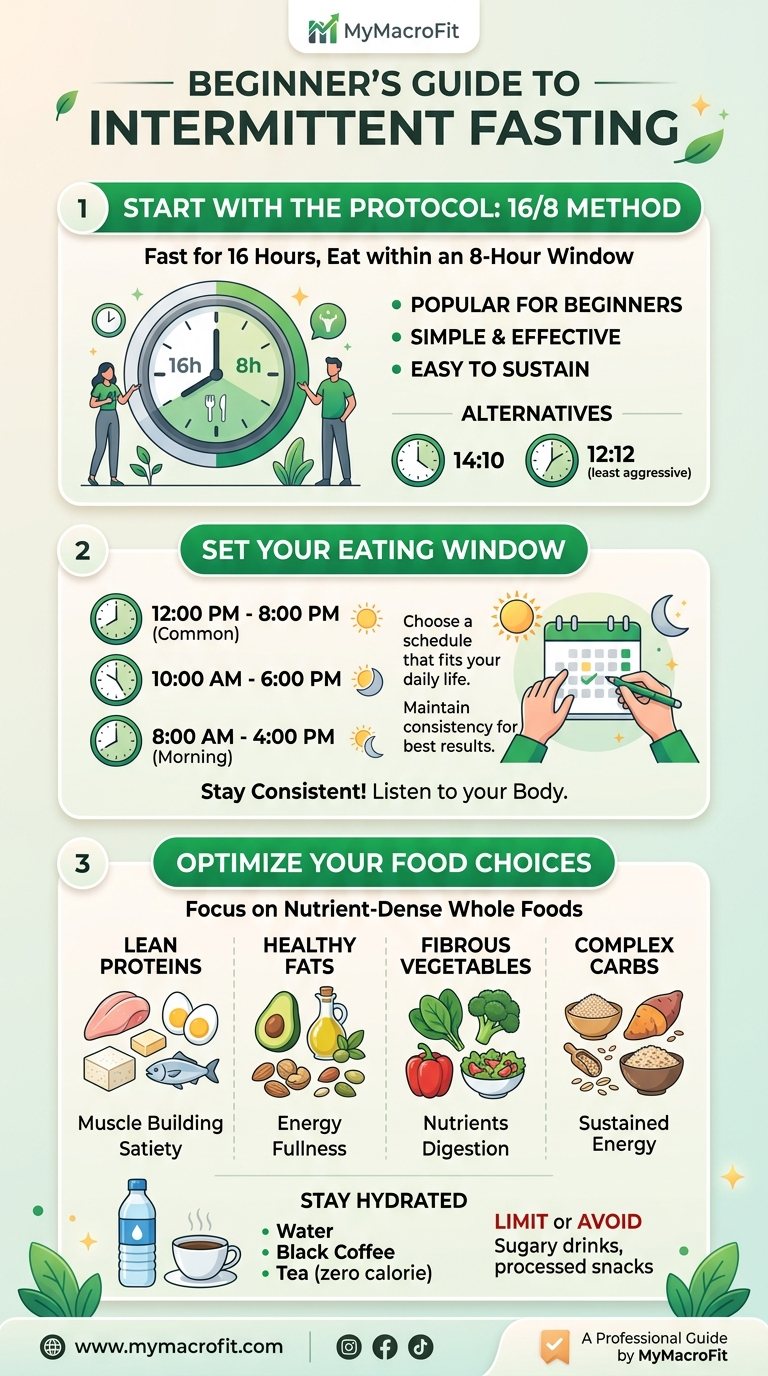
What Intermittent Fasting Actually Is
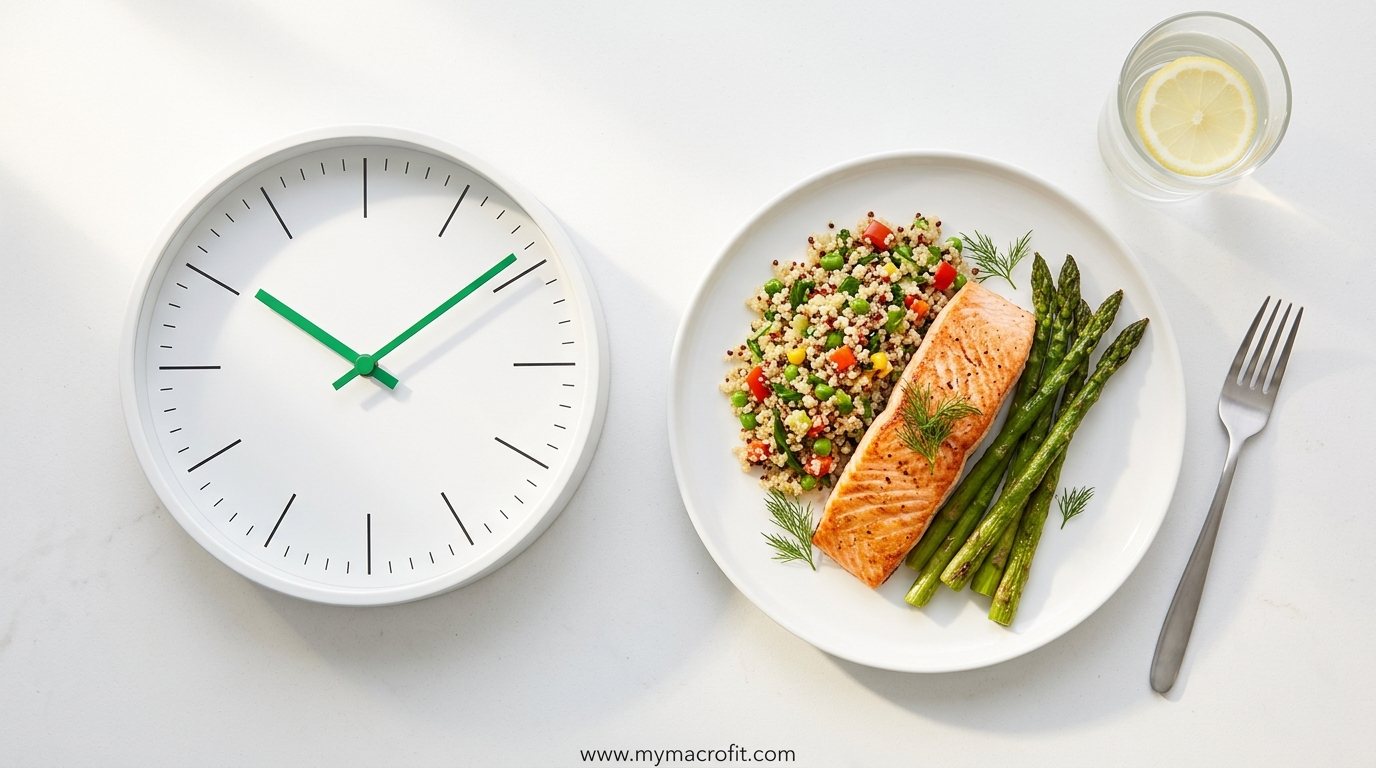
Intermittent fasting (IF) is a pattern of eating that cycles between periods of fasting and eating. It's not a diet in the traditional sense, it doesn't prescribe what you eat, only when you eat.
Common protocols:
- 16:8, 16-hour fast, 8-hour eating window (most popular for beginners)
- 18:6, 18-hour fast, 6-hour eating window (more advanced)
- 5:2, 5 normal eating days, 2 very low calorie days (500-600 kcal)
- OMAD, One meal a day (most extreme)
For beginners: start with 16:8.
Why 16:8 Is the Right Starting Protocol
16:8 hits the sweet spot for beginners:
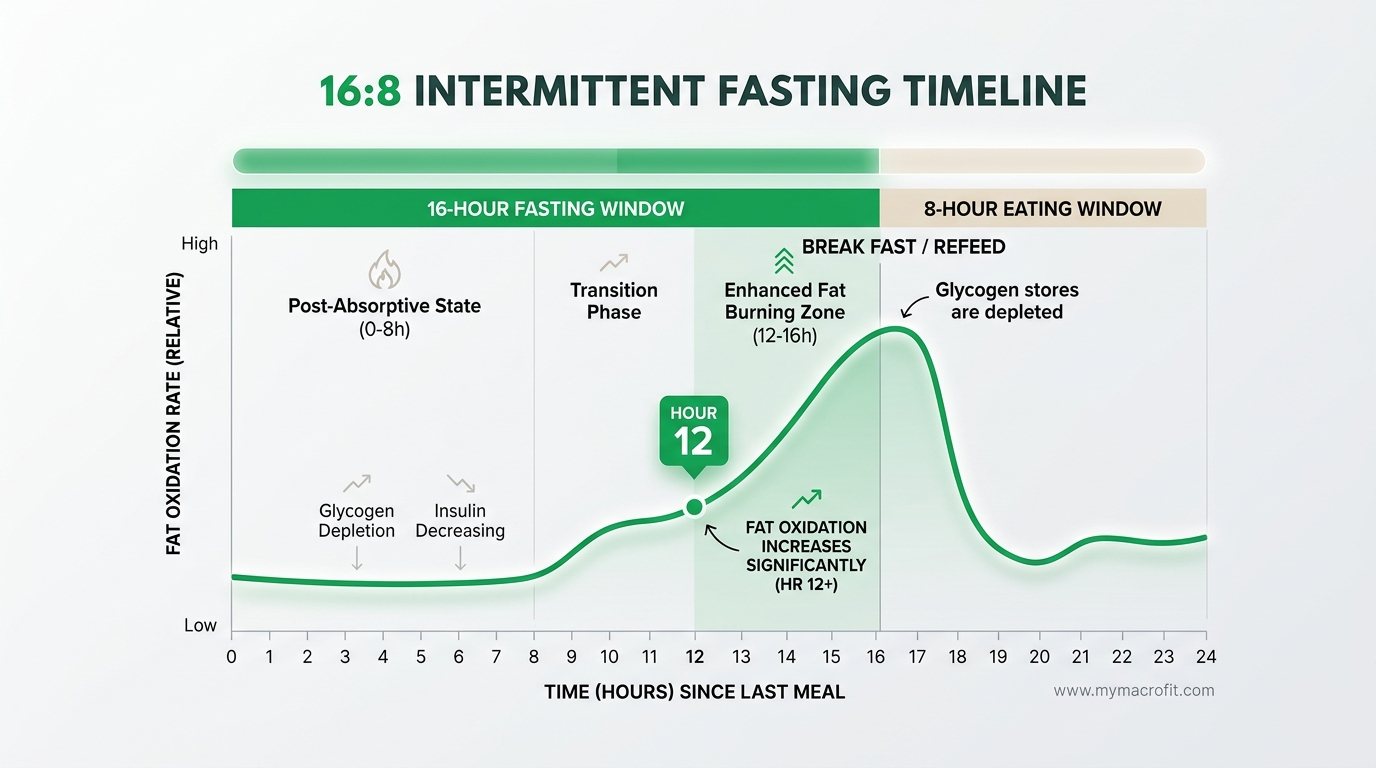
- Achievable: Most people already fast for 10-12 hours overnight. Extending to 16 hours simply means skipping breakfast or ending dinner earlier.
- Effective: A 16-hour fast produces meaningful metabolic effects, fat oxidation increases significantly, insulin drops, and moderate growth hormone elevation occurs.
- Sustainable: An 8-hour eating window easily accommodates lunch, dinner, and most social eating.
- Well-researched: More clinical data exists for 16:8 than any other IF protocol.
Setting Up Your Eating Window
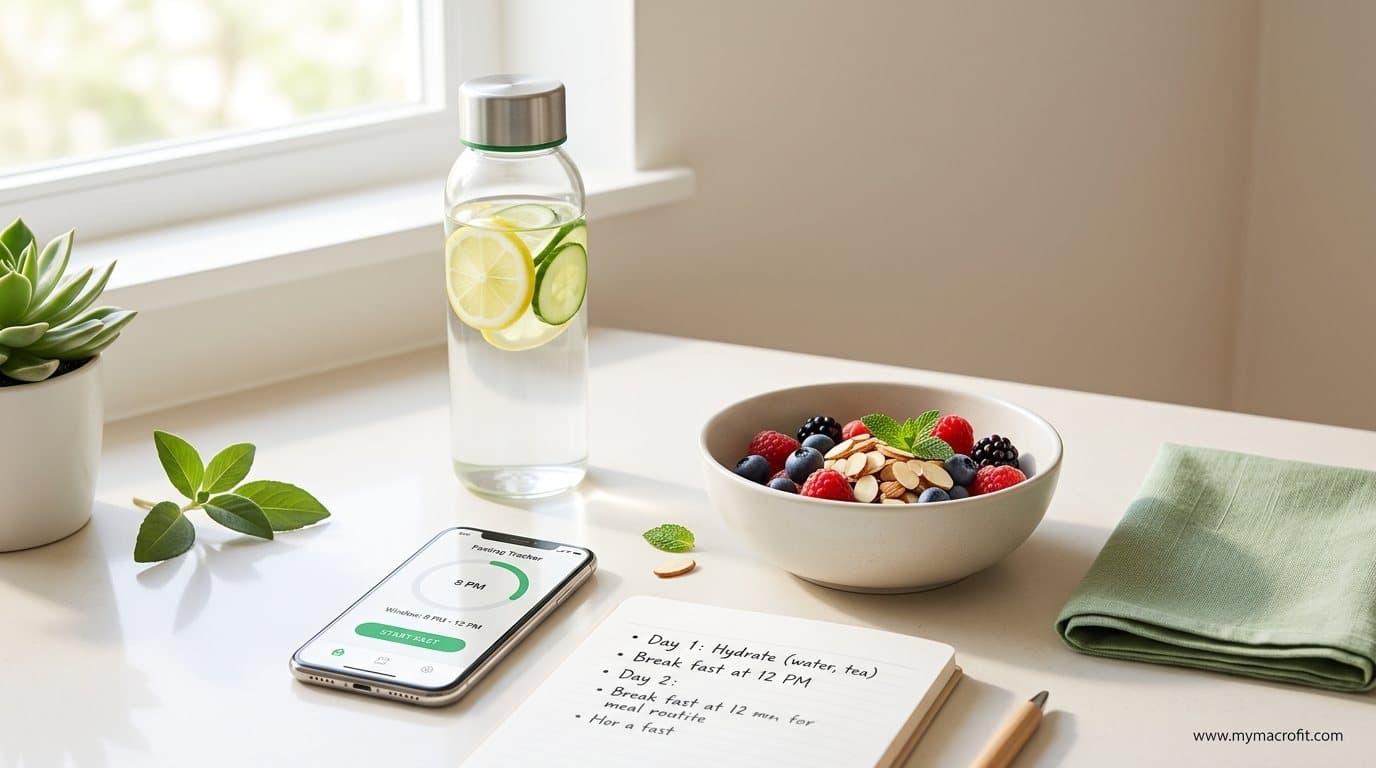
The most common 16:8 windows:
| Window | Fast period | Best for |
|---|---|---|
| 12pm-8pm | 8pm to noon (16 hrs) | Skipping breakfast, keeping dinner social |
| 1pm-9pm | 9pm to 1pm (16 hrs) | Later dinner preference |
| 10am-6pm | 6pm to 10am (16 hrs) | Early risers, circadian alignment |
| 11am-7pm | 7pm to 11am (16 hrs) | Midday flexibility |
Circadian rhythm tip: Earlier eating windows (10am-6pm or 11am-7pm) align with the body's natural metabolic rhythm. Metabolism is most insulin-sensitive in the morning and early afternoon. If you have flexibility, earlier windows may produce superior metabolic outcomes.
Pick the window that fits your life. The best window is the one you'll actually stick to, not the theoretically optimal one you abandon in two weeks.
What Breaks a Fast
During the fasting period, only truly zero-calorie intake is strictly compatible:
Does NOT break the fast:
- Water (unlimited)
- Black coffee (no milk, sweetener, or additives)
- Plain herbal tea or green tea
Does break the fast:
- Milk in coffee (even a splash adds calories and insulin response)
- Protein shakes
- Fruit juice
- Caloric sweeteners
- Bulletproof coffee (significant fat content raises debate; technically caloric)
Practical note: A small splash of milk in your morning coffee (<30 kcal) won't meaningfully impact most of the benefits of 16:8 fasting. If strict autophagy is your goal, zero calories is the standard. For weight loss, it's a minor consideration.
What to Eat in Your Eating Window
IF doesn't specify what to eat, but eating decisions during the window determine results.
The common mistake: Treating the eating window as permission to eat anything, consuming the same or more total calories than before IF.
The approach that produces results:
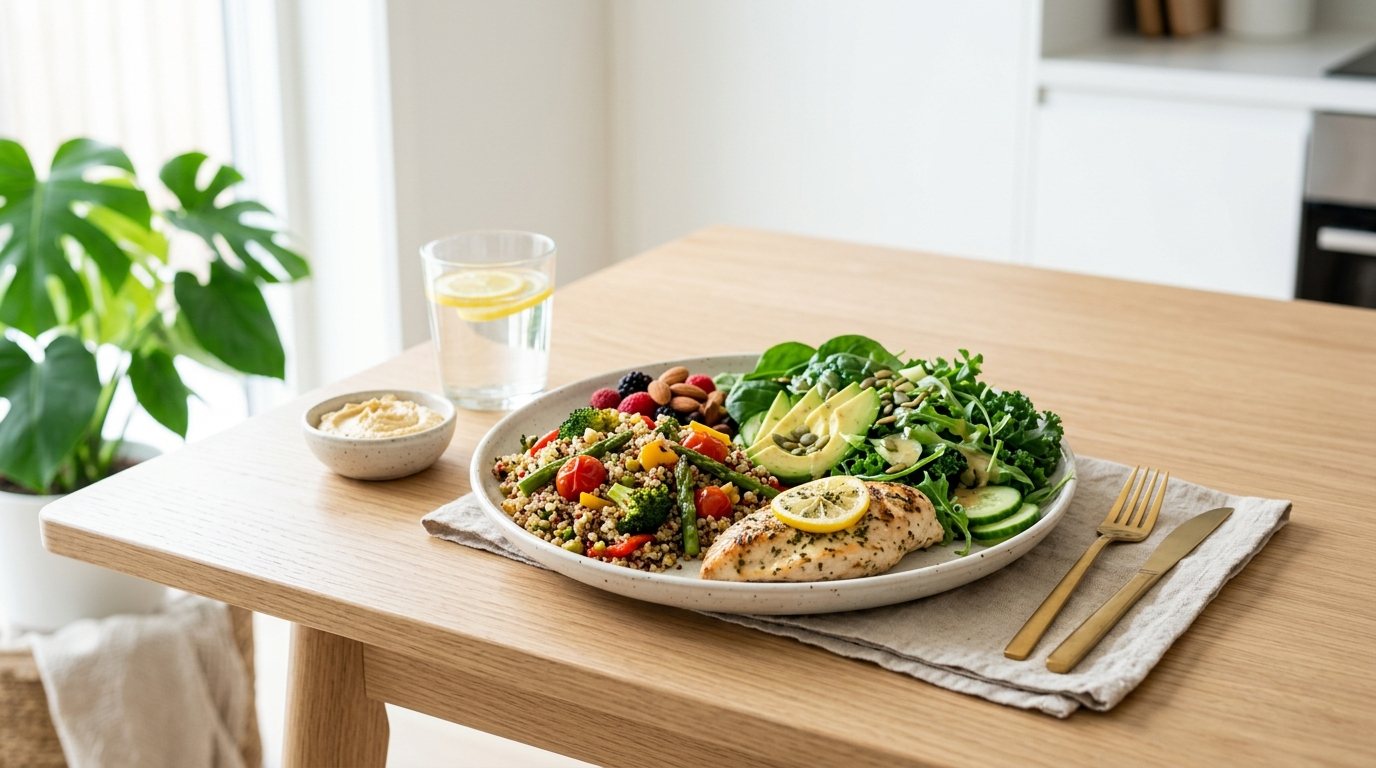
Meal 1 (Break-Fast): High protein, moderate carbs.
- Priority: 35-50g protein to stimulate muscle protein synthesis after the overnight fast
- Moderate complex carbohydrates to restore glycogen
- Examples: large chicken salad, 4-egg omelette + Greek yogurt, salmon + sweet potato
Meal 2 (Main Dinner): Largest meal of the day.
- 40-50g protein
- Vegetables (fill half the plate)
- Carbohydrates based on activity level, more if training, fewer if sedentary
- Examples: steak + roasted vegetables + potato, fish + rice + salad, pasta + lean meat sauce
Snack (optional): Protein-focused
- Greek yogurt, cottage cheese, handful of nuts, hard-boiled eggs
- Only if genuinely hungry, the appetite suppression of IF often eliminates snack urges
Calculate your calories: Use our TDEE Calculator to find your maintenance and set an appropriate deficit. IF works best when the eating window creates a moderate 20-25% calorie deficit through natural appetite reduction.
The First Two Weeks: What to Expect
Days 1-3: Morning hunger may be uncomfortable. This is primarily habitual hunger (your body expecting food at its usual time), not physiological need. It decreases within 3-5 days as your eating schedule adapts.
Days 4-7: Hunger in the fasting period typically reduces noticeably. Many people report feeling clearer-headed in the morning without breakfast (after the initial adjustment).
Week 2: The pattern becomes routine. Most people report the 16-hour fast is no longer effortful after 10-14 days of consistent practice.
Scale weight: Expect a rapid 2-4kg drop in the first 1-2 weeks from glycogen and water. This is not fat loss, don't be surprised when this initial pace slows.
Common Beginner Mistakes
1. Overeating in the window. The fasting period suppresses appetite, but some people compensate with larger meals. If you're not losing weight, track your calories for 3-5 days to check actual intake.
2. Not enough protein. Skipping breakfast removes 25-40g of protein for many people. This must be compensated in lunch and dinner. Aim for 1.6-2g per kg bodyweight daily.
3. Breaking the fast with processed foods. Your first meal breaks an 18+ hour fast. High-glycaemic processed foods spike blood glucose sharply. Prioritise whole foods with protein and fibre.
4. Quitting after the first week. The adaptation period involves real hunger and discomfort. This is temporary, most people find the pattern comfortable by week 2. Don't judge IF based on days 1-5.
5. Expecting IF to work without a calorie deficit. IF is a tool for creating a calorie deficit through appetite control and restricted eating time. It doesn't work independently of energy balance.
When to Progress Beyond 16:8
After 4-6 weeks of comfortable 16:8, you might consider progressing if:
- Results have stalled
- You find 16:8 no longer challenging
- You want deeper fasting benefits (more autophagy, stronger GH elevation)
Next step: 18:6 intermittent fasting, two additional hours of fasting that produce meaningfully more pronounced metabolic effects.
Not recommended:
- Progressing while still struggling with hunger on 16:8
- Moving to OMAD without significant experience at 18:6 (the nutritional risks are significant, see our OMAD guide)
The Bottom Line
16:8 intermittent fasting is the ideal starting point for beginners. It's achievable, evidence-based, and fits most lifestyles. The results come primarily from eating less within a compressed window, not from fasting magic. Start with a window that fits your life, eat protein-focused whole foods, and calculate your calorie targets. The first two weeks are the hardest; after that, most people find 16:8 feels effortless.
Save & share on Pinterest
Click any card to pin it — or share with someone who needs it.
Intermittent Fasting for Beginners: Where to Start
The beginner's guide to intermittent fasting, which protocol to start with, how to avoid common mist…
The beginner's guide to intermittent fasting, which protocol to start with, how …
Read the full guide: Intermittent Fasting for Beginners: Where to Start
Try the free TDEE Calculator
Intermittent Fasting for Beginners: Where to Start — use our free calculators for instant personalis…
Pinterest opens in a new tab. You can edit the description before saving.
Ready to get your numbers?
Free calculator, instant results, no signup required.
Frequently Asked Questions
What is the best intermittent fasting method for beginners?+
How long does it take to see results from intermittent fasting?+
Will intermittent fasting make me lose muscle?+
What can I have during the fasting window?+
Is intermittent fasting safe, and who should avoid it?+
About the Author

I'm a kinesiologist and personal trainer. I've spent eight years helping women lose fat and get stronger without handing their whole life over to a diet.
View full profile →