
Is Perimenopause Weight Gain Permanent? (And How to Actually Reverse It)

RHC · Pre/Postnatal Fitness Specialist
If you've gained weight seemingly overnight in your forties, especially around your middle, and nothing you used to do is shifting it, the fear is completely understandable: is this just how my body is now, forever? Let's answer that clearly and early. No. Perimenopause weight gain is not permanent. It's more stubborn than it used to be, and it responds to a different approach than the one that worked in your twenties, but women reverse it all the time. Here's why it happens, why it feels so immovable, and what actually works.
Why the weight arrives (and why it feels sudden)
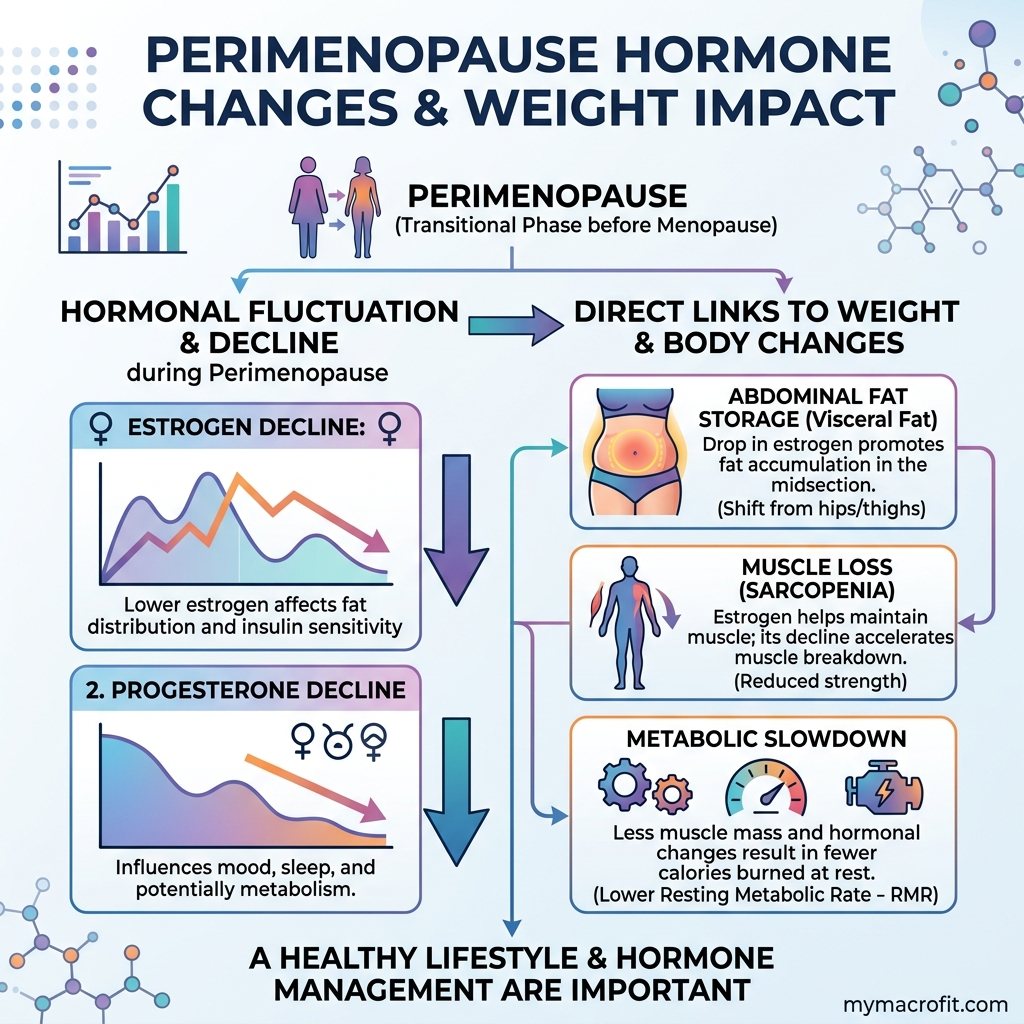
Perimenopause, the years-long transition before menopause, brings fluctuating and gradually falling oestrogen, and that single change sets off a chain reaction:
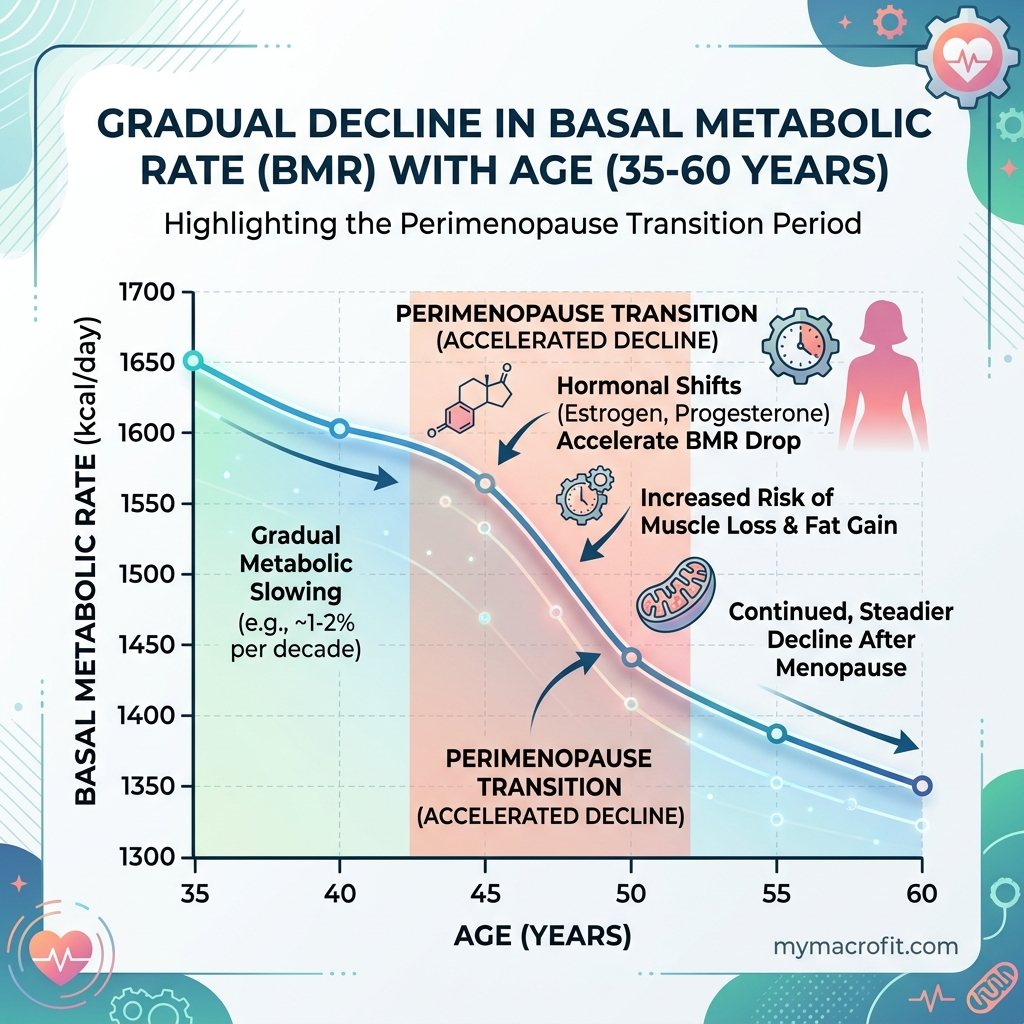
- Muscle becomes harder to keep. Oestrogen helps protect muscle, so as it declines you lose muscle faster unless you actively train. Less muscle means a lower resting metabolism, you burn fewer calories doing nothing.
- Fat moves to your middle. Lower oestrogen shifts fat storage from hips and thighs toward the abdomen, which is why the change feels so visible and so different from before.
- Insulin sensitivity dips. Many women handle carbohydrates a little less efficiently, nudging the body toward storing rather than burning.
- Sleep and stress worsen. Disrupted sleep and higher cortisol drive hunger and cravings the next day.
None of these is huge on its own. Stacked together, they mean the surplus that creates weight gain is now smaller and easier to stumble into, which is exactly why it can feel like you gained weight "out of nowhere, eating the same."
Why it feels permanent (but isn't)
The reason perimenopause weight feels immovable is that the old playbook stops working. The classic approach, eat less, do more cardio, actively backfires here. Aggressive calorie restriction accelerates the very muscle loss that's already lowering your metabolism, and piling on cardio without strength training does nothing to rebuild it. So women restrict harder, lose more muscle, slow their metabolism further, and conclude their body is broken.
It isn't broken. It's running a different operating system that needs a different strategy. Once you switch to that strategy, the weight that felt permanent starts to move.
What actually reverses it
The perimenopause fat-loss approach inverts a lot of old diet wisdom. The priorities, in order:
1. Strength training first. This is the single most powerful lever. Lifting weights rebuilds the muscle that falling oestrogen erodes, which directly props up your metabolism. If you do one new thing, make it resistance training two to three times a week.
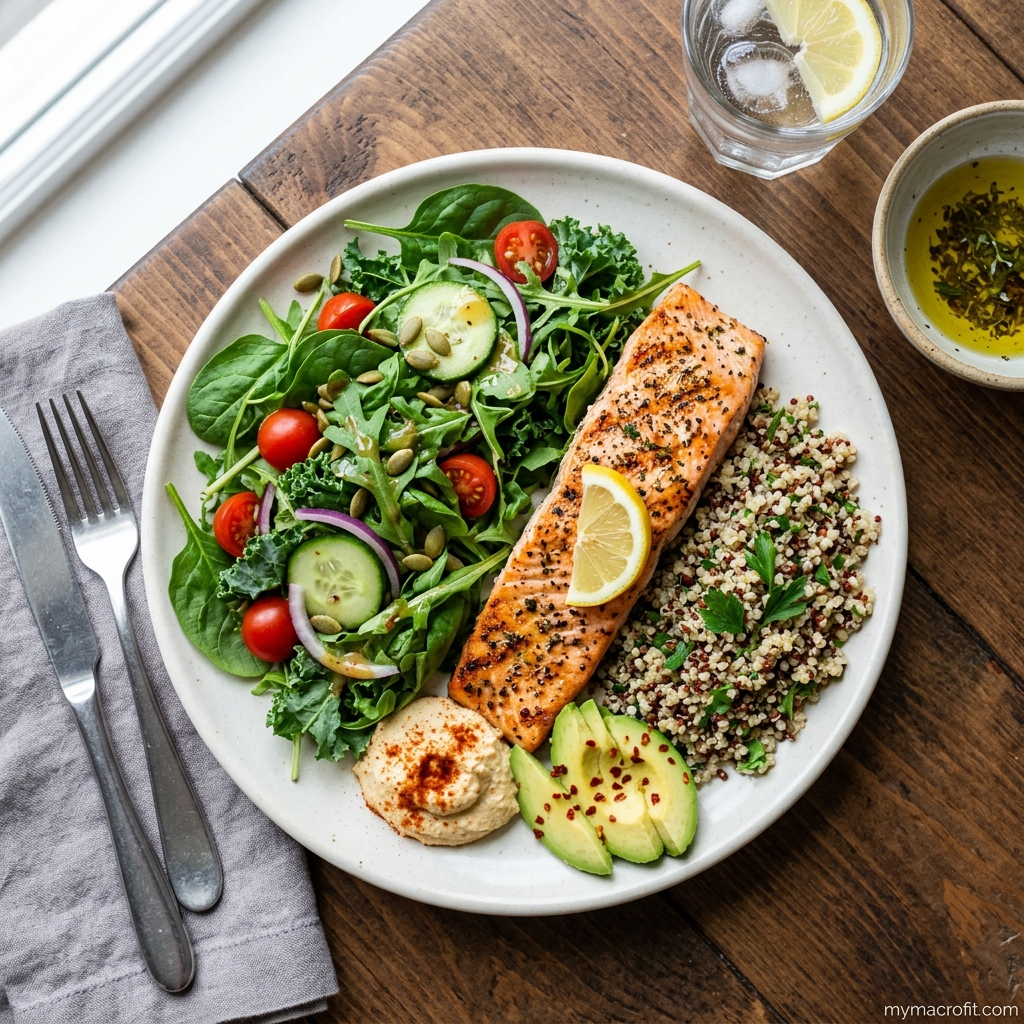
2. Protein, high and consistent. Aim for around 1.8-2g per kg of bodyweight. Protein preserves and builds the muscle you're training for, and it's the most filling macro, which helps with the increased appetite. It's non-negotiable here.
3. A moderate deficit, not a crash. A gentle 300-400 calorie deficit beats an aggressive one, because severe restriction spikes cortisol, counterproductive when your hormones are already volatile. Your calorie needs have genuinely dropped, so recalculating your target matters; the Menopause Calorie Calculator adjusts for the perimenopausal shift.
4. Sleep and stress as actual strategy. These aren't soft extras here. Poor sleep and high cortisol drive belly-fat storage and cravings directly, so protecting them does as much for your waist as any meal plan.
Your calorie needs have changed, recalculate them.
The free Menopause Calorie Calculator adjusts your maintenance and deficit targets for perimenopause, so you're not working from your old numbers.
Get My Adjusted Calories →Stop trusting the scale
During perimenopause the scale becomes especially unreliable. Hormonal fluctuations cause water-weight swings of a kilo or more day to day, and as you rebuild muscle while losing fat, the scale can sit flat for weeks while your body genuinely changes. Muscle is denser than fat, so you take up less space at the same weight, leaner, but no lighter on the number.
Judge progress the honest way: waist measurement, monthly progress photos, how clothes fit, and your strength in the gym. These reveal the recomposition the scale hides, and they keep you from quitting something that's working just because one number won't cooperate.
A gentle first eight weeks
If the strategy feels like a lot all at once, please don't try to overhaul everything overnight, that's the crash-and-burn pattern that makes this harder. Here's how I'd ease into it, one calm layer at a time:
| Weeks | Focus on | Why first |
|---|---|---|
| 1-2 | Add 2 strength sessions a week | The single biggest lever for your metabolism |
| 3-4 | Bring protein up to ~1.8g/kg | Feeds the muscle you're now training |
| 5-6 | Set a moderate (not harsh) deficit | Now that muscle is protected |
| 7-8 | Protect sleep and lower stress | Locks in everything above |
Layering it like this means each habit is established before the next arrives, so none of it feels like deprivation. By week eight you're doing all four, but you got there gently, which is exactly the pace a perimenopausal body responds to best.
Be patient and kind with yourself
I want to name something the diet industry rarely does: this stage is genuinely harder, and it is not your fault. Your body is going through a real hormonal transition, and the frustration you feel is valid. But frustration that turns into punishment, ever-harsher diets, exhausting cardio, self-blame, only deepens the hole, because that stress and restriction are part of what's working against you.
The women I see succeed in perimenopause are the ones who get kinder to themselves, not harsher: they nourish their bodies properly, lift weights they're proud of, sleep like it matters, and let go of the scale's daily verdict. Progress is slower than it was at twenty-five, and that's normal. Measured in months and met with patience, it absolutely comes. The number on the scale is only part of the story, and in this season, often the least important part.
The reassuring truth
Perimenopause changed the rules; it didn't end the game. The weight gain is your body responding to falling oestrogen, lost muscle, and rising stress, every one of which you can act on. Train your muscles, feed them protein, run a kind deficit, protect your sleep, and measure progress beyond the scale. Do that consistently and the weight that felt permanent reveals itself for what it actually is: stubborn, yes, but absolutely reversible. For the bigger picture, our perimenopause and weight gain guide goes deeper on the hormonal side.
Save & share on Pinterest
Click any card to pin it — or share with someone who needs it.
Is Perimenopause Weight Gain Permanent? (And How to Actually Reverse It)
Gaining weight in perimenopause and terrified it's forever? It isn't. Here's why the weight gain hap…
Gaining weight in perimenopause and terrified it's forever? It isn't. Here's why…
Read the full guide: Is Perimenopause Weight Gain Permanent? (And How to Actually Reverse It)
Try the free Menopause Calorie Calculator
Is Perimenopause Weight Gain Permanent? (And How to Actually Reverse It) — use our free calculators …
Pinterest opens in a new tab. You can edit the description before saving.
Ready to get your numbers?
Free calculator, instant results, no signup required.
Frequently Asked Questions
Is perimenopause weight gain permanent?+
Why is perimenopause weight gain so hard to lose?+
What's the best way to lose weight during perimenopause?+
How long does it take to lose perimenopause weight?+
Does muscle weigh more than fat, and does that matter in perimenopause?+
Can HRT help with perimenopause weight gain?+
Is belly fat in perimenopause dangerous, or just a cosmetic concern?+
About the Author

I'm a registered health coach and pre/postnatal specialist. I look at the whole person, your sleep, your stress, your hormones, because the number on the scale is only ever part of the story.
View full profile →