The Best Supplements for Muscle Building (Evidence-Based)

BSc Kinesiology · CPT
The muscle building supplement market is enormous, noisy, and largely ineffective. Gym culture creates the impression that a complex supplement stack is required to build muscle, this is false. The supplements with genuine evidence are few in number and relatively inexpensive.
This guide ranks every major muscle building supplement by evidence quality and provides an honest assessment of what's worth your money.
The Non-Supplement Foundation (This Comes First)
No supplement improves results if the foundations aren't in place:
Training: Progressive overload, consistently adding weight, reps, or volume over time. Without this, no supplement helps.
Protein: 1.6-2.2g/kg bodyweight daily. Protein provides the amino acid substrate for muscle protein synthesis. Without this, no supplement compensates.
Calories: You cannot build muscle in a significant calorie deficit. A modest surplus (200-300 kcal) or maintenance calories produce muscle growth when training and protein are adequate.
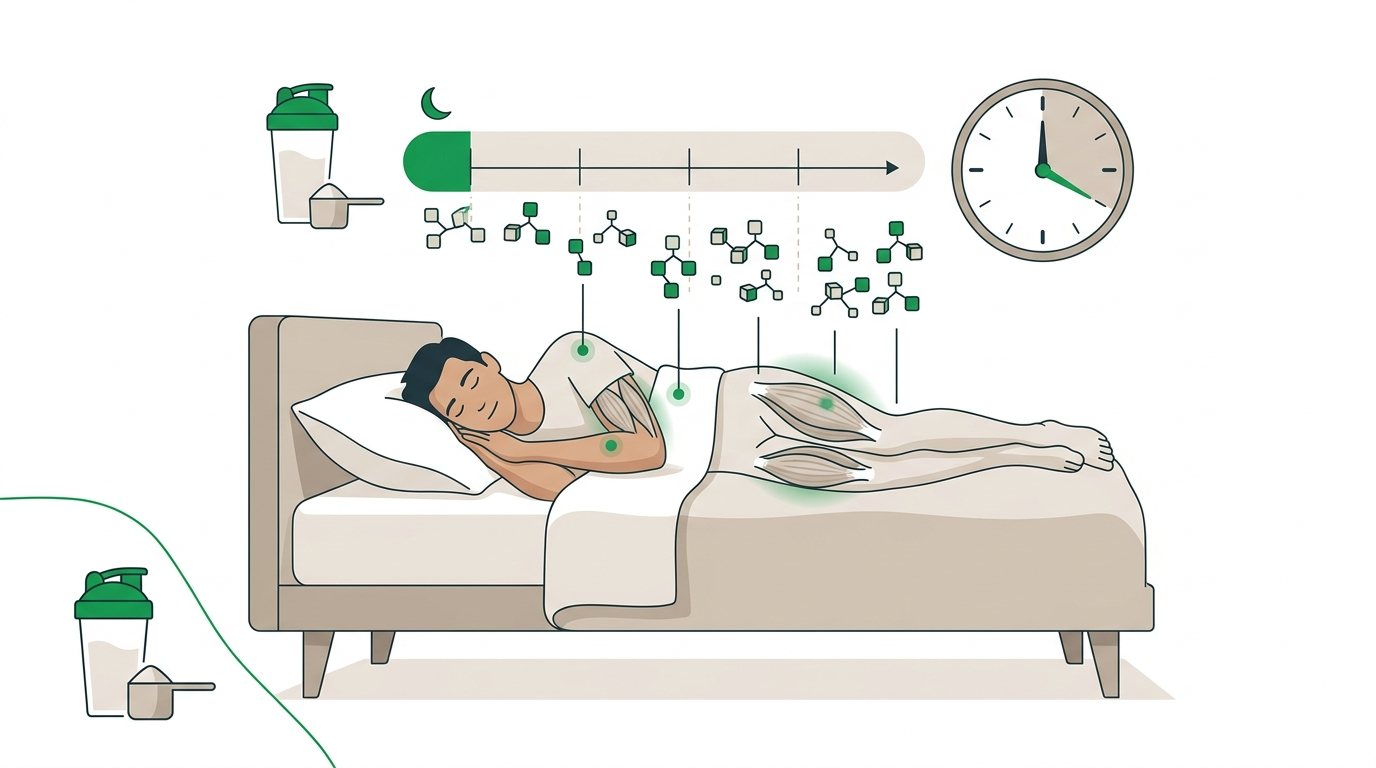
Sleep: 7-9 hours. Growth hormone peaks during deep sleep. Inadequate sleep blunts the anabolic response to training.
Supplements sit on top of this foundation. The best supplement stack produces perhaps 5-10% additional results; the foundation produces 90-95%.
The Supplement Rankings
🥇 Tier 1: Strong Evidence
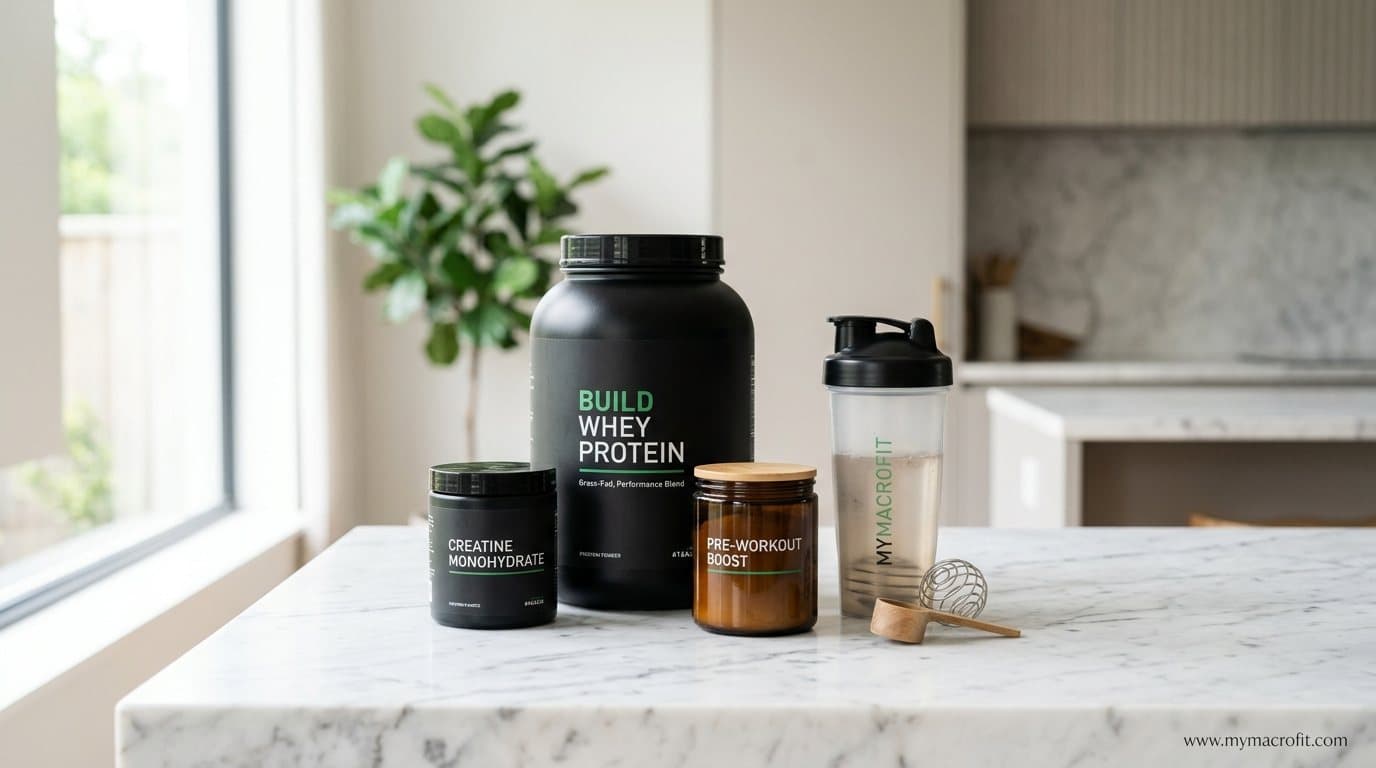
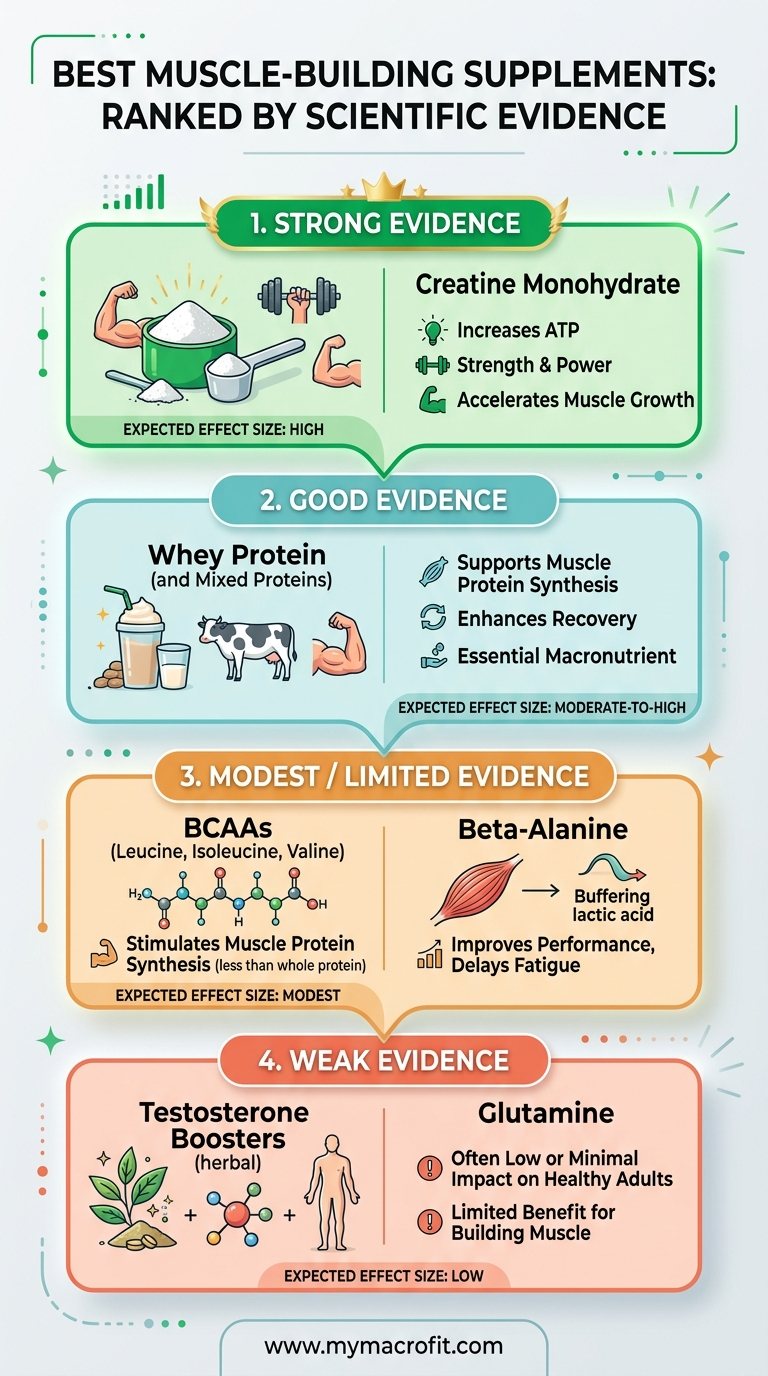
1. Creatine Monohydrate
The most evidence-supported muscle building supplement by a significant margin. 500+ peer-reviewed studies. Effect: +1-2kg additional lean mass over an 8-12 week training block vs. training without creatine.
Mechanism: increased phosphocreatine → more reps at high intensity → greater training stimulus → greater adaptation.
Dose: 3-5g daily. No loading required.
For the full creatine evidence: See our Creatine Complete Guide.
Use our Creatine Calculator for your personalised dose.
2. Protein Supplements (when dietary protein is insufficient)
Protein powder provides muscle-building amino acids, specifically leucine, which triggers muscle protein synthesis. It's food, not a magical supplement.
Most relevant for: people who struggle to hit 1.6-2.2g/kg through food alone, or as a post-workout convenience.
Not necessary if dietary protein is already adequate.
🥈 Tier 2: Good Evidence
3. Caffeine
Not usually thought of as a muscle building supplement, but caffeine's performance enhancement effect is directly relevant:
- More reps completed per session → greater training volume → greater hypertrophy stimulus
- Improved strength: +2-4% acute increase in 1RM
- Reduced perceived exertion → ability to push harder
Effect on muscle building: indirect but real, better sessions consistently produce more hypertrophy.
4. Beta-Alanine
Reduces fatigue in the 8-20 rep range by buffering acid accumulation. Most relevant for higher-rep hypertrophy protocols.
Effect: increased training volume before fatigue → greater stimulus.
Dose: 3.2-6.4g/day (must be consistent, carnosine accumulation requires days).
5. Citrulline Malate
Reduces fatigue in multiple-set protocols. Studies show more reps completed per session with citrulline supplementation → more training volume.
Dose: 6-8g citrulline malate pre-workout.
🥉 Tier 3: Modest or Emerging Evidence
6. HMB (β-Hydroxy β-Methylbutyrate)
A metabolite of leucine. Early research was extremely promising (the original HMB studies showed remarkable muscle preservation). More recent, better-controlled research shows significantly smaller effects, most in untrained beginners.
Current consensus: HMB may preserve muscle during high-volume training or calorie deficit, with limited hypertrophy benefit for most trained individuals.
Dose: 3g/day split across meals.
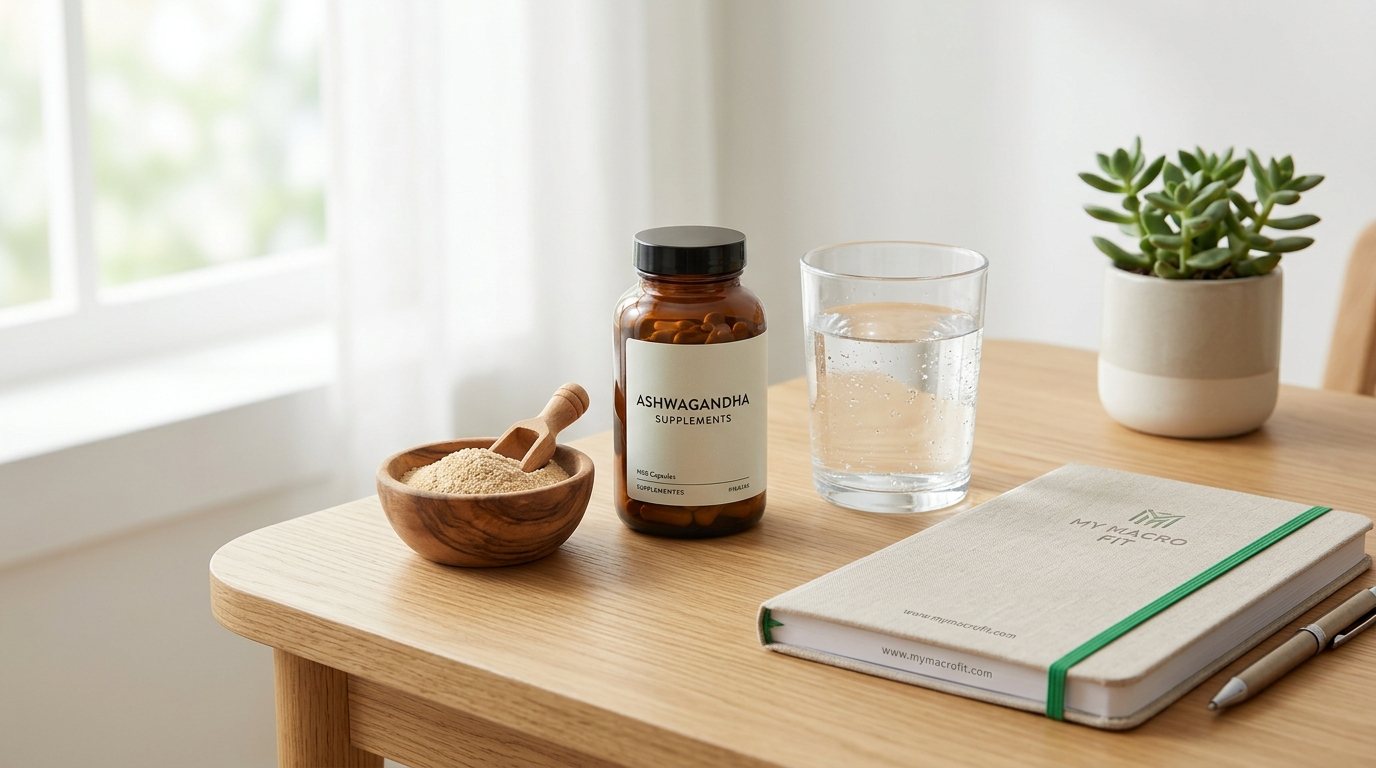
7. Ashwagandha (KSM-66)
Two RCTs show greater lean mass gains and strength improvements with ashwagandha + resistance training vs. training alone. Mechanism: testosterone increase and cortisol reduction.
Effect is modest but genuine. Dose: 300-600mg KSM-66. See our ashwagandha guide.
8. Vitamin D (for deficient individuals)
Vitamin D receptors in muscle cells regulate muscle protein synthesis and function. Deficiency is associated with reduced muscle strength and increased muscle fatigue. Supplementation in deficient individuals improves muscle function.
No additional benefit in individuals who are already sufficient.
9. Omega-3 (EPA/DHA)
A 2011 Smith et al. study showed omega-3 supplementation significantly increased the rate of muscle protein synthesis and enhanced the anabolic signalling response. Subsequent work shows modest increases in muscle hypertrophy with training when combined with adequate protein.
Dose: 2-4g EPA+DHA daily. See our omega-3 guide.
❌ What Doesn't Work (At Standard Doses)
BCAAs (if dietary protein is adequate): Redundant when complete protein is sufficient. See FAQ above.
Testosterone boosters: No evidence at OTC doses. Contains zinc and vitamin D (useful individually) plus herbs without human trial evidence at used doses.
L-glutamine: No evidence for muscle building in people eating adequate protein.
"Mass gainers" (high-calorie powders): These are food, very calorie-dense food. Not harmful, but not magically anabolic. Expensive way to consume calories that food provides more nutritiously.
Nitric oxide supplements (generic): Oral arginine doesn't raise NO effectively (use citrulline instead). Most "pump" supplements rely on underdosed citrulline and arginine ineffectively.
ZMA (Zinc + Magnesium + B6): Modestly useful for correcting zinc and magnesium deficiency. No benefit if not deficient. Far cheaper to buy zinc and magnesium glycinate separately.
The Optimal Muscle Building Supplement Stack
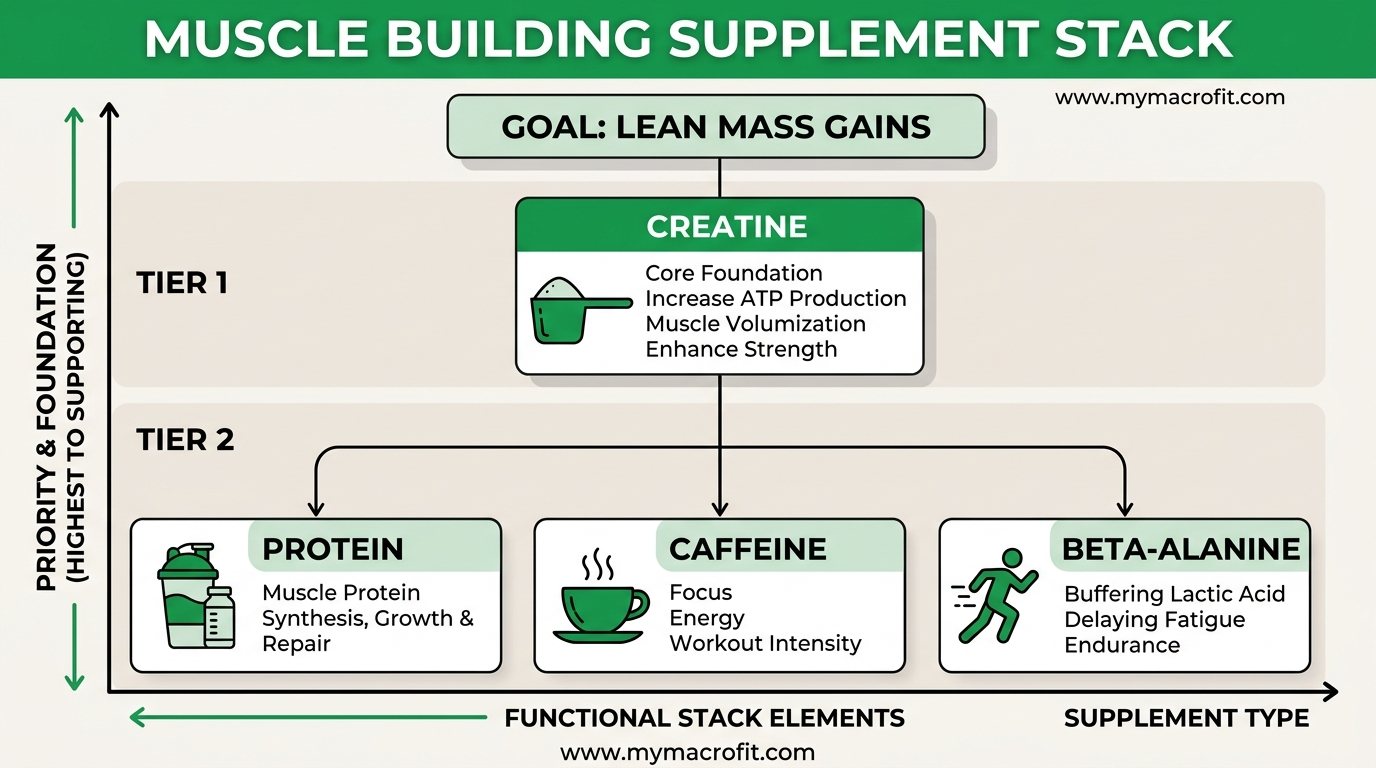
Foundation (everyone):
- Creatine monohydrate: 5g/day (daily, any time)
- Protein powder: as needed to hit 1.6-2.2g/kg protein daily
Performance enhancement (for those training consistently 3+ days/week): 3. Caffeine: 150-200mg, 30-45 min pre-workout 4. Beta-alanine: 3.2-6.4g/day (daily, not just pre-workout) 5. Citrulline malate: 6-8g pre-workout
Optimisation (correct deficiencies and support recovery): 6. Vitamin D3: 2,000 IU/day 7. Omega-3: 2-3g EPA+DHA/day 8. Magnesium glycinate: 300mg before bed
Total estimated monthly cost: £40-70 for the full stack. More effective than any commercial "muscle building stack" at 3x the price.
The Bottom Line
The honest answer: creatine plus adequate protein plus progressive overload produces 95% of the muscle-building supplement benefit available. Everything else is optimisation around the edges.
Don't spend money on supplements until your training, protein intake, sleep, and calorie management are consistently dialled in. When they are, add creatine first. Build from there.
Sources
- Dietary supplements for exercise and athletic performance, NIH Office of Dietary Supplements.
- ISSN position stand: protein and exercise, Jager et al., JISSN, 2017.
- ISSN position stand: safety and efficacy of creatine supplementation, Kreider et al., JISSN, 2017.
Save & share on Pinterest
Click any card to pin it — or share with someone who needs it.
The Best Supplements for Muscle Building (Evidence-Based)
The definitive evidence-based ranking of supplements for muscle building, what works, what the effec…
The definitive evidence-based ranking of supplements for muscle building, what w…
Read the full guide: The Best Supplements for Muscle Building (Evidence-Based)
Try the free Creatine Calculator
The Best Supplements for Muscle Building (Evidence-Based) — use our free calculators for instant per…
Pinterest opens in a new tab. You can edit the description before saving.
Ready to get your numbers?
Free calculator, instant results, no signup required.
Frequently Asked Questions
What supplements do I actually need to build muscle?+
Do BCAAs help build muscle?+
Is a testosterone booster worth taking?+
Do I need protein powder, or can I just eat more food?+
Is creatine safe to take long term?+
Will I lose my muscle gains if I stop taking supplements?+
About the Author

I'm a kinesiologist and personal trainer. I've spent eight years helping women lose fat and get stronger without handing their whole life over to a diet.
View full profile →