Protein for Women Over 40: How Much You Need and Why It's Non-Negotiable

RHC · Pre/Postnatal Fitness Specialist
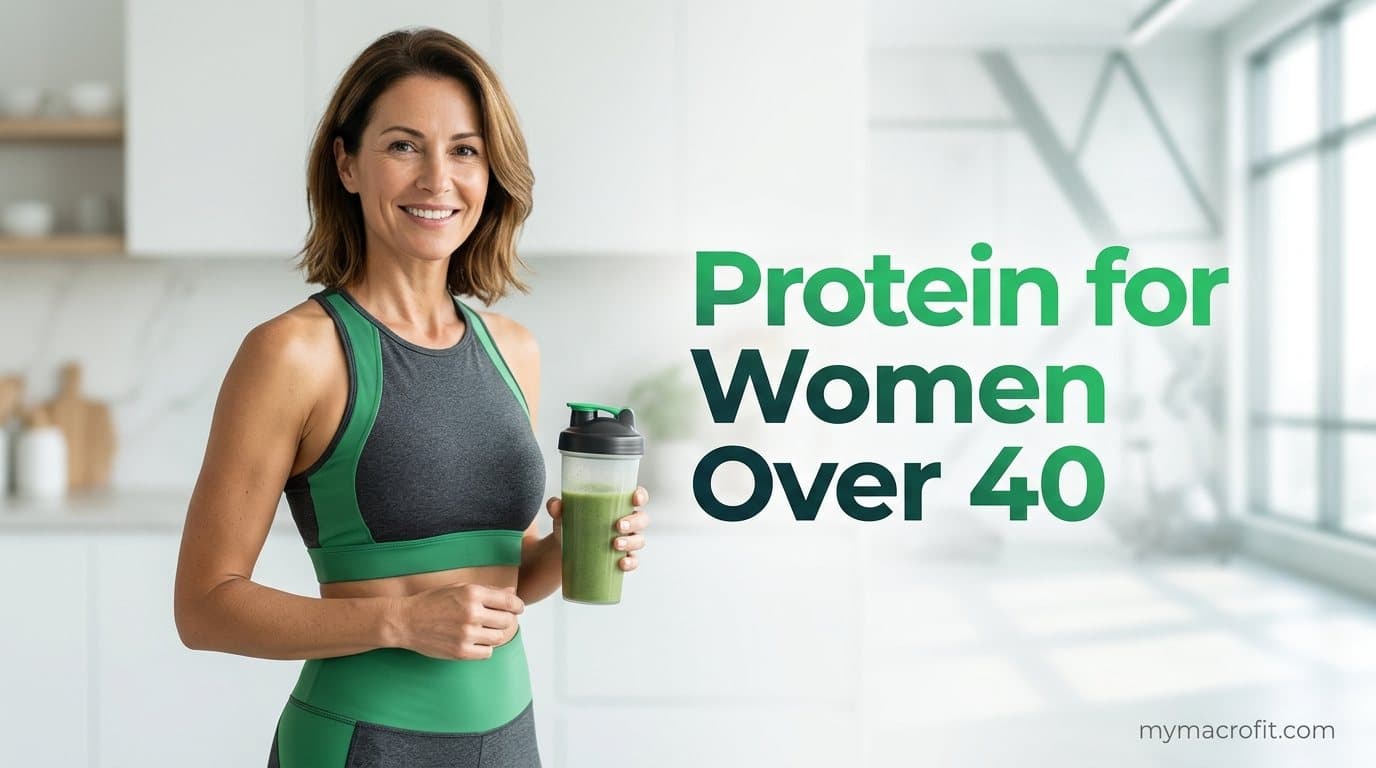
If you take one piece of nutrition advice into your 40s and 50s, make it this: eat more protein. What was a helpful habit in your 30s becomes genuinely essential after 40, because the hormonal changes of perimenopause and menopause put your muscle, bone, and metabolism under pressure, and protein is your strongest defence. Here's exactly how much you need and how to fit it into a normal day.
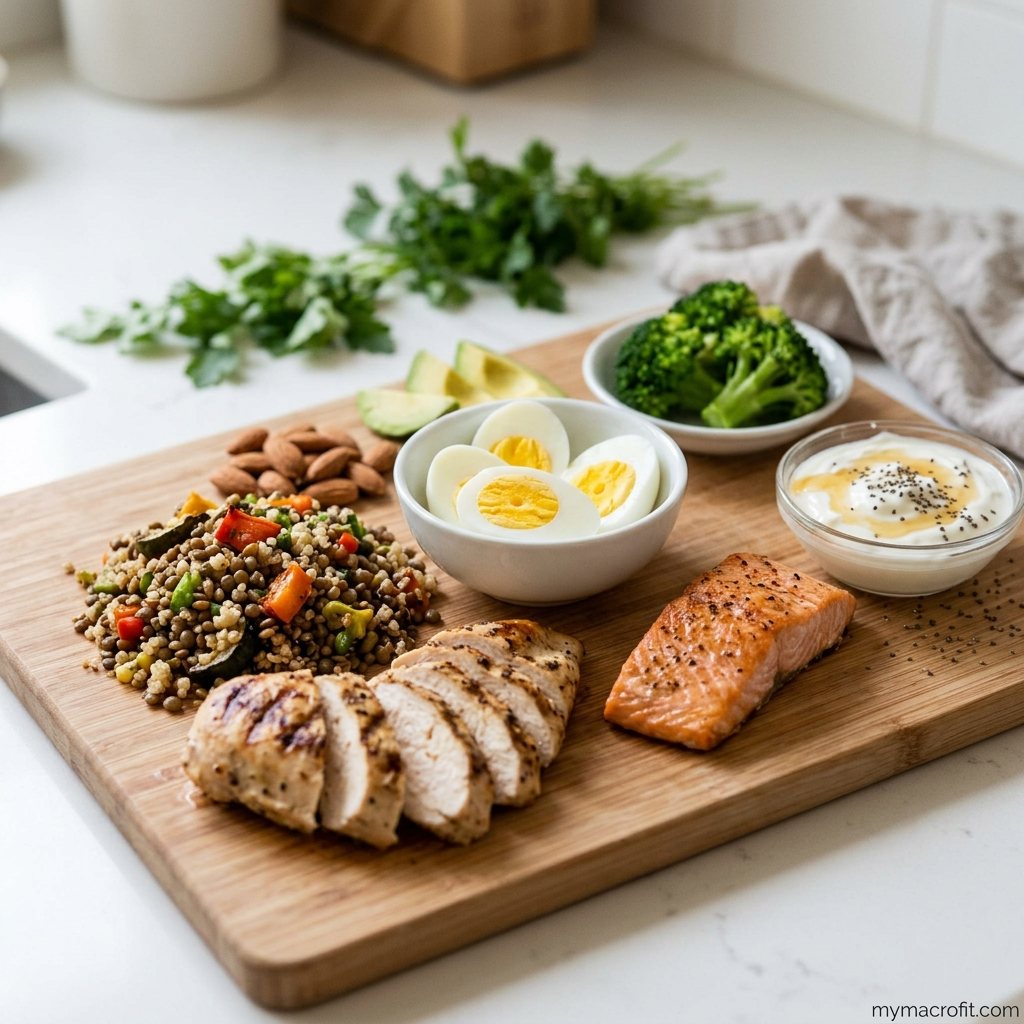
Why protein becomes essential after 40
Two age-related shifts make protein matter more:
- Accelerated muscle and bone loss. Falling oestrogen around menopause speeds up the natural loss of muscle (sarcopenia) and bone density. Muscle is what keeps you strong, toned, and metabolically healthy, losing it lowers your maintenance calories and changes your shape even at the same weight.
- Anabolic resistance. Ageing muscle responds less efficiently to protein, so you need a higher intake to get the same muscle-protective effect a younger woman gets from less.
The conclusion is simple: eat more protein, and pair it with resistance training. See the Women Over 40 hub for the full strategy.
How much you need
| Goal | Protein target | Example (70kg) |
|---|---|---|
| General health / maintenance | 1.8g per kg | ~126g |
| Fat loss or strength training | 2.0-2.2g per kg | ~140-155g |
That's higher than the basic government guideline (around 0.8g/kg), which is set to prevent deficiency, not to optimise muscle and healthy ageing. Get your personal target from the Protein Calculator.
Find your protein target.
The free Protein Calculator sets the right daily number for your weight and goal.
Calculate My Protein →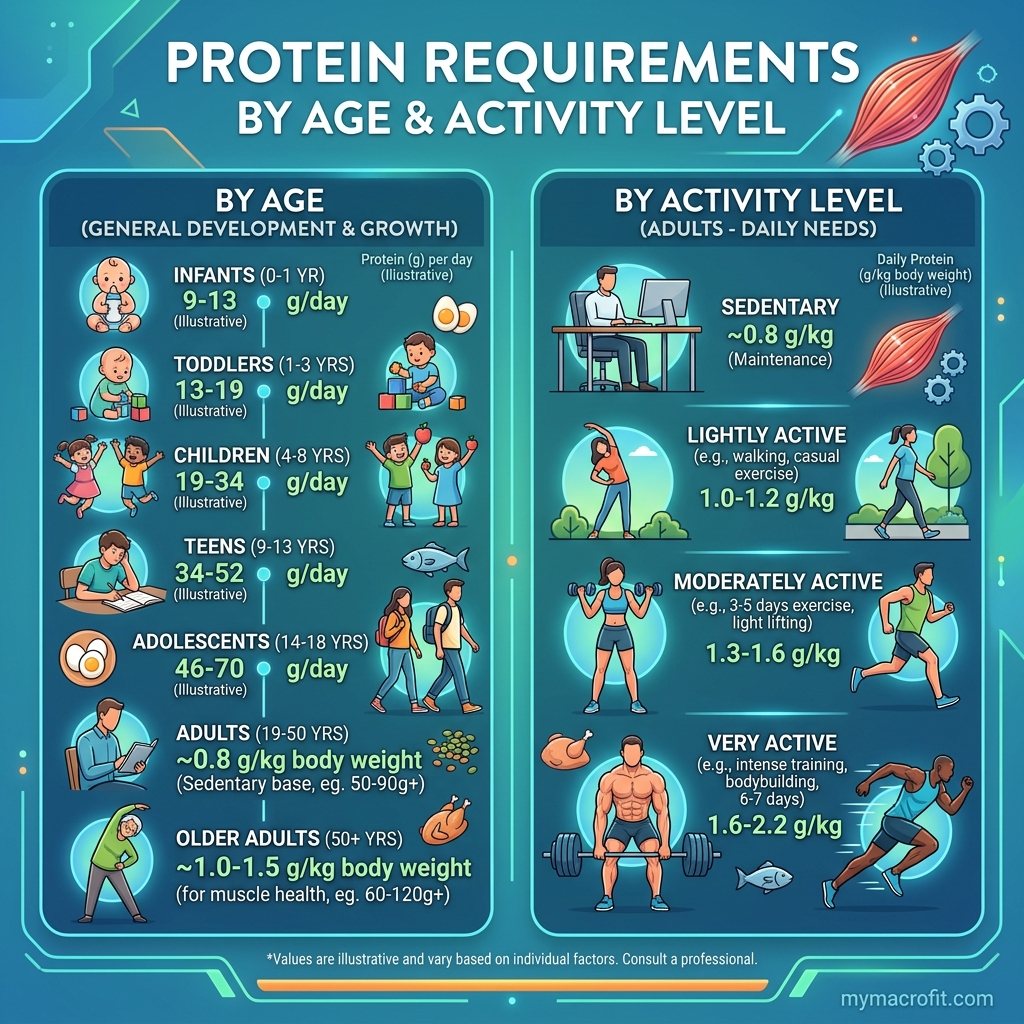
How to actually eat it
The target sounds high, but it's manageable with a simple structure, spread protein across meals rather than cramming it into one:
- Front-load breakfast. Most women eat almost no protein at breakfast. A 30g+ start (eggs, Greek yogurt, or a shake) changes the whole day. The 120g and 150g protein meal plans show full days.
- Anchor every meal with a palm of protein. Lunch and dinner each built around a protein source covers most of your target.
- Use dairy and soy. Greek yogurt, cottage cheese, tofu, and edamame are protein-dense and support bone and muscle.
- Keep a shake on hand. A scoop of whey is an effortless 25g for busy days.
Aim for 25-40g per meal, spreading it out is more effective for ageing muscle than one big serving.
What a protein-rich day actually looks like
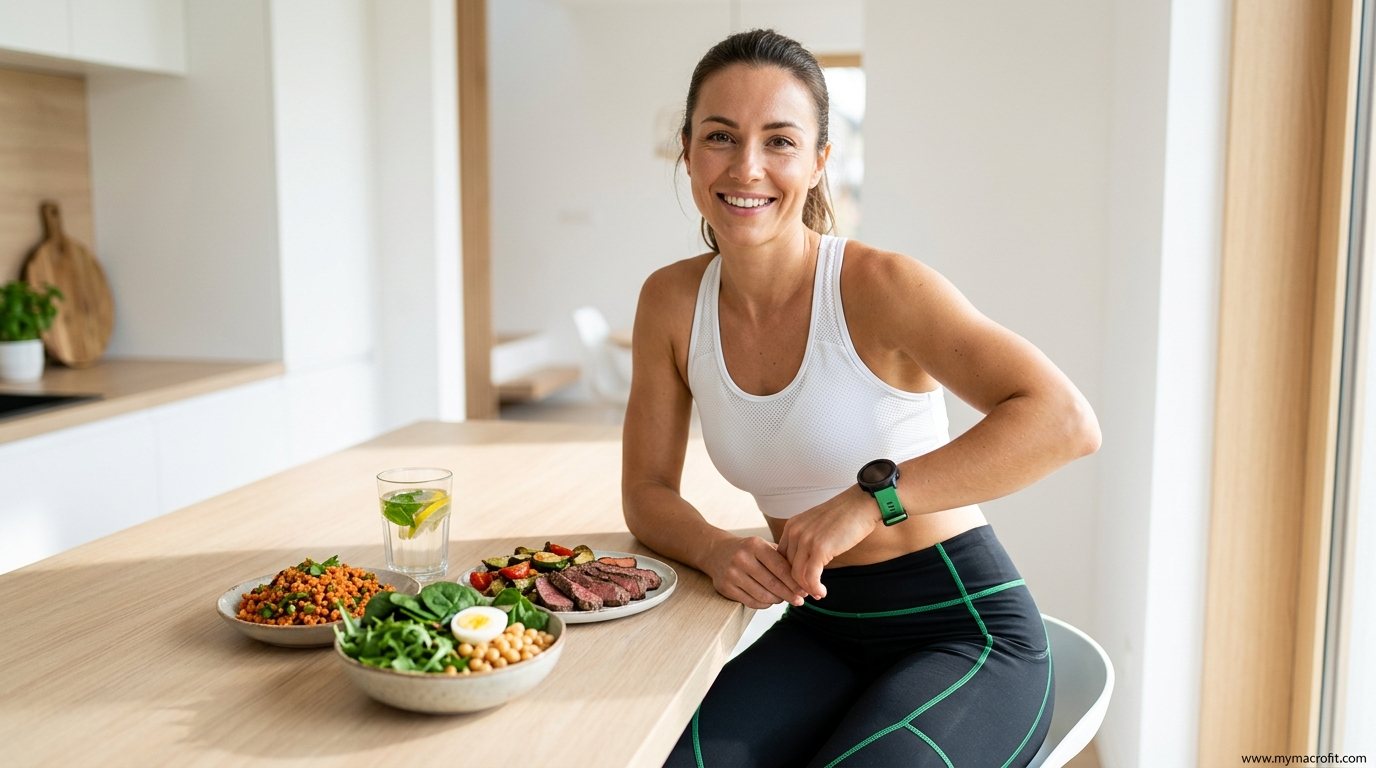
The numbers can feel abstract, so here's a gentle, realistic day for a 70kg woman landing around 140g, nothing extreme, nothing that requires living on chicken:
| Meal | Example | Protein |
|---|---|---|
| Breakfast | Greek yogurt, berries, seeds + 2 eggs | ~32g |
| Lunch | Chicken or tofu, big salad, quinoa | ~38g |
| Snack | Cottage cheese or a small shake | ~22g |
| Dinner | Salmon or lentil dahl, veg, potatoes | ~35g |
| Through the day | Milk in coffee, a handful of edamame | ~13g |
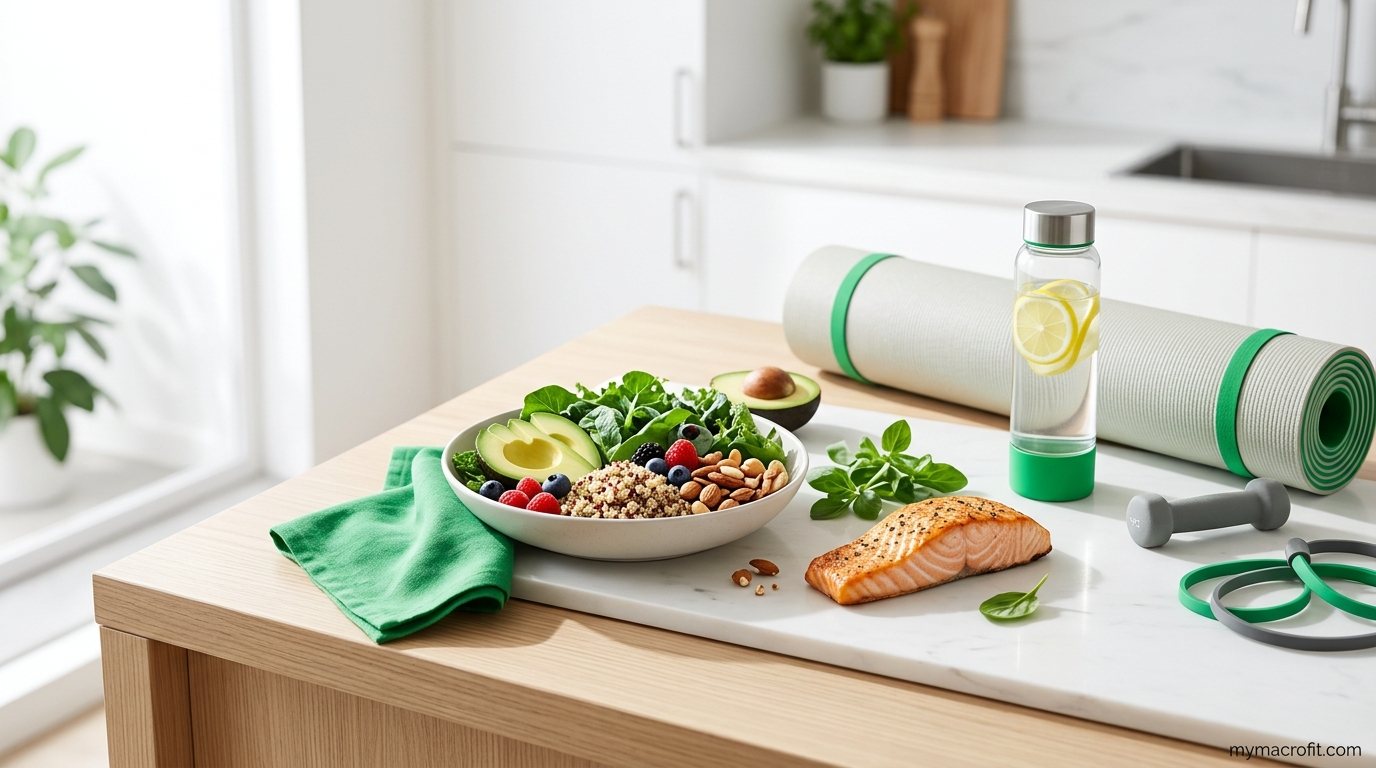
Notice how it leans on dairy, soy, fish, and legumes, foods that bring more than protein. They carry calcium for bone, omega-3s, and fibre for the gut, which is exactly the kind of whole-person nourishment this decade asks for. Hitting protein is the goal, but the foods you choose to hit it with do quiet good well beyond the number.
Why this is more than a muscle story
It's easy to frame protein purely as a muscle or weight tool, but after 40 its reach is wider. The same protein that protects muscle also protects bone (muscle pulls on bone and keeps it strong), supports recovery so you bounce back from activity rather than feeling wrecked, and steadies blood sugar and appetite so energy and mood feel less like a rollercoaster. When women tell me they feel "more like themselves" after fixing their protein, it's rarely about the scale, it's about feeling capable, steady, and strong in a body that's changing.
That's the mindset shift I'd gently encourage: you're not eating protein to chase a smaller number, you're eating it to stay strong and well for the decades ahead. The number on the scale is only part of the story.
Protein supports fat loss too
In your 40s, protein does quiet work for weight: it's the most filling macro (helping with menopausal appetite changes) and it preserves muscle in a deficit, so what you lose is fat. Pair higher protein with a moderate calorie deficit, set it with the Menopause Calorie Calculator, not a crash diet, which strips the very muscle you're trying to keep.

Begin with breakfast
After 40, protein moves from optional to essential: 1.8-2.2g per kg, spread across meals, with resistance training as its partner. It protects your muscle, bone, metabolism, and appetite through the hormonal changes of this decade. Start by getting your number from the Protein Calculator, then build it into your day with the macros for women over 40 framework.
If the whole target feels like a lot, don't try to fix every meal at once. Just bring your breakfast up to 30g of protein and hold it there for a couple of weeks. It's the meal most women under-eat, and getting it right tends to steady your hunger and energy for the rest of the day on its own. One gentle, repeatable change first, then the next. Your body will thank you for the patience.
Save & share on Pinterest
Click any card to pin it — or share with someone who needs it.
Protein for Women Over 40: How Much You Need and Why It's Non-Negotiable
After 40, protein goes from helpful to essential, it protects muscle, bone, and metabolism through p…
After 40, protein goes from helpful to essential, it protects muscle, bone, and …
Read the full guide: Protein for Women Over 40: How Much You Need and Why It's Non-Negotiable
Try the free Protein Calculator
Protein for Women Over 40: How Much You Need and Why It's Non-Negotiable — use our free calculators …
Pinterest opens in a new tab. You can edit the description before saving.
Ready to get your numbers?
Free calculator, instant results, no signup required.
Frequently Asked Questions
How much protein should a woman over 40 eat per day?+
Why is protein so important after 40?+
Will eating more protein help me lose weight after 40?+
What are the best protein sources for women over 40?+
Is too much protein bad for women over 40?+
Does protein help with menopause symptoms beyond weight?+
I'm not very hungry in the morning, how do I still get protein in?+
About the Author

I'm a registered health coach and pre/postnatal specialist. I look at the whole person, your sleep, your stress, your hormones, because the number on the scale is only ever part of the story.
View full profile →