150g Protein Meal Plan: A Full Day to Build Muscle and Stay Full

BSc Kinesiology · CPT
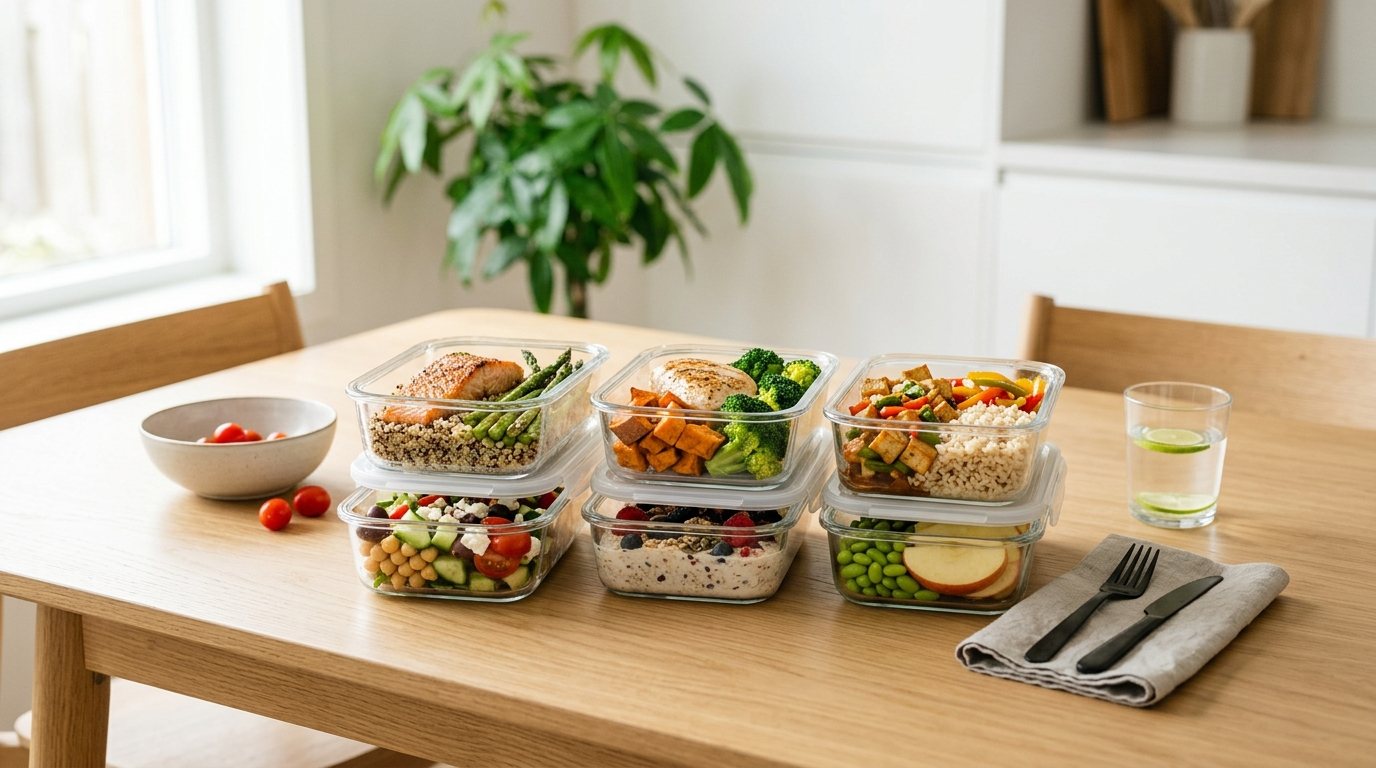
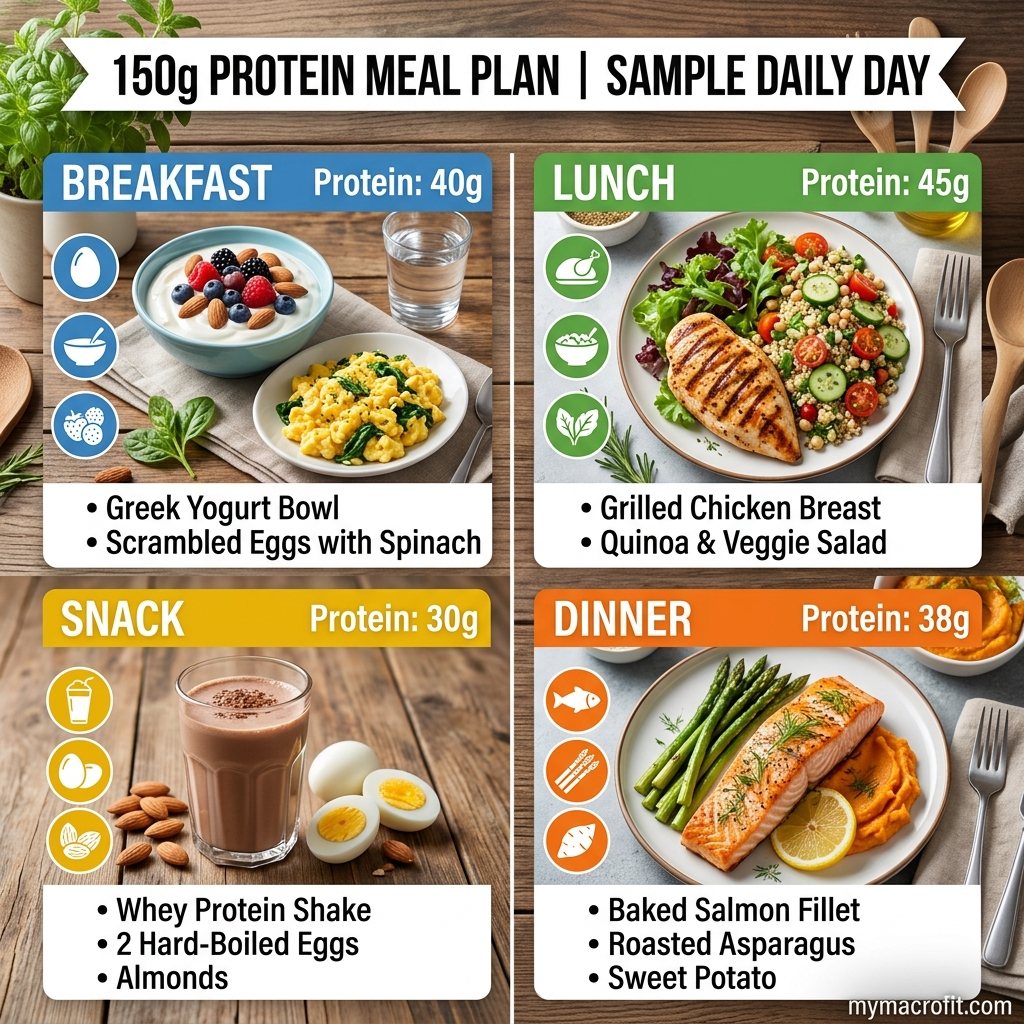
When fat loss gets serious or muscle gain is the goal, protein needs step up, and 150g a day is a target a lot of active people land on. It sounds like a lot until you see it laid out: four well-built meals and it's done. Here's a full, realistic 150g protein day, who it's for, and the simple tricks to hit it without eating plain chicken out of a tub.
Who 150g of protein suits
150g per day fits someone roughly 70-95kg who is building muscle or running a serious fat-loss phase while training hard, landing in the 1.6-2.2g per kg range. It's a common figure for active men and muscular women. If you're smaller or lightly active, 120g may suit you better. Confirm with the Protein Calculator.
The full 150g day
Hit it by anchoring every meal with a generous protein and adding one shake:
| Meal | Food | Protein |
|---|---|---|
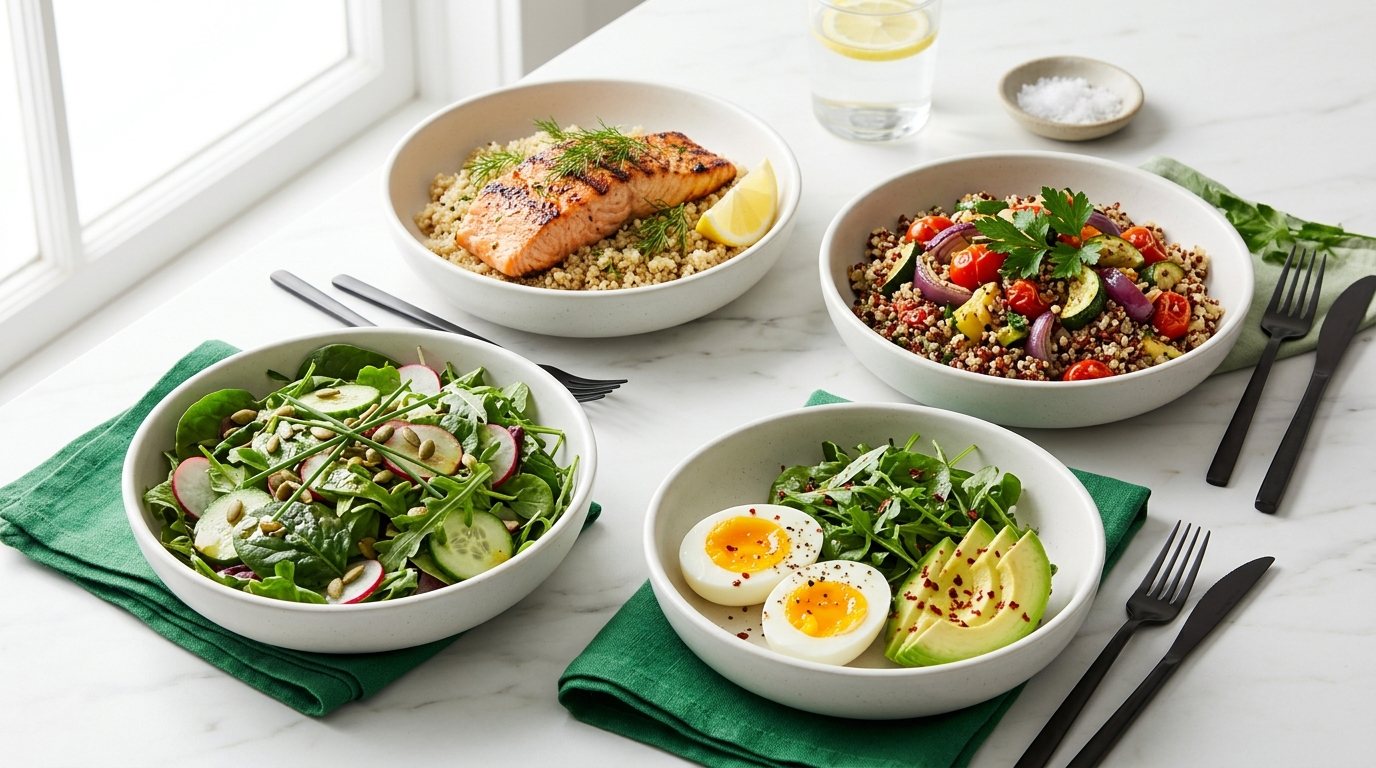
| Breakfast | 4-egg scramble + 100g smoked salmon | 40g |
| Lunch | 180g grilled chicken, veg, rice | 50g |
| Snack | Protein shake (1 scoop) + Greek yogurt | 35g |
| Dinner | Lean steak or tofu, potatoes, greens | 38g |
| Total | ~163g |
Slightly over 150g, with room to trim the snack if needed. Four feeds, each protein-anchored, no grazing on chicken all day required.
Is 150g your number?
The free Protein Calculator sets your personal daily target from your weight and goal.
Calculate My Protein →Tricks to hit 150g without the chore
- Use one or two shakes. A scoop of whey adds 25g in seconds, the easiest 25g you'll ever eat.
- Front-load breakfast. Most people under-eat protein in the morning; a 40g breakfast (eggs + salmon, or proffee) banks a huge chunk early.
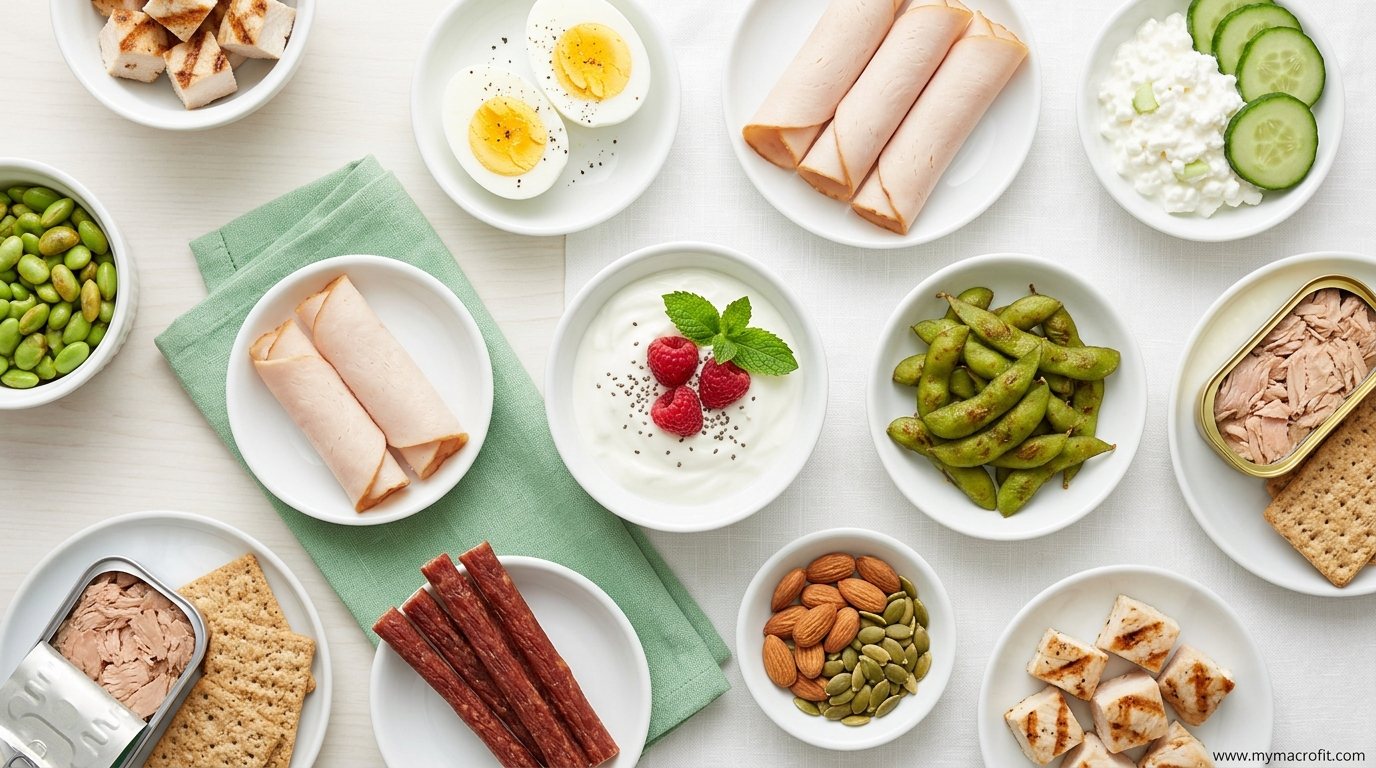
- Double up dairy. Greek yogurt and cottage cheese are protein-dense, cheap, and easy snacks.
- Go bigger at meals. A two-palm protein portion at lunch and dinner does most of the work.
120g, 150g, or 180g? Picking your number
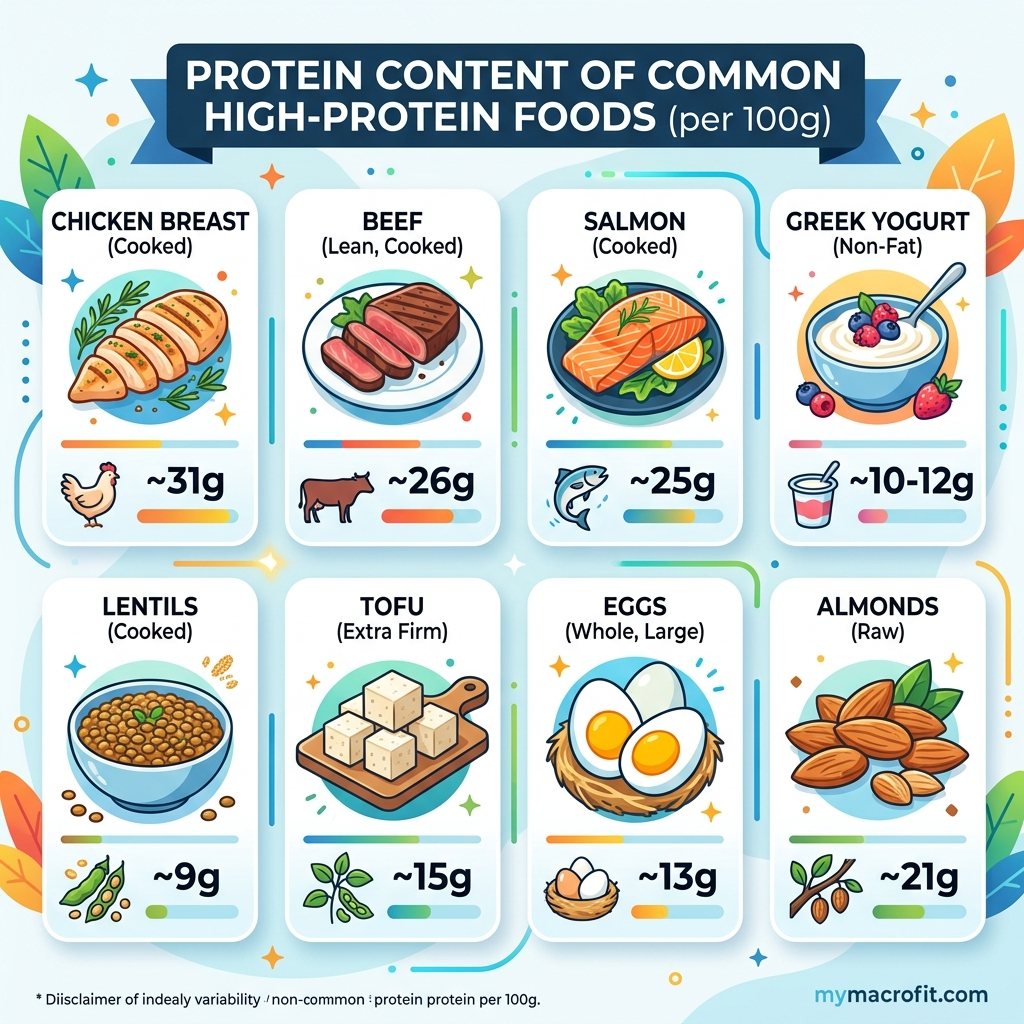
150g isn't a magic figure, it's just where a lot of active people in the 70-95kg range land. Use this to sanity-check whether you should be aiming higher or lower:
| Daily protein | Roughly suits | Best for |
|---|---|---|
| 120g | 55-75kg, lighter training | General health, gentle fat loss |
| 150g | 70-95kg, training 3-5x/week | Muscle gain, serious cut |
| 180g+ | 90kg+, or muscular and lean | Hard bulking, advanced lifters |
Notice the overlap. An 80kg person could reasonably sit anywhere from 130g to 175g depending on how lean they want to get and how hard they train. If you're cutting and worried about losing muscle, drift toward the top of your range, that extra protein is the cheapest insurance you'll buy. The protein intake guide explains the per-kilo logic in full.
Spread it out, don't save it all for dinner
If muscle is the goal, when you eat your protein earns you a small bonus. Each meal of roughly 30-45g triggers a fresh round of muscle protein synthesis, so four spread-out feeds give you more total stimulus than two big ones. The classic mistake is a coffee-only morning followed by a 70g protein dinner, you hit the total but waste half the muscle-building signal.
A practical target: at least 30g at each of four feeds. The 40g breakfast in the plan above isn't a flex, it's there because breakfast is where almost everyone falls short. Get that one right and the rest of the day looks after itself.
Fit it inside your calories
150g of protein still has to live inside your calorie target. For muscle gain, set a small surplus with the Lean Bulk Calculator; for fat loss, a deficit with the Calorie Deficit Calculator. Then let the Macro Calculator balance the rest with carbs and fats. Protein supports the goal; calories decide the direction.
Meat-free? Still doable
You can reach 150g without meat by leaning on tofu, tempeh, edamame, eggs, Greek yogurt, cottage cheese, lentils, and a shake or two. Plant proteins are a little less concentrated, so dairy, soy, and supplements do the heavy lifting, the plant-based protein guide maps it out.
Make the number boring
150g of protein a day is very doable: four protein-anchored meals and a shake. It's a strong target for building muscle or holding muscle through a tougher cut. Confirm it's right for you with the Protein Calculator, fit it inside your calorie goal, and use shakes and dairy to make the number effortless.
The lifters who hit 150g consistently aren't the ones with the most willpower, they're the ones who made it boring. They eat the same high-protein breakfast most mornings, keep yogurt and a tub of whey on hand, and default to a two-palm protein at dinner. Build two or three reliable meals you actually like, lean on a shake to top up, and 150g stops being a daily puzzle.
Save & share on Pinterest
Click any card to pin it — or share with someone who needs it.
150g Protein Meal Plan: A Full Day to Build Muscle and Stay Full
A realistic 150g protein day for muscle gain and serious fat loss, who it's for, a full meal-by-meal…
A realistic 150g protein day for muscle gain and serious fat loss, who it's for,…
Read the full guide: 150g Protein Meal Plan: A Full Day to Build Muscle and Stay Full
Try the free Protein Calculator
150g Protein Meal Plan: A Full Day to Build Muscle and Stay Full — use our free calculators for inst…
Pinterest opens in a new tab. You can edit the description before saving.
Ready to get your numbers?
Free calculator, instant results, no signup required.
Frequently Asked Questions
Who needs 150g of protein a day?+
How do I eat 150g of protein in a day?+
Is 150g of protein enough to build muscle?+
Can I hit 150g of protein without meat?+
Is 150g of protein too much in one day?+
Does it matter how I split 150g across the day?+
About the Author

I'm a kinesiologist and personal trainer. I've spent eight years helping women lose fat and get stronger without handing their whole life over to a diet.
View full profile →