Bodyweight Strength Training: Build Real Strength at Home, No Equipment
Kinesiotherapist · Pilates Coach
People assume that building strength means a gym full of equipment. It does not. Your own bodyweight is a complete, capable resistance system that you carry with you everywhere, and used well it builds genuine strength, muscle, and confidence. I have coached people who were certain they needed machines, only to watch them get noticeably stronger with nothing but the floor and a bit of space. Your body is your only investment, and it is enough to start.
This is the foundation. From here you can branch into the specific exercises, progressions, and routines, all linked through this guide.
Why bodyweight training actually works
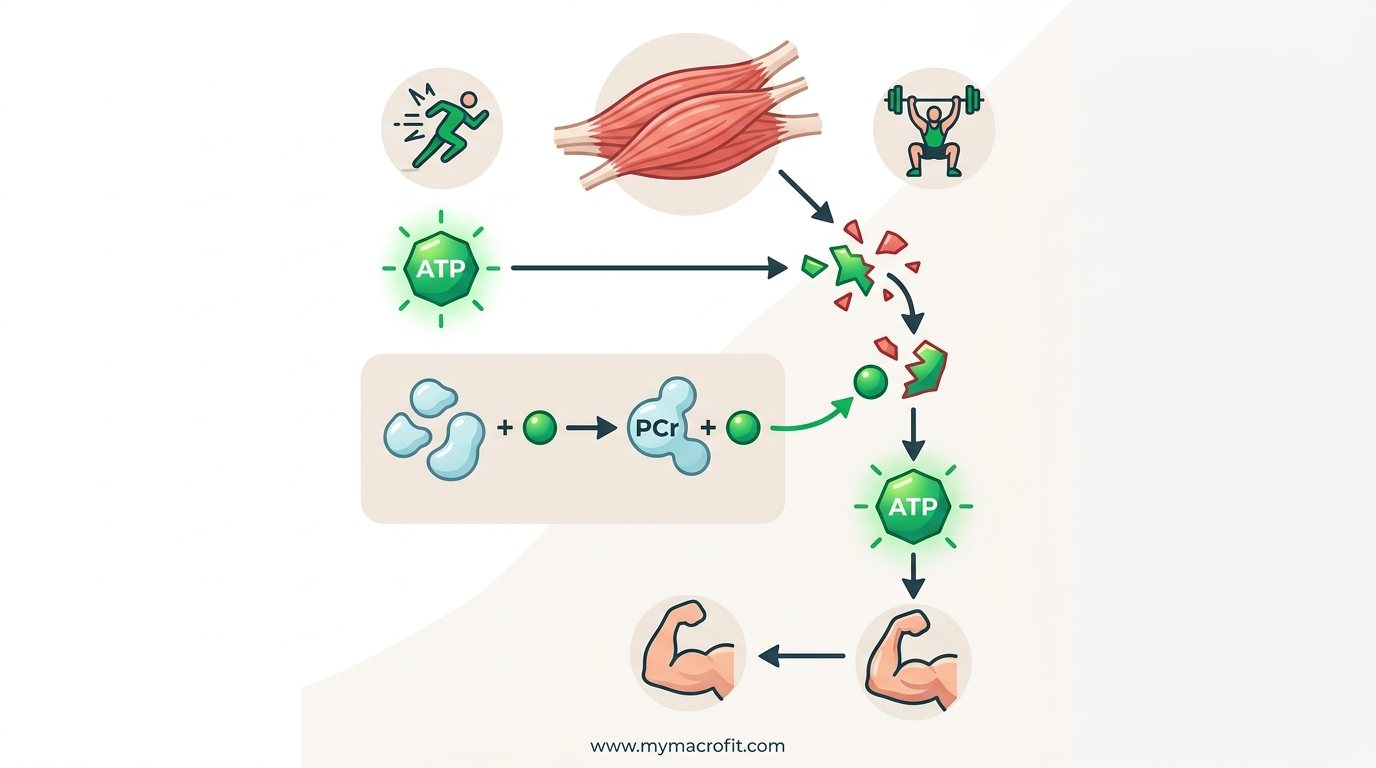
Your muscles respond to two things: how hard they work, and how close to fatigue you take them. They have no idea whether the resistance comes from a barbell or from your own bodyweight. Give a muscle a challenging effort, repeated regularly, with enough recovery and protein in between, and it gets stronger. That principle does not care about your equipment.
What surprises people is how high the ceiling is. The lower body, the core, and the pushing muscles in particular respond beautifully to bodyweight work. Most people have months, sometimes years, of real progress available before equipment becomes the limiting factor.
The movements that cover your whole body
A complete bodyweight routine only needs a handful of movement patterns. Master these and you have trained everything that matters:
- Push: push-ups and their many variations build the chest, shoulders, and triceps.
- Squat: bodyweight squats, split squats, and step-ups build the legs and glutes.
- Hinge: glute bridges and single-leg variations build the back of the body.
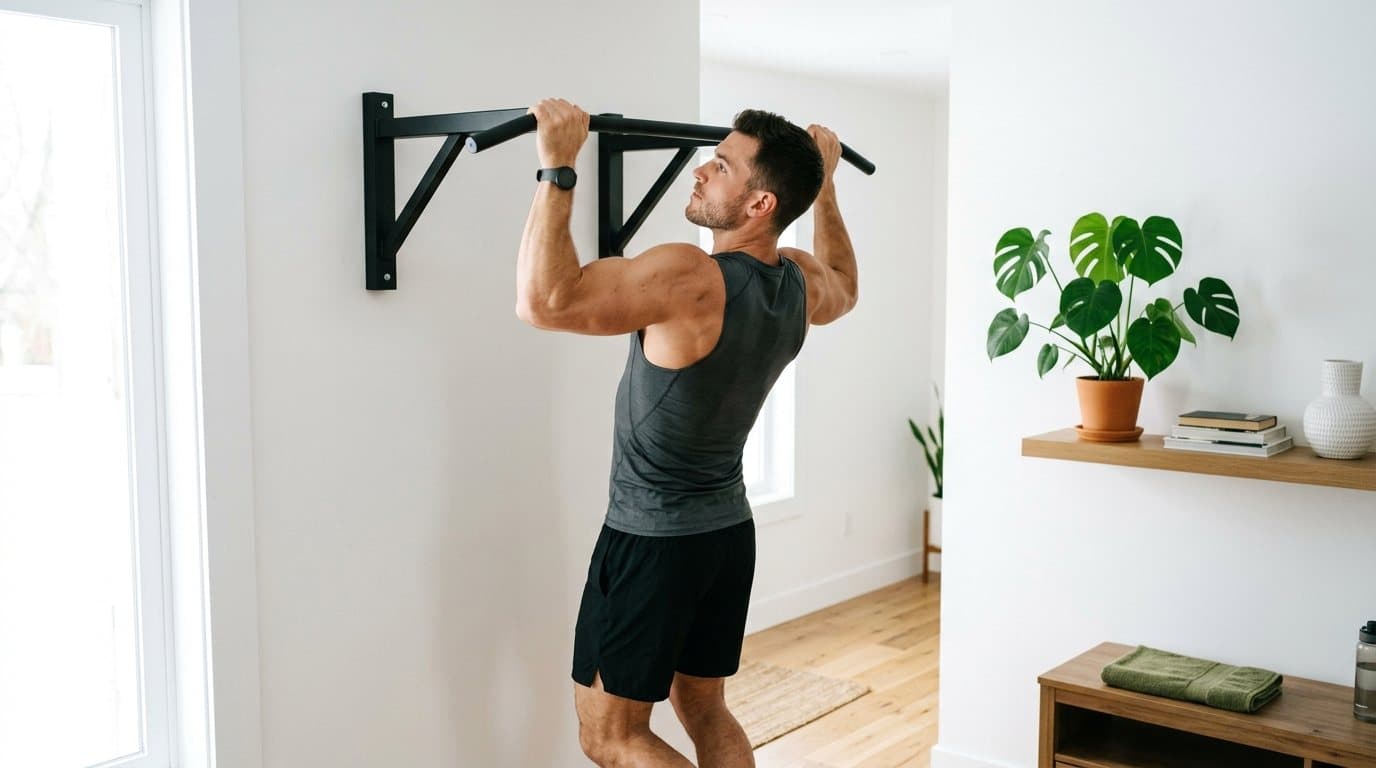
- Pull: rows under a sturdy table or using a towel, or pull-ups if you have a bar.
- Core: planks, dead bugs, and slow controlled movements that resist motion.
I break the best of these down in the best bodyweight exercises. Together they cover your entire body without a single weight.
How to progress without adding weight
This is the part most people get wrong. They do the same easy push-ups for months and wonder why nothing changes. Strength comes from progressive challenge, and with bodyweight you create that by making the movement harder, not heavier.
You have several levers:
- Slow the tempo. Lower for three or four seconds. This alone transforms an easy exercise.
- Pause at the hardest point. Hold the bottom of a squat or push-up for a breath or two.
- Move to a harder variation. Knee push-up to full push-up to feet-elevated to single-arm, over time.
- Reduce your base of support. A single-leg version is far harder than two.
- Increase your range of motion. Go deeper, with control.
The full method for the most important pattern is in push-up progression. The principle is simple: make the same muscle work harder, and it has no choice but to adapt.
Build your week
Three to four sessions a week is the sweet spot for most people, with at least a day between hard sessions for the same muscles. Recovery is not wasted time, it is when your body actually rebuilds itself stronger, which is why I am so protective of rest days.
A simple structure:
- Two or three rounds of a push, a squat, a hinge, a pull, and a core movement.
- Take each hard set close to the point where your form would start to break.
- Rest a minute or two between rounds.
- Progress one variable each week, whether that is tempo, reps, or a harder variation.
For dedicated leg sessions, the no-equipment leg workout gives you a full lower-body routine.
Don't forget the material
Training is the signal to build. Protein is the material your body builds with. Without enough of it, even perfect training stalls. Aim for roughly 1.6 to 2.2 grams of protein per kilogram of bodyweight per day, and check your number with the Protein Calculator. Eat enough, train hard, recover well, and your body will adapt.
A simple week to start
To turn the principles into something you can actually follow, here is a gentle starting week. Adjust the days to your life, the structure matters more than the exact calendar.
| Day | Focus |
|---|---|
| Monday | Full body: push, squat, hinge, pull, core |
| Tuesday | Rest or easy mobility / a walk |
| Wednesday | Full body, varying the variations |
| Thursday | Rest or mobility |
| Friday | Full body, push a little harder |
| Weekend | One optional session + rest |
Three full-body sessions, rest between them, and one progression each week, that is genuinely enough to get strong. Resist the urge to do more, sooner. The people who succeed at home are not the ones who train hardest for two weeks, they are the ones who keep this rhythm going for months.
The one mistake that stalls home training
If I could prevent a single error, it would be this: doing the same easy version forever. The most common reason people decide "bodyweight training doesn't work" is that they did identical, comfortable push-ups and squats for months and nothing changed, because nothing got harder. Your body adapts to a challenge and then has no reason to keep adapting unless you raise it.
So treat progression as the whole job. Each week, nudge one thing: a slower tempo, a pause, a harder variation, a deeper range, one more rep before form slips. It does not need to be dramatic, just a steady upward drift in difficulty. Get that one habit right, progressing on purpose, and bodyweight training keeps delivering long after the point most people assume they have outgrown it.
Bodyweight or weights?
You may be wondering whether you will eventually outgrow this. For a fuller answer, see bodyweight versus weights, but the short version is that both build strength, and the best one is the one you will actually do consistently. For most people, the convenience of training at home with no barriers is exactly what makes them consistent.
Start where you are
You do not need a gym, equipment, or permission. You need your body, a little space, and the patience to make each movement gradually harder over the weeks. Move with control, respect your recovery, eat enough protein, and let consistency do the work. Your body is the only investment you need, and it is ready whenever you are.
Save & share on Pinterest
Click any card to pin it — or share with someone who needs it.
Bodyweight Strength Training: Build Real Strength at Home, No Equipment
You can build genuine strength with nothing but your own bodyweight. Here is how to train properly a…
You can build genuine strength with nothing but your own bodyweight. Here is how…
Read the full guide: Bodyweight Strength Training: Build Real Strength at Home, No Equipment
Free fitness tools
Bodyweight Strength Training: Build Real Strength at Home, No Equipment — use our free calculators f…
Pinterest opens in a new tab. You can edit the description before saving.
Frequently Asked Questions
Can you build real strength with just bodyweight?+
How do you make bodyweight exercises harder without weights?+
Is bodyweight training enough to build muscle?+
How often should I do bodyweight strength training?+
Do I need protein to build muscle with bodyweight training?+
How long until I see results from bodyweight training?+
About the Author
I'm a kinesiotherapist and Pilates coach. I help people move well and get strong without breaking down, from fixing a stiff back to building real strength using nothing but their own bodyweight.
View full profile →